Mini Split Installation in Newark, CA
Mini split installation in Newark, CA delivers precise zoning, year‑round comfort, and energy efficiency without extensive ductwork. Our service guide outlines the end‑to‑end installation process, common Newark-specific considerations, and practical maintenance and rebate options. We cover on-site load calculations, optimal unit placement, refrigerant and electrical work, timeline expectations, and preparation tips for homeowners. By following professional sizing, coordinating permits, and performing routine upkeep, you gain reliable performance, better indoor air quality, and long‑term cost savings for Newark residences.
%2520(5)-min%2520(1).jpeg)
Mini Split Installation in Newark, CA
Installing a ductless mini split is one of the most effective ways to add efficient, targeted heating and cooling to Newark, CA homes. Whether you need cooling for hot summer afternoons inland from the Bay or supplemental heat during cooler months, a professionally planned and executed mini split installation delivers comfort, lower energy use, and flexible zone control. This page explains the end-to-end installation process for mini split systems in Newark, CA, common issues homeowners encounter, what to expect during each phase, and practical maintenance and rebate considerations specific to the area.
Why Newark, CA homeowners choose mini split systems
- Newark’s climate features warm summers and mild winters, making ductless systems ideal for year-round comfort without the energy losses of ductwork.
- Many older Bay Area homes lack existing ducts or have restrictive layouts; mini splits provide zoned comfort with minimal disruption.
- Local emphasis on energy efficiency and electrification makes heat-pump-based mini splits an attractive option for reducing fossil fuel use and lowering utility bills.
Common mini split installation types and issues in Newark, CA
- Single-zone wall-mounted systems for living rooms or master suites.
- Multi-zone systems serving several bedrooms, living areas, or a converted garage.
- Ceiling cassette or low-profile units for rooms where wall space or aesthetics are a concern.
- Common issues that prompt installation or replacement:
- Inefficient or aging window units and space heaters.
- Uneven temperatures across rooms in split-level and retrofit homes.
- Ductwork constraints or high duct losses in older homes.
- Need for supplemental heating during cooler Bay Area evenings.
Initial consultation and load calculation
A reliable installation begins with an on-site consultation and a Manual J load calculation. This step determines the correct system capacity by considering:
- Square footage and room-by-room layout.
- Insulation levels, window type, orientation, and shading (important with Newark sun exposure).
- Occupancy, internal heat gains, and desired temperature ranges.
- Local climate factors such as typical summer peak temperatures and nighttime cooling patterns.
Accurate sizing avoids undersized units that struggle in heat waves or oversized equipment that short-cycles and reduces comfort and efficiency.
Unit and placement considerations
Proper placement affects performance and homeowner satisfaction:
- Indoor unit placement: Choose locations with clear airflow paths, away from direct sunlight, and accessible for filter cleaning. Bedrooms and living rooms typically receive priority.
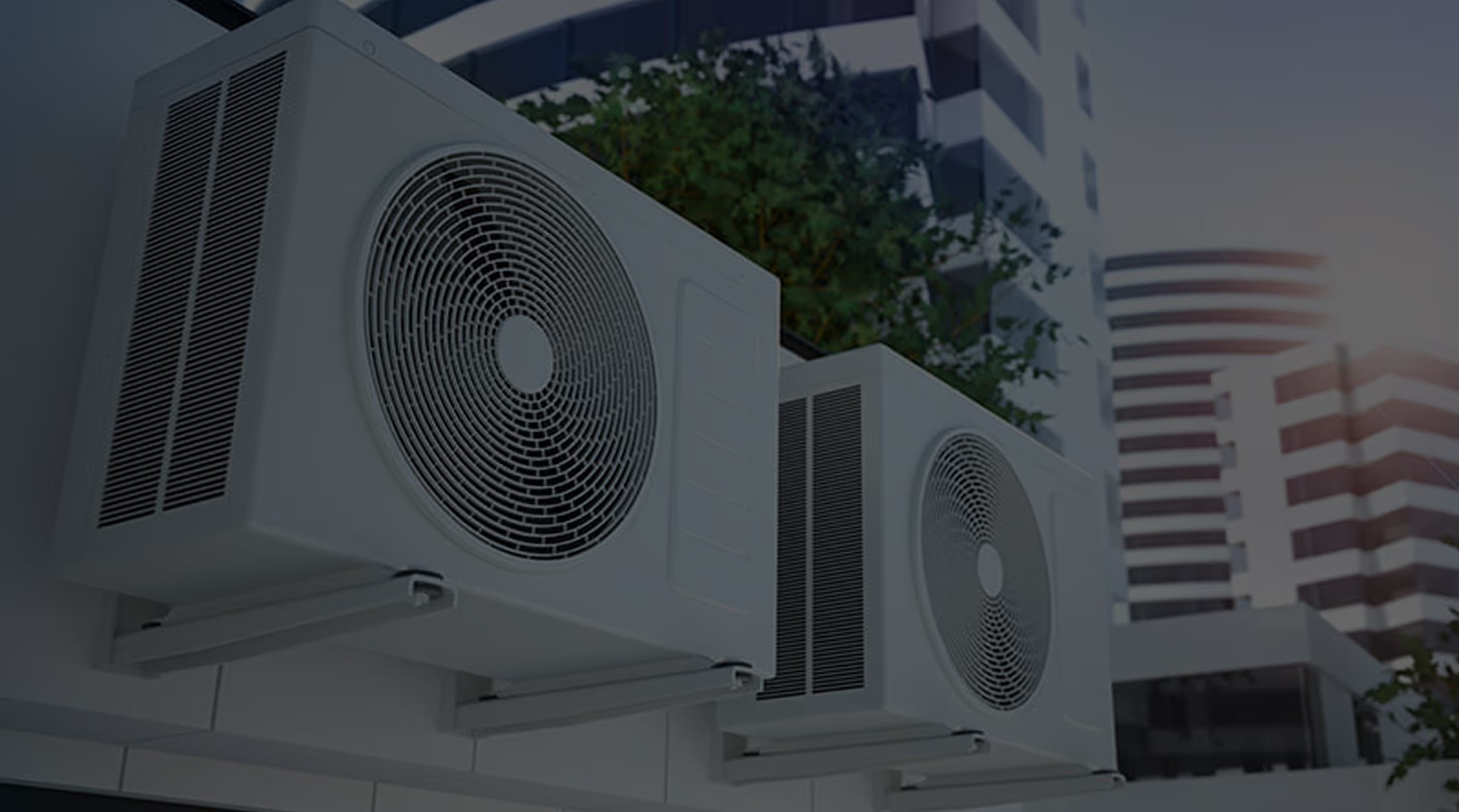
- Outdoor unit placement: Select a level, ventilated location with good airflow, away from heavy foliage and on a stable pad or wall bracket. In Newark, account for occasional high summer temperatures and ensure the condensing unit has adequate clearance for heat dissipation.
- Aesthetics and structure: For multi-zone systems, consider line run lengths and discrete placement to minimize visible conduit and maintain exterior appearance—important in neighborhoods with HOA or design guidelines.
Refrigerant line and electrical work
- Refrigerant lines, condensate drain, and control wiring are routed through small penetrations in exterior walls. Installers use insulated line sets and protective conduit to preserve appearance and prevent condensation issues.
- Electrical: A dedicated circuit is typically required for each outdoor unit. The installer verifies existing service capacity and coordinates any required electrical upgrades. Newark homes with older panels may need a service evaluation to confirm compatibility.
- Safety and code: Work follows local electrical and mechanical codes, and equipment is installed to manufacturer specifications to maintain warranties and performance.
Timeline and homeowner preparation
Typical timeline for a residential mini split installation:
- Site visit and load calculation: 1 visit, scheduled in advance.
- Permitting and material procurement: variable, often a few days to two weeks depending on permit turnaround.
- Installation day(s): Single-zone installs can often be completed in one day; multi-zone systems may require two to three days.
- Commissioning and final inspection: an additional day for testing and municipal inspection scheduling.
How homeowners can prepare:
- Clear work areas and provide access to electrical panels.
- Identify installation locations and discuss preferences with the installer.
- Expect minor drywall patching or trim work around small penetrations; larger structural work will be discussed up front.
Permit and inspection coordination
Mini split installations in Newark require permits and municipal inspections. Professional installers typically handle permit submission, coordinate inspections with the City of Newark Building Division, and ensure compliance with local codes. Coordination may also include:
- Utility notifications or rebates requiring pre-approval from local utilities.
- Electrical permit coordination if a service upgrade is needed.
Commissioning and performance testing
After physical installation, commissioning verifies system performance:
- Evacuation and refrigerant charge checks to ensure correct refrigerant levels.
- Electrical checks on connections, breakers, and safety devices.
- Airflow and temperature tests in each zone to confirm capacity and balance.
- Noise and vibration assessments for both indoor and outdoor units.
Documented commissioning ensures the system operates to design specifications and provides a baseline for warranty coverage and future maintenance.
User orientation and maintenance recommendations
Installers should provide a hands-on orientation covering:
- Thermostat and remote control operation, scheduling, and mode selection.
- Basic troubleshooting steps and filter cleaning instructions.
- Seasonal behavior of heat-pump systems and tips to maximize efficiency (e.g., using programmable schedules and maintaining consistent setpoints).
Maintenance best practices for Newark homes:
- Clean or replace filters every 1–3 months depending on use and indoor air quality.
- Annual professional tune-ups to inspect refrigerant levels, electrical components, and outdoor coil cleanliness—especially important after the dusty summer months.
- Keep outdoor units free of debris and maintain 2–3 feet of clearance for proper airflow.
Financing and rebate programs relevant to Newark, CA
Many homeowners finance installations or take advantage of rebates to reduce upfront costs. Common options include:
- Federal tax credits for qualified heat pump systems (subject to current tax law and eligibility requirements).
- State and local incentives: California and Bay Area utilities and energy programs often offer rebates or performance-based incentives for high-efficiency heat pumps and electrification projects.
- Utility rebates or on-bill programs may require pre-approval and specific documentation during installation and inspection.
Work with your installer or a qualified energy advisor to identify current programs, complete required documentation, and coordinate timing to ensure eligibility.
Long-term benefits and final considerations
A professionally installed mini split delivers:
- Zoned comfort with precise temperature control and quieter operation than many alternatives.
- Improved energy efficiency and potential reductions in heating and cooling costs, particularly when replacing inefficient electric resistance or window units.
- Flexibility for retrofits, room additions, and targeted comfort without invasive ductwork.
For Newark, CA homeowners, mini splits are an excellent fit for local climate conditions, older homes without ducts, and families prioritizing energy efficiency and electrification. Proper sizing, professional installation, and routine maintenance ensure reliable performance and the best long-term value.
hear what our satisfied clients have to say

.svg)
Service areas
.avif)