
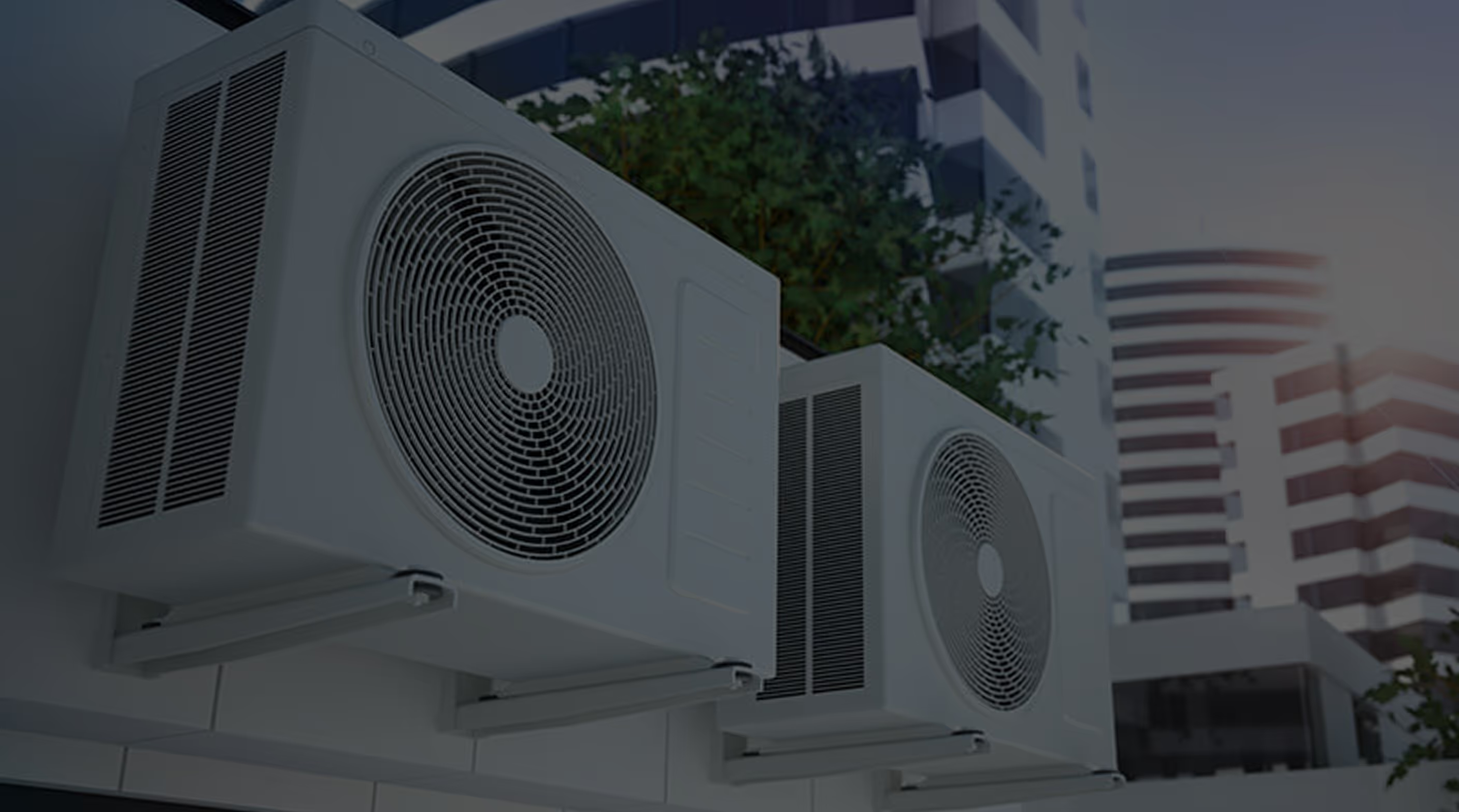
Mini Split Installation in Atherton, CA
Mini split installation in Atherton, CA offers targeted, energy-efficient climate control perfect for historic homes, additions, and sun-filled spaces. Our complete process covers everything: from an initial site survey and Manual J load calculations to handling permits, the installation itself, and post-install follow-up. We emphasize quiet operation, room-by-room zoning, and minimal ductwork. We'll help with indoor/outdoor unit selection, explain mounting methods, handle refrigerant and electrical work, and share energy efficiency tips. We also provide a typical timeline and homeowner prep to ensure a smooth, long-lasting installation for lasting comfort and value. Plum HVAC ensures every step is handled professionally.
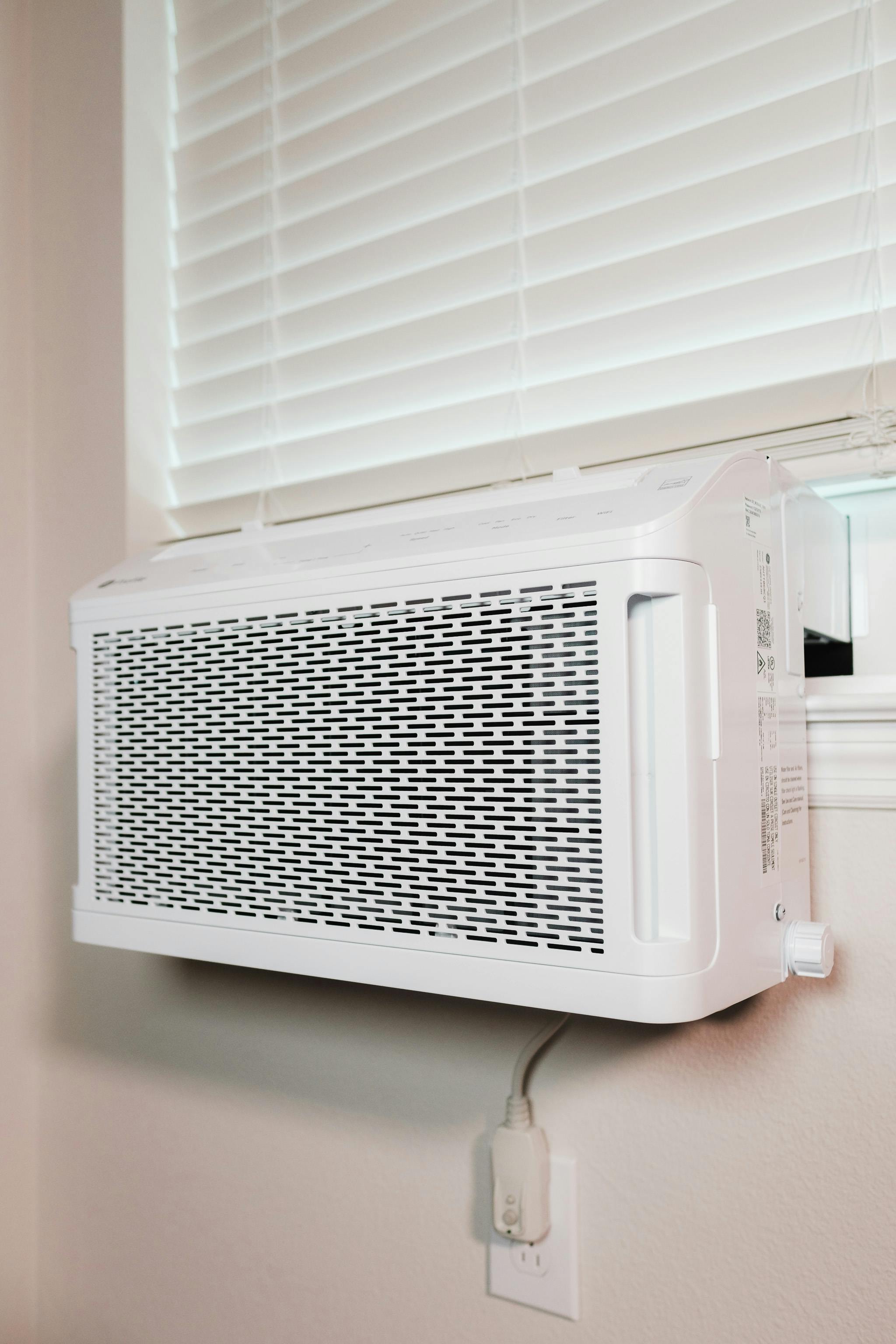
Mini Split Installation in Atherton, CA
Mini split installation in Atherton, CA offers a flexible, energy-efficient way to heat and cool high-value homes, historic properties, home offices, and guest houses. Whether you need targeted zone comfort for a sunroom, a quieter alternative to central HVAC, or a retrofit solution where ductwork is impractical, a properly engineered mini split system solves common comfort problems while minimizing energy use. This page walks through the full installation process—from initial site survey and load calculations to permitting, installation steps, homeowner preparation, and post-install considerations—so homeowners in Atherton know exactly what to expect.
Common mini split needs and issues in Atherton, CA
Atherton’s Mediterranean climate and diverse housing stock create typical service patterns:
- Multi-zone comfort for large rooms, additions, and second floors exposed to afternoon sun.
- Ductless retrofits in older or historic homes where preserving structure is important.
- Thin-wall or limited-yard space constraints that affect outdoor condenser placement.
- Common problems after poor installs: undersized systems, noisy outdoor units near property lines, insufficient condensate drainage, and electrical capacity issues in older panels.Understanding these local tendencies helps ensure a long-lasting, quiet, and efficient installation.
Site survey and load calculations
A thorough site survey is the foundation of a reliable mini split installation:
- Inspect room orientation, window sizes, insulation levels, ceiling height, and sun exposure—Atherton’s western and southern exposures often need higher cooling capacity in summer.
- Check existing electrical service, meter and panel access, and any HOA or setback restrictions.
- Perform Manual J load calculations to determine exact heating and cooling loads for each zone. Accurate load-sizing avoids short cycling, poor humidity control, and excessive energy use.
- Assess placement options for indoor heads (wall, floor, or ceiling cassette) and outdoor condensers, accounting for property lines, noise rules, and landscape.
Unit and zone selection
Selecting the right system and zone layout focuses on comfort and efficiency:
- Single-zone vs multi-zone: Small additions or single rooms can use a one-to-one system; most Atherton homes benefit from multi-zone systems to control several rooms independently.
- Inverter-driven heat pump technology is ideal in Atherton’s mild winters and warm summers for steady comfort and high seasonal efficiency.
- Choose indoor unit styles based on room function and aesthetics: low-profile wall mounts for living spaces, ceiling cassettes for open plans, or floor consoles for low-wall areas.
- Account for line-set length limits and outdoor unit capacity when designing zones to preserve warranty and performance.
Mounting indoor and outdoor units
Professional mounting improves performance and minimizes visual and noise impact:
- Indoor units are mounted on structural backing or rails, placed to ensure even airflow and minimal drafts across occupied areas.
- Outdoor condensers should sit on a concrete pad, polymer pad, or heavy-duty wall bracket. Consider elevation for drainage, anti-vibration pads to reduce transmitted noise, and clearances per code.
- Locating condensers away from neighbors and sleeping areas, with sound-dampening mounts or louvers if needed, addresses Atherton’s tranquil residential character.
Refrigerant line, condensate, and electrical work
Correct refrigerant and electrical work are critical for long-term reliability:
- Install insulated refrigerant lines and secure line sets through discreet channels, bulkheads, or small exterior penetrations. Maintain proper slope toward the outdoor unit to prevent oil or refrigerant trapping.
- Condensate management: Use gravity drains when possible; otherwise install condensate pumps. Route condensate away from foundations and finished surfaces.
- Electrical requirements include dedicated circuits, properly sized breakers, a disconnect at the outdoor unit, and compliance with California electrical code. Verification of panel capacity during the site survey prevents last-minute upgrades.
Permitting and inspections
Permits and inspections are required for most installations in Atherton and San Mateo County:
- Typical permit steps: submit system specs and load calculations, obtain building and mechanical permits, and schedule inspections for rough electrical, final mechanical, and final electrical.
- Plan extra time for permit review in busy seasons. Proper permitting ensures systems meet local safety and energy standards and preserves resale value.
Project timeline and homeowner preparation checklist
A standard multi-zone mini split installation timeline:
- Site survey and proposal: 1 visit (1–2 hours).
- Permit processing: 1–3+ weeks depending on workload.
- Installation: 1–3 days for 1–3 zones; larger multi-zone systems may take 2–5 days.
- Inspections and final startup: 1–2 visits over 1–7 days.
Homeowner preparation checklist:
- Clear access to install areas, attic access if lines pass through, and outdoor unit location.
- Move fragile items and wall art from areas where indoor units will be mounted.
- Ensure pets are secured and landscaping around outdoor pad is trimmed.
- Verify HOA or neighborhood architectural constraints if applicable.
Energy-efficiency considerations
Maximizing efficiency is especially relevant in Atherton, where energy costs and sustainability priorities are high:
- Choose inverter-driven heat pump systems with high SEER/HSPF ratings for best season-long performance.
- Properly size equipment based on Manual J to avoid oversizing.
- Use programmable thermostats or integrated zone controls to reduce run time when spaces are unoccupied.
- Ensure line set insulation and tight refrigerant charge verification at startup to preserve efficiency.
Typical installations and outcomes in Atherton
Examples of installations that align with local needs:
- Multi-zone retrofit in a Tudor-style home: two 9k wall units upstairs and a 24k outdoor condenser to resolve second-floor overheating while preserving historic interiors.
- Basement ADU conversion: low-profile floor console and a ceiling cassette paired to a compact outdoor unit, with condensate pumped to an exterior discharge.
- Sunroom/office addition: a single-zone high-efficiency heat pump mounted to minimize visual impact, combined with an insulated exterior pad and anti-vibration mounts to keep the yard quiet.
Post-install performance and common troubleshooting
After installation, commonly observed issues and resolutions include:
- Uneven temperatures: often fixed by adjusting head placement, airflow direction, or adding zoning controls.
- Short cycling: typically due to oversizing or incorrect charge—resolved by validating load calculations and refrigerant charge.
- Drips or odor from indoor unit: condensate line clog or improper slope—clearing lines and checking pumps corrects this.
- Noise complaints: re-mounting with vibration isolators or relocating the outdoor unit reduces disturbance.
A correctly specified and installed mini split system in Atherton, CA delivers quiet, zoned comfort, efficient year-round performance, and flexible installation options for homes with architectural constraints. Prioritizing accurate load calculations, proper line and electrical work, and permitting ensures reliable operation and long-term homeowner satisfaction.
hear what our satisfied clients have to say

.svg)
Service areas
.avif)