Thermostat Installation in Menlo Park, CA
Thermostat installation in Menlo Park, CA guides homeowners through choosing the right programmable or smart thermostat, assessing system compatibility, and ensuring a safe, code-compliant installation. The service covers on-site evaluation, wiring, mounting, Wi-Fi setup, calibration, and training on features like schedules, sensors, and energy reports. With expert installation, homes gain reliable temperature control, reduced energy waste, and ongoing warranty and support, backed by local climate considerations and post-install maintenance tips for Menlo Park households. We tailor recommendations to your home.
Thermostat Installation in Menlo Park, CA
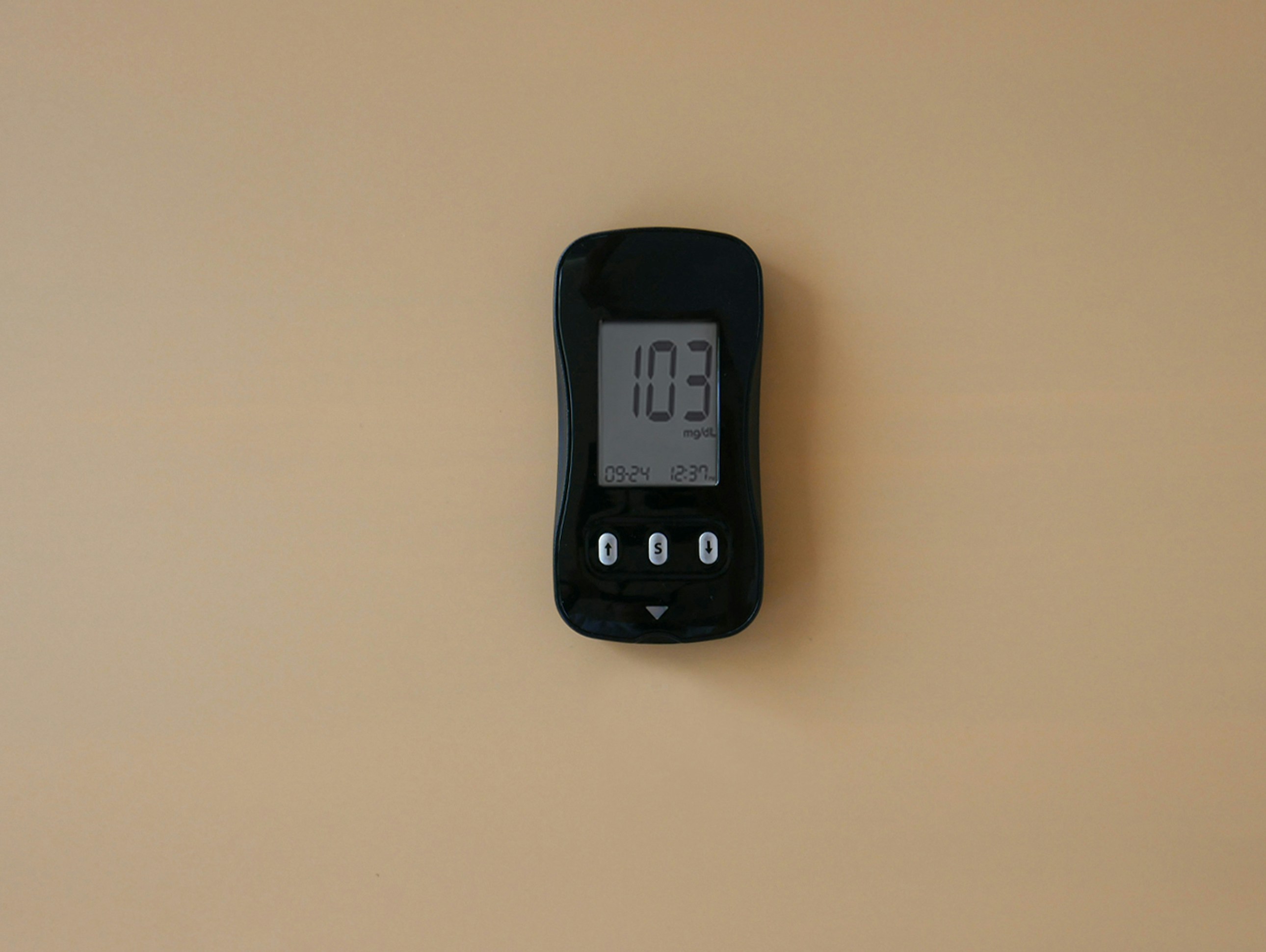
Upgrading or installing a thermostat is one of the fastest ways to improve comfort, control HVAC performance, and reduce energy use in Menlo Park, CA homes. Whether you are replacing a failing unit, moving from a basic dial to a programmable model, or adding a smart thermostat with remote sensors and app control, professional installation ensures compatibility with your heating and cooling system, accurate calibration, and a setup tailored to Bay Area comfort patterns and energy goals.
Common thermostat installation needs in Menlo Park
- Replacement of old electro-mechanical or nonprogrammable thermostats due to failure or unreliable temperature control
- Upgrade to a programmable thermostat for automatic schedules
- Smart thermostat installation for Wi-Fi control, geofencing, and energy monitoring
- Compatibility modifications for heat pumps, multi-stage systems, boilers, and mini-split or packaged units
- Adding a common wire (C-wire) or using a power adapter for modern smart thermostats
- Multi-zone or sensor-based installations for uneven temperature or sun exposure issues
Assessment and system compatibility
A reliable installation starts with a thorough assessment of your existing HVAC equipment and wiring. Typical checks include:
- Identifying your HVAC type: heat pump, gas furnace, electric heat, packaged rooftop unit, or mini-split
- Verifying control voltage and wiring colors, especially presence of a C-wire for continuous power to smart thermostats
- Confirming number of stages for heating and cooling (single-stage vs multistage) or presence of auxiliary heat
- Inspecting any zone control systems and determining whether a single thermostat or multiple thermostats are required
In Menlo Park, many homes blend older construction with modern upgrades. That mix makes an on-site inspection important to avoid compatibility problems and to recommend the right thermostat features for local weather patterns and home layout.
Choosing the right programmable or smart thermostat
Selecting the correct model depends on your HVAC system and lifestyle. Key considerations:
- Basic programmable thermostats: good for scheduled temperature setbacks without Wi-Fi features
- Smart thermostats: Wi-Fi connectivity, remote control, learning features, and energy reports; ideal for busy households and tech-savvy homeowners
- Sensor-equipped systems: add remote sensors for rooms that get afternoon sun or remain cool during foggy mornings
- HVAC compatibility: ensure support for heat pumps, multi-stage equipment, or hydronic systems where applicable
- Power needs: choose a model that either uses a C-wire or can be installed with a professional power adapter for reliable operation
Local factors in Menlo Park make smart features appealing. Mild, sometimes fluctuating coastal temperatures mean occupancy-based control, geofencing, and sensor-driven schedules can deliver real comfort with energy savings.
Professional installation steps
A professional installation covers the full technical process and quality checks:
- Safety and system shutoff: power to the HVAC is turned off to prevent damage and ensure safety
- Remove and document old thermostat wiring: photographs and labeling help ensure accurate reconnection
- Install required wiring or C-wire adapter: run or adapt wiring when necessary to power modern thermostats
- Mount and wire the new thermostat: secure installation and correct terminal connections for staging and accessory controls
- Configure basic settings: set system type, heat/cool differentials, cycle rates, and applicable offsets
- Connect to Wi-Fi and finalize account setup for smart models
- Perform equipment call tests: confirm heating, cooling, fan control, and any zone or damper responses
- Calibrate sensors and verify temperature accuracy throughout the home
Each step is documented and explained so you know how the new thermostat interacts with your system.
Calibration, setup, and user training
After physical installation the thermostat needs calibration and a tailored setup:
- Calibration: verify thermostat readings against a reference and adjust offsets for accurate comfort control
- Scheduling: establish weekday and weekend schedules that reflect your household routines and Menlo Park daily temperature cycles
- Sensor placement: advise on ideal locations for additional sensors to avoid false readings from sun, drafts, or appliances
- Feature walkthrough: demonstrate how to use schedule holds, vacation modes, energy reports, and remote control apps
- Explain manual overrides, system alerts, and simple troubleshooting steps to keep daily operation smooth
Training empowers homeowners to get the full benefit of new features without confusion.
Warranty and ongoing support
Proper installations come with two layers of protection:
- Manufacturer warranty on the thermostat hardware and software updates
- Installation workmanship coverage from the installer for wiring and setup issues
Smart thermostats also receive periodic firmware updates; maintaining Wi-Fi connectivity and account settings ensures continued performance. Simple maintenance tasks like replacing backup batteries and keeping vents and filters clean help the system work reliably.
Tips to optimize comfort and energy savings in Menlo Park homes
- Use temperature setbacks when the house is empty or overnight to save energy without sacrificing comfort
- Take advantage of geofencing and occupancy sensors so the system follows your real schedule
- Use remote sensors in rooms with strong solar gain or in basement spaces that stay cooler to even out comfort
- Keep HVAC filters clean and schedule annual maintenance to preserve system efficiency
- Combine thermostat scheduling with shading, ceiling fans, and passive ventilation to reduce HVAC load on warm days
- For homes with mild coastal mornings and warm afternoons, set a conservative cooling setpoint during daytime and allow slight setbacks at night
Why professional installation matters
Correct thermostat selection and expert installation prevent common problems like short cycling, incorrect stage activation, and dead batteries in smart thermostats. Professionally installed thermostats are calibrated, tested, and configured for your specific HVAC equipment and Menlo Park home patterns, delivering better comfort, reduced energy waste, and long term reliability.
Professional thermostat installation gives you a system that works with your home and lifestyle, not against it.
hear what our satisfied clients have to say

.svg)
Service areas
.avif)