
Smart Thermostat Installation in San Bruno, CA
Smart Thermostat Installation in San Bruno, CA helps homeowners cut energy waste, improve indoor comfort, and simplify climate control. The guide explains model options, compatibility with furnaces, heat pumps, and mini-splits, and outlines a professional installation process-from site assessment and wiring to mounting, Wi-Fi setup, and testing. It highlights energy-saving configurations, remote access benefits, and practical tips for rebates and everyday use. When correctly configured for local climate and system type, a smart thermostat delivers measurable comfort and efficiency.
Smart Thermostat Installation in San Bruno, CA
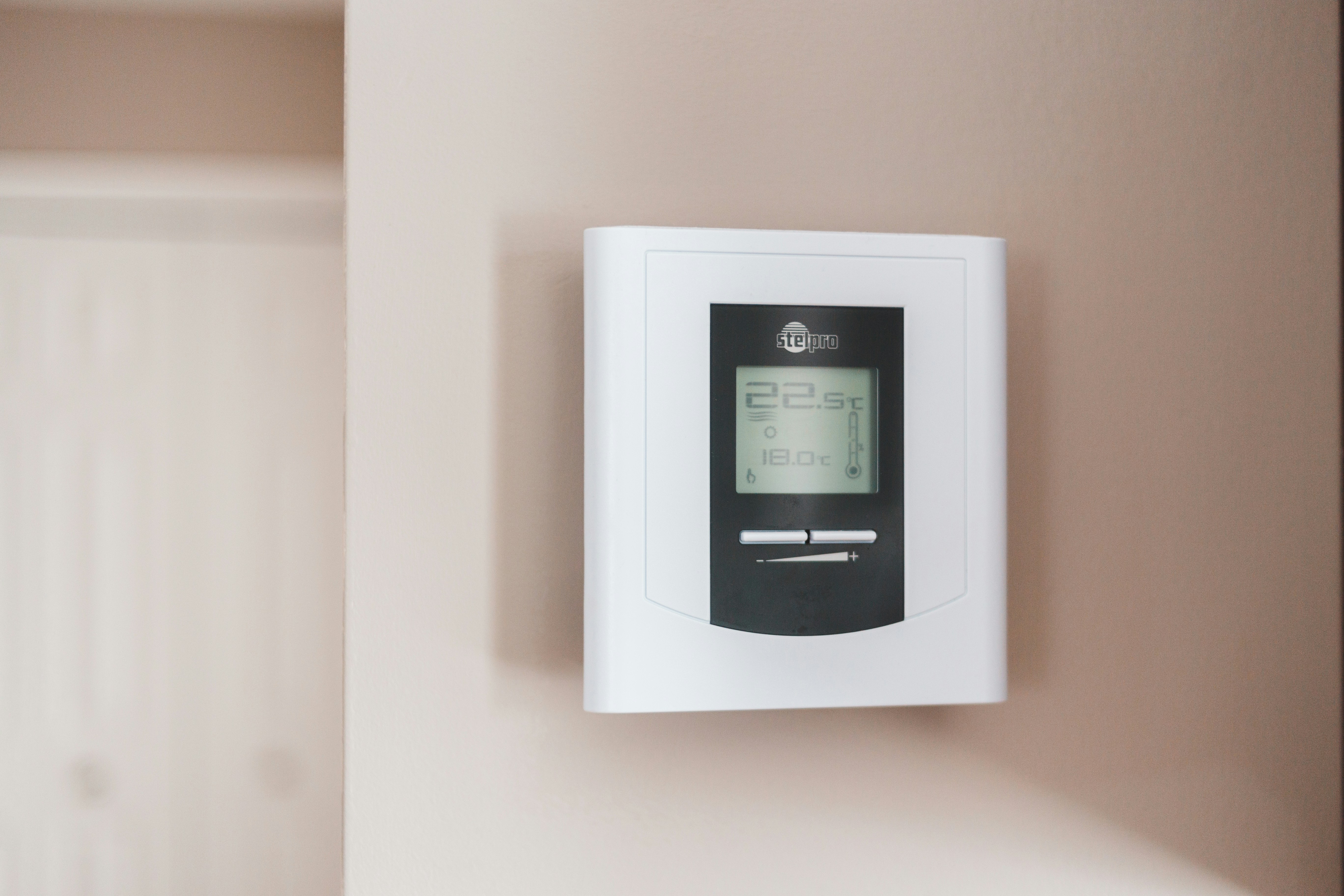
Upgrading to a smart thermostat is one of the most effective ways San Bruno homeowners can cut energy waste, improve indoor comfort, and simplify HVAC control. Smart thermostat installation in San Bruno, CA addresses local needs — mild coastal winters, fog-driven humidity swings, and occasional warm inland days — by giving you precise scheduling, remote control, and automatic energy-saving features that fit how you actually live. This page explains model choices, compatibility with furnaces, heat pumps and mini‑splits, the professional installation process, configuration and diagnostics, and practical guidance on rebates and everyday use.
Why a smart thermostat makes sense in San Bruno homes
- San Bruno’s relatively mild climate means heating and cooling runs are often short but frequent; a smart thermostat learns patterns and reduces runtime without sacrificing comfort.
- Remote control and geofencing prevent unnecessary heating or cooling when residents are away, which is especially useful for commuter households.
- Integration with humidity-aware settings or smart vents can reduce fog-related condensation and maintain comfort during marine layer conditions.
Popular smart thermostat models: quick comparison
Choosing the right model depends on your system type and priorities. Common options include:
- Google Nest Thermostat / Nest Learning Thermostat: strong learning algorithm, simple scheduling, good energy reports. Best for homeowners who want automatic learning and a polished interface.
- Ecobee: includes remote sensors for room-level temperature control and occupancy detection. Excellent for multi-zone comfort and heat pump support.
- Honeywell Home / Resideo: broad compatibility with traditional HVAC systems and straightforward programming. Good for those prioritizing compatibility and proven reliability.
- Emerson Sensi: budget-friendly, easy installation, good app control. Works well with furnace and heat pump systems that have a common wire.
- Dedicated mini‑split controllers (Sensibo, Cielo, or manufacturer smart kits): required when the mini‑split uses proprietary controls rather than standard thermostat wiring.
Key features to weigh: sensor support for hot/cold spots, learning vs manual schedules, voice assistant compatibility, energy reporting, and wiring requirements (especially the C-wire).
Common smart thermostat issues in San Bruno and how pros address them
- Compatibility confusion: older furnaces, two-stage systems, and some heat pumps or mini‑splits may not use standard thermostat wiring. A professional assessment determines compatibility or proposes an appropriate controller.
- Missing C-wire: many homes lack a common (C) wire needed for continuous power. Pros can install a C-wire, use an adapter, or select a thermostat that works without one.
- Mini‑split integration: ductless systems often use proprietary controls. Installing a compatible smart controller or a thermostat designed for high-voltage/IR control is often necessary.
- Wi‑Fi connectivity problems: coastal moisture and home layout can affect signal strength. Professionals recommend optimal router placement or use of Wi‑Fi extenders.
- Incorrect staging/configuration: multi-stage compressors and heat pumps need correct wiring and thermostat settings to prevent short cycling or inefficient operation.
What professional installation includes
A professional smart thermostat installation in San Bruno typically follows these steps:
- System and site assessment
- Verify HVAC type (furnace, heat pump, mini‑split), control wiring, existing thermostat features, and compatibility.
- Inspect electrical panels and assess Wi‑Fi signal in the thermostat’s location.
- Wiring and power solutions
- Confirm presence of C‑wire; install a C‑wire or compatible power adapter where needed.
- Handle any required relays or isolation for high-voltage systems.
- Mounting and wiring termination
- Remove old thermostat, label wires, and mount the new unit with correct wiring connections and secure grounding where required.
- Wi‑Fi setup and mobile app integration
- Connect the thermostat to the home network, link user accounts, and integrate with voice assistants if desired.
- Configuration and testing
- Program schedules, set heating/cooling differentials, enable smart features like geofencing, and test operation across all modes and stages.
- Client training and documentation
- Walk through app usage, manual controls, remote sensor placement, and simple diagnostics.
- Provide documentation needed for rebates or future service.
Compatibility specifics: furnaces, heat pumps, and mini‑splits
- Furnaces: Most modern smart thermostats work with gas, oil, or electric furnaces, provided the wiring standard is present. Two-stage or modulating furnaces will need a thermostat with matching staging capability.
- Heat pumps: Ensure the thermostat supports heat pump logic (reversing valve control and auxiliary heat). Proper configuration prevents unnecessary auxiliary heat use and improves efficiency.
- Mini‑splits: Many ductless mini‑splits use remote controls or proprietary protocols. Options are to use the manufacturer’s smart controller or third-party smart controllers designed for IR or Wi‑Fi control. Some installations require a dedicated interface or a smart thermostat from the mini‑split manufacturer.
Energy-saving configuration and everyday tips
- Program setback schedules: reduce heating or cooling during known away times and overnight for predictable savings.
- Use smart recovery: allow the thermostat to start the system early so your target temperature is reached by the scheduled time without overshooting.
- Place remote sensors in frequently used rooms or problem areas to avoid overconditioning unused spaces.
- Enable energy reports and alerts to monitor usage trends and identify inefficient patterns, like short cycling or stuck compressors.
- For San Bruno homes, lower nighttime heating setpoints and use humidity control during foggy periods to maintain comfort while saving energy.
Rebates, incentives, and paperwork guidance
- Many utilities and state programs offer rebates or incentives for installing ENERGY STAR certified smart thermostats or for professional installations. Check local utility program requirements and eligible models.
- Keep receipts, model numbers, installer documentation, and any certification forms; some programs require professional installation to qualify.
- Ask the installer to provide necessary documentation and step-by-step guidance on submitting rebate applications or tax-credit paperwork.
Training, remote diagnostics, and ongoing care
- Basic homeowner training should include using the mobile app, creating and editing schedules, setting temperature and humidity targets, updating firmware, and pairing remote sensors or voice assistants.
- Troubleshooting basics: how to reset Wi‑Fi, reboot the thermostat, interpret common error notifications, and read runtime and energy reports.
- Remote diagnostics: many smart thermostats and installers can access diagnostic logs to identify faults like wiring issues, short cycling, or sensor errors — reducing on-site time and improving repair accuracy.
- Annual check: pair thermostat checkups with HVAC preventive maintenance to ensure sensors and controls remain accurate and efficient.
Smart thermostat installation in San Bruno, CA delivers measurable comfort and energy benefits when matched to your system and professionally configured. With the right model, correct wiring, and thoughtful scheduling you’ll reduce unnecessary HVAC runtime, address local climate challenges, and enjoy simpler, smarter home comfort management.
hear what our satisfied clients have to say

.svg)
Service areas
.avif)