

Ductwork Repair in Atherton, CA
Ductwork repair in Atherton, CA delivers measurable comfort and efficiency by diagnosing and fixing leaks, insulation gaps, and airflow imbalances in large, custom homes. Our process includes visual inspections, leak testing, airflow measurements, and thermal imaging to pinpoint high-impact repairs. Typical solutions seal leaks, patch damaged sections, re-insulate, replace troublesome runs, balance dampers, and improve routing. Post-repair testing confirms performance gains, while preventative maintenance helps maintain airflow, energy efficiency, and indoor air quality over time in Atherton climates.
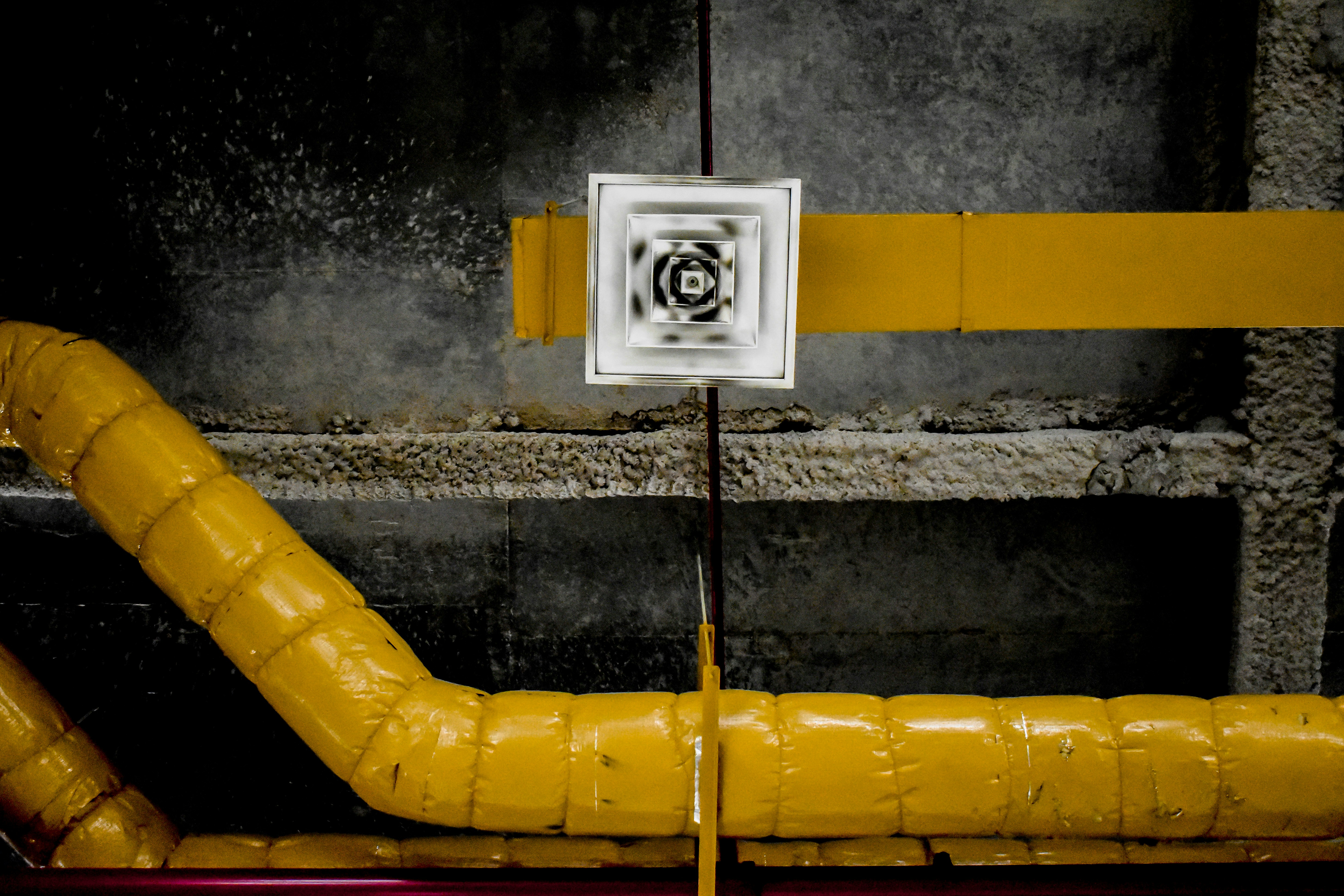
Ductwork Repair in Atherton, CA
Ductwork repair in Atherton, CA ensures your home’s heating and cooling system delivers comfort efficiently and reliably. Many Atherton residences are large, custom-built properties with long duct runs, high ceilings, and mixed construction types. Those features make duct leaks, poor insulation, and disconnected sections more likely—and in a climate that alternates mild coastal influence with occasional heat events, those duct problems directly affect comfort, energy use, and indoor air quality.
Common ductwork problems in Atherton homes
Understanding symptoms helps you choose the right repair. Common issues we see in Atherton include:
- Leaky duct joints and seams — Caused by age, poor initial installation, or settling; results in loss of conditioned air into attics, crawlspaces, or wall cavities.
- Poor or degraded insulation — Attic ducts exposed to fluctuating temperatures lose performance when insulation is missing, compressed, or wet.
- Disconnected or crushed sections — Flexible ducts can detach at connections or be crushed in tight spaces, reducing airflow.
- Airflow imbalance and pressure issues — Long runs and improperly sized ductwork create hot or cold rooms and force the HVAC system to run longer.
- Contamination and moisture — In humid periods or where ducts run through damp spaces, condensation or dust accumulation can reduce air quality and encourage mold growth.
- Noise and vibration — Loose or unsupported ducts create rattles and transfer equipment noise through the home.
These problems often present as uneven room temperatures, higher energy use, more dust, or systems that short-cycle.
How we diagnose duct issues
A thorough diagnostic inspection identifies where repairs will make the most impact. Typical diagnostic steps include:
- Visual inspection of accessible ducts, connections, boots, and insulation in attics, crawlspaces, basements, and utility rooms.
- Leak testing using pressure differential techniques to find loss points that aren’t visible.
- Airflow measurements at supply and return registers to quantify imbalances and verify system performance.
- Thermal imaging to locate heat loss spots and insulation gaps.
- Register-by-register checks to identify which rooms are affected and whether balancing adjustments can help.
Inspections focus on both the duct system and the conditions around it—attic insulation, roof ventilation, and ventilation openings—that influence duct performance in Atherton’s climate.
Repair methods: what works and when
Repair methods are chosen to match the problem, the home’s construction, and desired longevity. Common solutions include:
- Sealing leaks: Permanently sealing seams and joints using mastic and metal-reinforced tape at accessible points stops conditioned air from escaping into unconditioned spaces.
- Patching holes and reconnecting sections: Reattaching or replacing small damaged sections of flexible or sheet metal ducting restores airflow and reduces leakage paths.
- Re-insulating ducts: Adding or replacing insulation on exposed ducts, especially in attic runs, reduces heat gain or loss. Insulation is installed to meet local standards for energy efficiency.
- Replacing damaged runs or plenums: When ducts are badly crushed, corroded, or undersized, replacing sections with properly sized sheet metal or high-quality flexible ductwork ensures long-term performance.
- Balancing and damper adjustment: Adjusting dampers and, when needed, adding balancing dampers helps distribute airflow evenly to rooms.
- Improving support and routing: Securing ducts with proper hangers, raising runs off attic surfaces, and rerouting when necessary prevents future sagging or compression.
All repairs conclude with post-repair testing to confirm airflow and leakage are within expected ranges.
What to expect after repair
Properly repaired ductwork leads to measurable and perceptible benefits for Atherton homes:
- More consistent comfort room-to-room, with fewer hot or cold spots.
- Improved HVAC efficiency, so systems run less often and with less strain.
- Better indoor air quality due to reduced infiltration of attic dust, insulation fibers, and unconditioned air.
- Quieter operation when loose or poorly supported ducts are secured.
- Longer equipment life because the system operates closer to design conditions instead of compensating for losses.
Repairs typically range from quick fixes that can be completed in a few hours to more extensive replacements that may require a day or more. A detailed inspection will define the scope and timeline for your specific home.
Typical factors that affect repair scope in Atherton
Several local factors influence what repairs are needed and how they are performed:
- Many Atherton homes have large attics and long duct runs, increasing the number of potential leak points.
- Coastal moisture and occasional humidity can accelerate insulation degradation or create dew point issues on poorly insulated ducts.
- Remodels or additions common in the area often involve duct modifications that introduce new leak or balancing problems.
Recognizing these factors during the inspection helps prioritize repairs that provide the most immediate comfort and efficiency improvements.
Preventative maintenance tips for long-term performance
Keeping ductwork in good condition reduces the chance of future repairs and preserves energy savings:
- Schedule a professional duct inspection annually or after major renovations.
- Change HVAC filters regularly (frequency depends on filter type and household conditions).
- Keep attic and crawlspace insulation continuous and dry; address roof or plumbing leaks promptly.
- Ensure registers are open and unobstructed, and vacuum around them periodically to reduce dust build-up.
- After any attic work or pest activity, check duct connections for damage or dislodgement.
Regular attention, combined with targeted repairs when needed, keeps systems operating efficiently and maintains home comfort in Atherton’s climate.
Final notes on selecting repairs
When evaluating options, consider the long-term benefits of quality sealing and proper insulation over short-term patching. Good repair work reduces energy waste, improves comfort, and protects indoor air quality—especially in larger homes common in Atherton. A professional diagnostic inspection that includes leak testing and airflow measurement is the most reliable way to identify the highest-value repairs for your home.
hear what our satisfied clients have to say

.svg)
Service areas
.avif)