Ductwork Installation in Woodside, CA
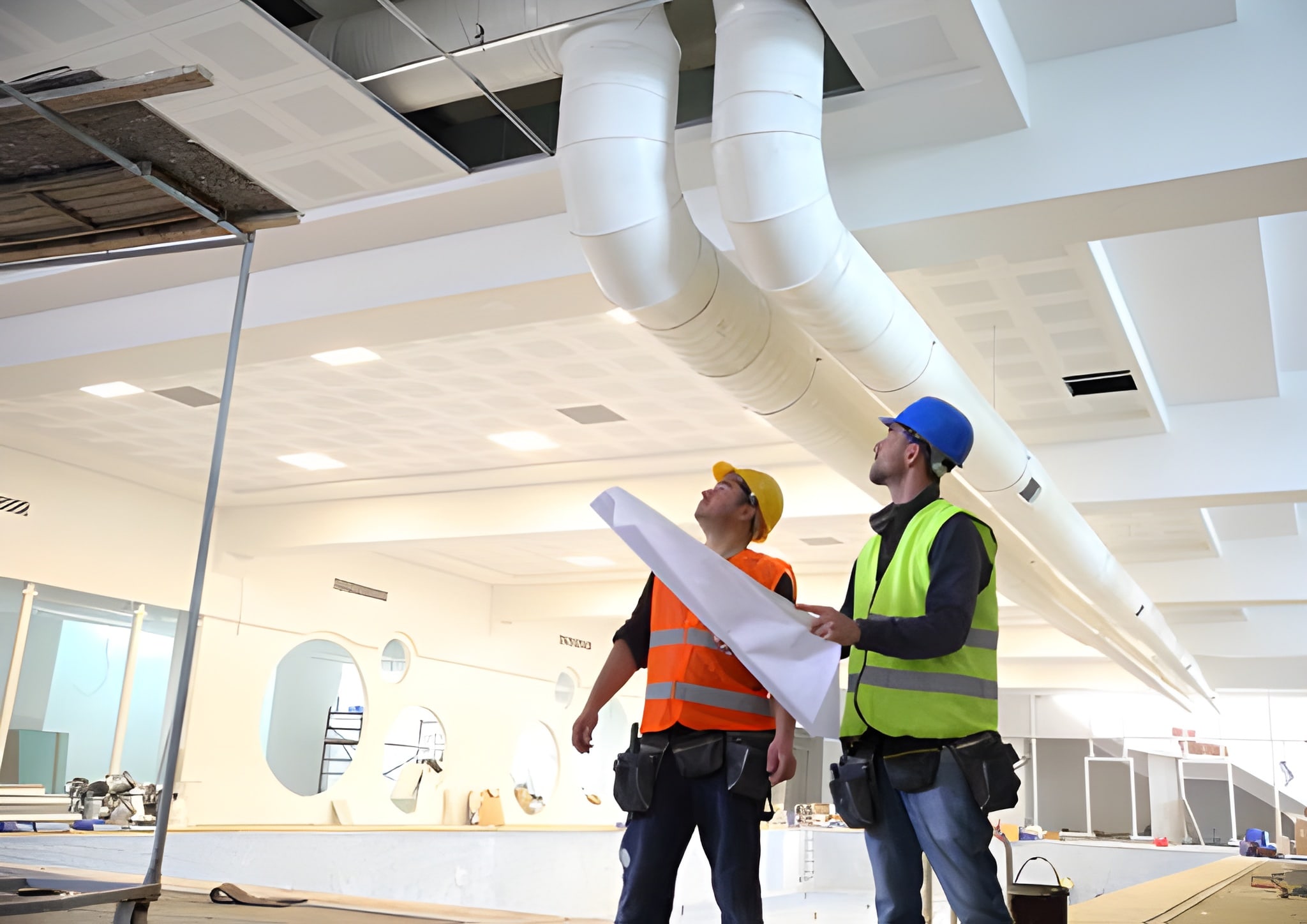
Ductwork installation in Woodside, CA provides comprehensive design, sizing, and installation services tailored to hillside, multi-level homes. The process covers load calculations (Manual J), duct design (Manual D), material selection, insulation, sealing, and integration with existing HVAC equipment to ensure balanced airflow and energy efficiency. Projects range from new construction to full replacement or retrofits, with attention to code compliance, permitting, and post-installation testing and balancing. Proper ductwork improves comfort, indoor air quality, and long-term equipment performance in local conditions.
Ductwork Installation in Woodside, CA
Proper ductwork is the backbone of a comfortable, efficient home. In Woodside, CA, where many houses are older, spread across hills, and face seasonal wildfire smoke and variable summer heat, correctly designed and installed duct systems matter more than in many other places. Ductwork Installation in Woodside, CA covers system design and sizing, material choices, layout for optimal airflow, insulation and sealing, integration with existing HVAC equipment, project timelines, code compliance, and post-installation testing and balancing so your system performs reliably and efficiently.
Why ductwork matters in Woodside homes
Poor or poorly sized ductwork causes uneven temperatures, higher energy bills, noisy airflow, and increased infiltration of outdoor pollutants like wildfire smoke and pollen — all real concerns for Woodside residents. Many local homes have long runs through attics or crawlspaces, multi-level layouts, or older systems that were never sized to modern load calculations. Upgrading or installing new ducts fixes comfort problems at the source and ensures the HVAC equipment operates at peak efficiency.
Common ductwork installation types and issues in Woodside, CA
- New construction ductwork: Custom design to match new home layouts and modern load calculations. Ideal for hillside or multi-level homes where short, direct runs are possible.
- Full replacement: Replacing undersized, leaky, or damaged ducts in older homes to restore airflow and indoor air quality.
- Retrofit and partial replacements: Adding new trunk lines, improving returns, or reconfiguring rooms without full system replacement.
- Integration with mini-splits or zoned systems: Coordinating new ducts with ductless or zoned upgrades to balance comfort and efficiency.
- Common issues: undersized ducts, poor return placement, excessive leakage, insufficient insulation in attics, and blocked or crushed flexible ducts.
Design and sizing: what we evaluate
Proper design begins with accurate load calculations and duct sizing:
- Load calculation (Manual J): Determines heating and cooling requirements for each room based on insulation, windows, orientation, occupancy, and Woodside climate influences like sun exposure on hillsides.
- Duct design (Manual D): Determines trunk sizes, branch splits, and register locations to deliver balanced airflow without excessive static pressure.
- Return air planning: Adequate return pathways are critical for balanced pressure and to limit infiltration of outdoor air in wildfire seasons.
- Equipment match: Ensuring the duct system is matched to the HVAC unit’s capacity so the system runs efficiently and reliably.
These steps reduce noise, increase comfort, and prevent short-cycling or overload on equipment.
Material options and pros/cons
- Sheet metal (galvanized steel): Durable, smooth interior for best airflow, long service life, and easiest to seal. Preferred for main trunk work and high-performance systems.
- Flexible duct (insulated flex): Cost-effective and useful for short branch runs in tight spaces but must be correctly supported and not overly long to avoid pressure drop.
- Fabric ductwork: Used in some commercial or specialty installations for uniform air dispersion; less common in homes.
- Fiberboard: Lightweight and insulated but less durable and typically avoided in high-performance residential installs.
Choice depends on access, budget, performance goals, and the specific layout of Woodside homes.
Insulation and sealing best practices
Sealing and insulating ducts are essential in Woodside to limit energy loss and keep out smoke and fine particles:
- Sealing: Use mastic or UL-approved aerosol sealants at joints and boots rather than tapes that degrade. Proper sealing reduces leakage, improves efficiency, and limits infiltration of wildfire smoke.
- Insulation: Insulate ducts that pass through unconditioned attics or crawlspaces to reduce heat gain in summer and heat loss in winter. Select materials and R-values appropriate for California Title 24 recommendations and local climate.
- Support and clearance: Keep flexible ducts supported and avoid kinks or compression that reduce airflow.
These practices extend equipment life, reduce energy use, and improve indoor air quality.
Integrating new ductwork with existing HVAC systems
When tying into an existing furnace or condenser, installers evaluate:
- Plenum compatibility and transition sizing
- Return pathways and filter locations
- Static pressure and blower capabilities to ensure the equipment can drive the new duct layout
- Where necessary, recommend blower adjustments or equipment changes to match the new ductwork
A coordinated approach prevents common problems like reduced capacity, noisy operation, or imbalanced rooms.
Code compliance and permitting in Woodside, CA
Ductwork installations must meet California Building Code and Title 24 energy requirements, which emphasize duct leakage reduction, proper insulation, and efficient system commissioning. Local jurisdictions in San Mateo County often require permits and may require duct leakage testing or verification of sealing for certain work. Planning for permit timelines and inspections is part of a standard project estimate.
Typical project timeline and what to expect
- Initial assessment and measurements: Site visit to evaluate existing conditions and collect dimensions.
- Design and quote: Load calculations, duct layout, and materials selection. Permitting initiated if required.
- Installation: Depending on scope, work can range from a day or two for targeted upgrades to several days or a week for full-system installs in larger homes.
- Inspection and adjustments: Code inspections where required, followed by airflow testing and balancing.
- Final testing and handoff: Delivering documentation of tests and recommended maintenance.
Woodside homes with complex access, multiple levels, or custom architecture may require additional planning time.
Post-installation testing and balancing
After installation, proper commissioning ensures the system performs as designed:
- Airflow testing and balancing: Verify each register receives the correct airflow for comfort and efficiency.
- Leakage testing: Measure duct leakage to confirm sealing meets standards.
- Static pressure and performance checks: Ensure the blower and equipment operate within safe limits.
- Documentation: Provide a summary of results and recommendations for airflow adjustments or future maintenance.
These steps guarantee the installation delivers the expected comfort and energy benefits.
Cost factors and long-term benefits
Installation cost varies based on home size, accessibility, system complexity, materials chosen, and the need for permits or structural work. Key factors that influence cost include length of duct runs, number of registers, attic or crawlspace access, and whether existing equipment needs modification or replacement.
The long-term benefits include:
- Improved comfort and more even temperatures throughout the home
- Lower energy bills through reduced leakage and better system efficiency
- Enhanced indoor air quality and reduced infiltration of wildfire smoke
- Quieter operation and longer HVAC equipment life
- Compliance with local energy codes and improved home value
Maintenance and care after installation
Routine checks keep your ductwork performing:
- Inspect accessible ducts and supports annually
- Replace filters regularly and ensure returns are unobstructed
- Keep attic and crawlspace areas well-sealed and ventilated where appropriate
- Schedule periodic airflow checks if comfort issues reappear
Well-designed and installed ductwork provides reliable comfort for years and responds favorably to seasonal extremes common to Woodside and the San Francisco Peninsula.
In Woodside, CA, thoughtful ductwork installation does more than move air; it protects indoor air quality, boosts comfort across varied floor plans, and maximizes HVAC performance amid regional challenges like wildfire smoke, hilly homes, and energy code requirements. A properly sized, sealed, and balanced system is an investment in comfort, efficiency, and long-term home performance.
hear what our satisfied clients have to say

.svg)
Service areas
.avif)