Ductwork Installation in Portola Valley, CA
Ductwork installation in Portola Valley, CA offers a thorough guide to planning, designing, and delivering efficient, conditioned air throughout a home. The page covers local climate considerations, attic and crawlspace challenges, material options, and the importance of airtight seals and proper insulation. It outlines assessment steps, load calculations, and duct design, followed by fabrication, installation, leakage testing, balancing, and documentation for permits and HERS compliance. It also details timelines, pricing factors, warranties, and maintenance to sustain comfort and energy savings.
Ductwork Installation in Portola Valley, CA
Ductwork installation in Portola Valley, CA is a foundational step toward a comfortable, energy-efficient home. Whether you are replacing aging ducts in a 1970s ranch, upgrading for a new high-efficiency furnace or heat pump, or installing systems in a custom hillside home, properly designed and installed ductwork improves comfort, lowers energy bills, and reduces indoor air quality problems common in our region. This page explains what a professional ductwork installation looks like in Portola Valley, why local factors matter, typical project stages, and how to maintain your new system for long-term performance.
Why local conditions in Portola Valley matter
- Portola Valley homes experience warm, dry summers and cool, damp winters with notable microclimates due to elevation and coastal influence. These swings affect load calculations and insulation needs.
- Many homes are situated over attics or crawl spaces; ducts in unconditioned spaces require higher-quality sealing and insulation to avoid energy loss.
- Regional concerns such as wildfire smoke and air quality make airtight ducts and proper filtration an important consideration for indoor air quality and occupant health.
- California energy code requirements and HERS testing are commonly part of installations here, especially for remodels or permitting, so local code knowledge ensures compliant, efficient designs.
Common ductwork problems in Portola Valley homes
- Leaky joints and connections that reduce delivered airflow and increase energy use.
- Undersized or poorly routed duct runs causing uneven heating/cooling and noisy rooms.
- Old flexible duct that has collapsed, pinched elbows, or poor support.
- Insufficient insulation in attic or exterior ductwork leading to temperature loss.
- Ducts that are not balanced to the home’s load, producing hot or cold spots.
- Systems that fail HERS or Title 24 duct sealing tests during permitting or resale.
Types of ductwork and material options
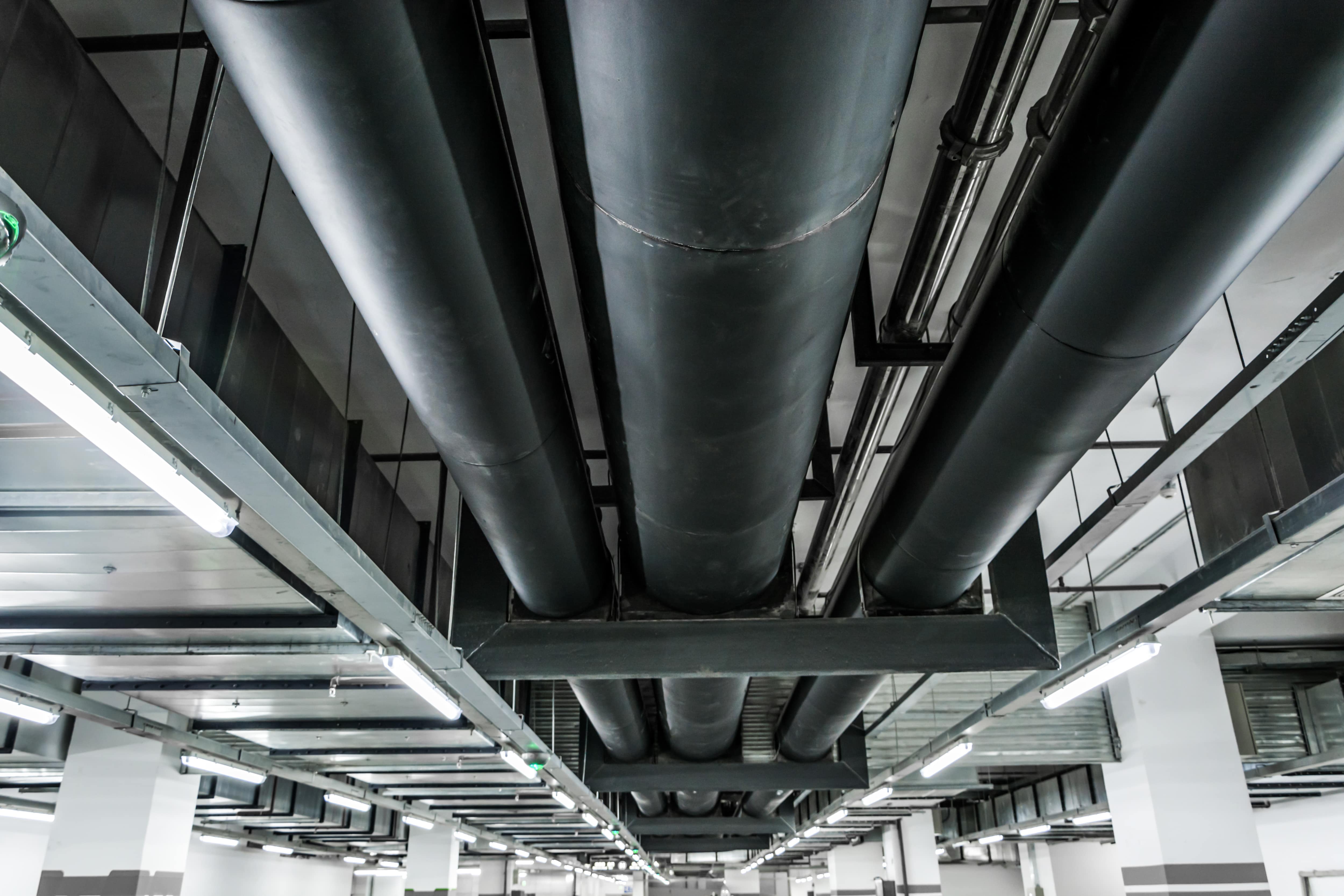
- Sheet metal (galvanized steel or aluminum): Durable, smooth interior for efficient airflow and long service life. Preferred for main trunks and commercial-grade applications.
- Flexible duct: Useful for tight spaces and last-foot runs to registers. Cost-effective but must be installed properly—short, straight as possible with adequate support.
- Fabric duct or ductboard: Less common in residential retrofit but viable in specific designs; requires careful selection for durability and air quality.
- Insulation options: Foil-faced fiberglass wrap, pre-insulated ducts, or R-rated duct board. Selection depends on whether ducts are in attics, crawlspaces, or conditioned space.
Assessment, design, and planning
- Initial home assessment: A certified technician will inspect existing duct layout, insulation, attic/crawlspace access, return locations, and the existing HVAC equipment. This typically includes visual checks and basic airflow measurements.
- Load and airflow considerations: Accurate sizing starts with a Manual J load calculation to determine heating and cooling needs for your Portola Valley home. From there, a Manual D duct design defines trunk sizes, branch runs, and register locations to deliver the required CFM to each room.
- Material and system selection: Based on the design, the installer will recommend sheet metal or flexible ducts, insulation levels that meet California requirements, and any upgrades such as additional returns, improved filtration, or upgraded air handlers.
- Coordination with permitting and HERS: For many projects in Portola Valley, installations must comply with California Title 24. Installers coordinate with HERS raters to schedule duct leakage and performance testing when required.
Fabrication and installation process
- Prefab and trunk layout: Main ducts and plenums are fabricated or prepared, positioned to minimize long, restrictive runs and avoid unnecessary transitions.
- Secure mounting and support: Ducts are hung or supported to avoid sagging and to maintain designed slope and alignment for optimal airflow.
- Sealing best practices: All joints, seams, and connections are sealed using approved materials—mastic sealant or UL 181-rated foil tape—for durable airtightness. Mechanical fasteners are used appropriately before sealing.
- Insulation and protection: Ducts in unconditioned spaces receive the specified insulation wrap or pre-insulated ducting. Insulation details are selected to meet or exceed California code and to address Portola Valley’s attic temperature profiles.
- Penetration and transition detailing: Proper firestopping, condensation control, and transitions to registers and diffusers are completed per code.
Testing, balancing, and compliance
- Duct leakage testing: When required, a pressure test (Duct Blower) quantifies leakage and validates sealing. Results are used to verify compliance with Title 24 and HERS requirements.
- Air balancing and commissioning: Technicians measure airflow at registers and adjust dampers to deliver the calculated CFM to each room. This step eliminates hot/cold spots and ensures the system performs as designed.
- Documentation and code compliance: Installers provide test reports and documentation used for permits and HERS sign-off, demonstrating compliance with local codes and energy standards.
Project timeline and pricing considerations
- Typical timeline: A full ductwork installation project in Portola Valley often follows this general flow—initial assessment (a few hours), design and permitting coordination (a few days to one week depending on permit timing), fabrication (several days), and on-site installation and testing (1–4 days). Overall projects commonly complete within one to two weeks for standard single-family homes, but complexity, permitting, and scope can extend timelines.
- Pricing factors: Costs depend on home size, number of supply and return runs, material selection (sheet metal vs. flexible), accessibility (attic vs. conditioned chase), level of sealing and insulation required, and whether associated HVAC equipment is being replaced. HERS testing, permits, and any structural modifications also affect overall pricing.
Warranty, aftercare, and maintenance
- Warranty coverage: Professional installations typically include workmanship warranties alongside manufacturer warranties for materials. Warranty terms vary by installer and product; workmanship warranties cover installation defects while manufacturers cover duct components and insulation materials.
- Recommended maintenance: Annual visual inspections, checking for loose connections, torn insulation, or sagging flexible duct. Replace HVAC filters regularly and consider higher-efficiency filters during wildfire season. Professional duct cleaning and re-sealing every 3–7 years (or sooner if contamination is suspected) helps maintain airflow and indoor air quality.
- Seasonal checks and retrofits: Because Portola Valley can have large attic temperature swings, periodic checks on insulation integrity and register balance before peak summer and winter seasons help maintain efficiency.
Why invest in professional ductwork installation in Portola ValleyProperly designed and installed ductwork reduces energy waste, improves indoor comfort, and protects indoor air from outdoor pollutants common in the area. By adhering to local code, coordinating HERS testing when required, and selecting materials and insulation suited for regional microclimates, a quality ductwork installation becomes a long-term investment in comfort, health, and home value.
hear what our satisfied clients have to say

.svg)
Service areas
.avif)