
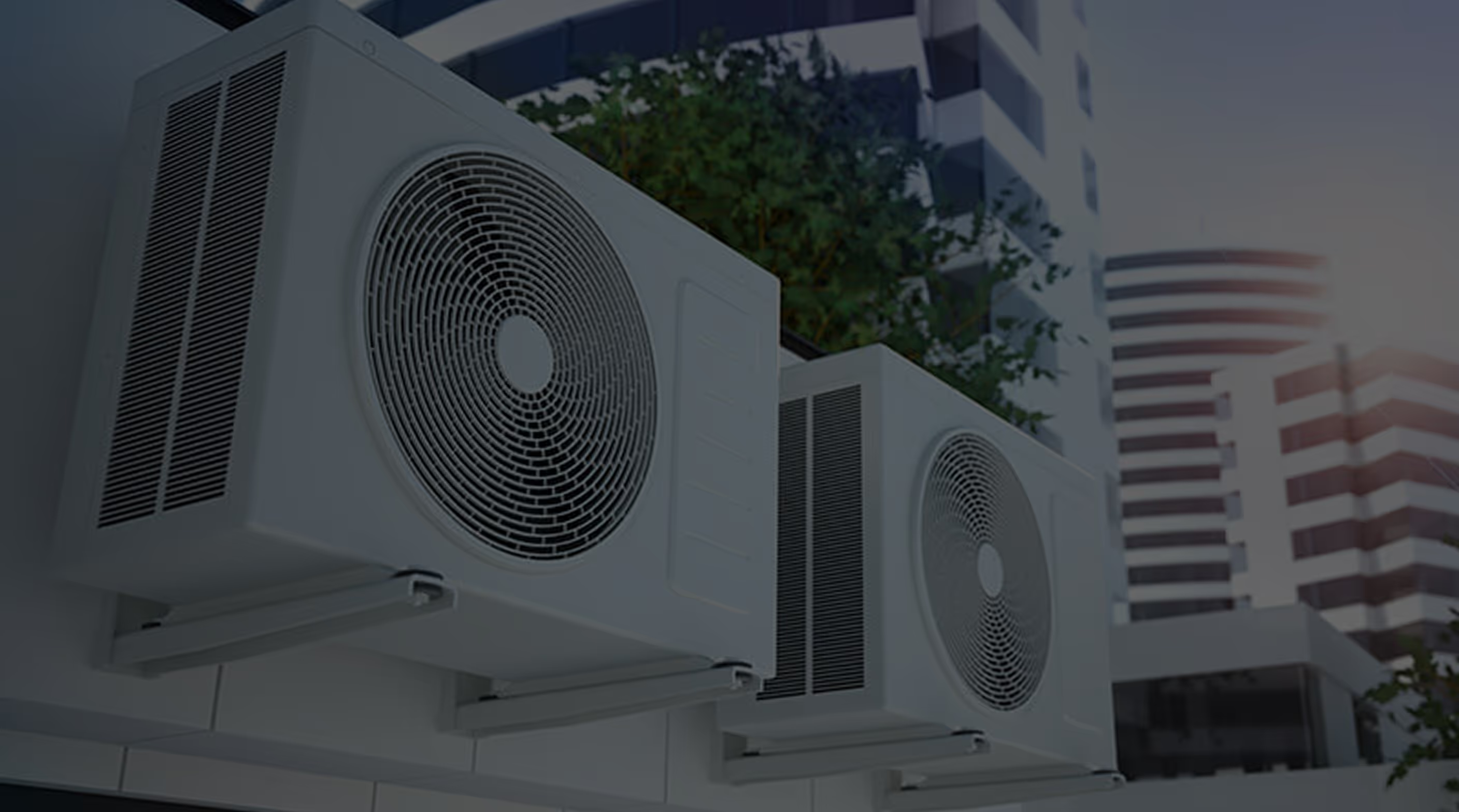
Heating Tune-up in San Mateo, CA
San Mateo residents, we know how important a reliable heater is for coastal homes. With a professional heating tune-up from Plum HVAC, you can prevent those frustrating mid-season breakdowns and keep your system running efficiently. Our service includes a thorough pre-season inspection, performance and efficiency testing, meticulous cleaning and adjustment of components, and crucial safety checks. We're here to catch those small issues before they turn into big, costly problems. By fine-tuning airflow, calibrating controls, and ensuring combustion safety, a Plum HVAC tune-up not only cuts down on energy use and boosts your comfort but also helps protect your warranty throughout the heating season. Think of it as an investment in a longer-lasting system and fewer emergency calls.

Heating Tune-up in San Mateo, CA
A professional heating tune-up in San Mateo, CA keeps your home warm, safe, and energy efficient during the cooler months. In San Mateo’s mild coastal climate, systems face unique stresses: frequent on-off cycling during cool evenings, salt air corrosion near the bay, and older home installations that were not designed for modern efficiency standards. A thorough pre-season tune-up addresses these issues, improves reliability, and helps reduce energy bills when you need heat most.
Common heating problems in San Mateo homes
- Inconsistent heating or short cycling during mild winters. Regular tune-ups reduce cycling caused by dirty components or improper controls.
- Reduced capacity from clogged filters, burner deposits, or restricted vents.
- Ignition failures or delayed starts that become more frequent as systems age.
- Corrosion or electrical connector issues caused by coastal humidity and salt air.
- Safety concerns like elevated carbon monoxide risk from incomplete combustion or blocked flues.
Understanding these common problems helps you prioritize a tune-up before the season begins rather than waiting for a breakdown when temperatures drop.
What a pre-season inspection includes
A pre-season inspection is a systematic check to identify performance, safety, and reliability issues. A typical inspection covers:
- Visual inspection of the heating unit, flue, and venting for corrosion, leaks, or physical damage.
- Verification of proper thermostat operation and calibration.
- Checking air filters, return grilles, and supply vents for restriction and proper airflow.
- Examination of electrical connections, controls, and safeties for wear or loose wiring.
- Inspection of burners, heat exchanger (for furnaces), and heat pump components for deposits or damage.
Each step is designed to find small problems before they become costly failures and to ensure the system operates as intended in San Mateo’s coastal environment.
Performance and efficiency testing
Performance testing quantifies how well your heating system delivers heat and how efficiently it does so. Typical tests include:
- Temperature rise or delta T measurement across the heat exchanger or furnace to confirm correct output.
- Combustion analysis for gas furnaces to ensure proper air-to-fuel ratio and safe combustion.
- System airflow checks to detect blockages, undersized ducts, or fan issues.
- For heat pumps, verifying refrigerant charge, reversing valve operation, and defrost cycles.
These tests identify inefficiencies that cause higher energy use or poor comfort. Addressing measured issues often leads to noticeable reductions in monthly heating energy use.
Cleaning and adjustment of components
Cleaning and precise adjustments restore peak function and reduce wear:
- Replace or clean filters and wash return grilles to restore airflow.
- Clean burners and pilot assemblies to improve ignition reliability.
- Remove dust and debris from blower assemblies and coils to prevent overheating and extend motor life.
- Lubricate moving parts where applicable and adjust belt tension or fan speed for proper airflow.
- Tighten electrical connections and replace worn capacitors or relays to prevent intermittent failures.
These actions improve efficiency, lower operating noise, and extend equipment life—especially important in San Mateo homes that often balance mild day temperatures with cool nights.
Safety and carbon monoxide checks
Safety is a top priority for any heating tune-up. Key safety checks include:
- Visual and instrument inspection of the heat exchanger for cracks or corrosion that could allow carbon monoxide into living spaces.
- Proper venting and draft tests to ensure combustion gases exit outdoors and are not drawn back into the house.
- Carbon monoxide sensor verification and recommendations for placement or replacement if sensors are faulty or missing.
- Gas line and connection checks for leaks and secure fittings.
Early detection of combustion or venting problems prevents hazardous conditions and gives peace of mind for you and your family.
Estimated duration of a typical tune-up
A standard heating tune-up in a single-family San Mateo home typically takes between 60 and 90 minutes for a complete inspection, testing, cleaning, and adjustments. Systems with additional complexities—such as multi-zone controls, older equipment requiring parts, or extensive ductwork checks—can take longer. Scheduling pre-season tune-ups reduces the chance of emergency visits during colder spells.
Recommended follow-up actions and frequency
- Annual tune-up: Most furnaces and heat pumps benefit from at least one professional tune-up per year, scheduled before the heating season starts.
- Replace filters every 1 to 3 months depending on family size, pets, and indoor air quality needs.
- Monitor CO detectors and replace batteries or units according to manufacturer guidance.
- Address recommended repairs promptly: deferred small repairs often lead to larger failures and higher energy use.
- For homes near the coast, consider corrosion-resistant hardware and periodic inspection of outdoor units for salt buildup.
Following these steps keeps systems operating reliably and helps avoid sudden breakdowns when you need heat.
How regular tune-ups improve reliability and lower energy bills
Regular tune-ups deliver measurable benefits:
- Improved efficiency: Cleaning and calibrating components reduces wasted energy and improves heat output, which lowers operating costs over time.
- Fewer breakdowns: Detecting and repairing small issues early prevents costly mid-season failures and extends equipment lifespan.
- Enhanced safety: Combustion and CO checks reduce the risk of dangerous conditions in homes.
- Better comfort: Proper airflow and system balance eliminate cold spots and deliver more consistent indoor temperatures.
- Warranty compliance: Many manufacturers require regular maintenance to keep warranties valid, protecting your investment.
In San Mateo, where seasonal swings and coastal effects influence equipment wear, these benefits are especially relevant. Regular maintenance keeps your system tuned for mild days and cooler nights without surprises.
Final considerations for San Mateo homeowners
A professional heating tune-up is more than routine maintenance. In San Mateo, it accounts for local climate challenges, preserves indoor comfort during the cooler months, and safeguards your family’s safety. Prioritizing pre-season inspection, testing, cleaning, and follow-up actions ensures your heating system runs efficiently, reliably, and safely year after year.
hear what our satisfied clients have to say

.svg)
Service areas
.avif)