

Heating Tune-up in Menlo Park, CA
In Menlo Park, CA, a heating tune-up from Plum HVAC is all about proactive care that truly boosts your home's comfort, safety, and efficiency. We meticulously inspect, clean, and calibrate your furnace, heat pump, and all related components. This comprehensive service helps us spot any issues developing before they become big problems, ensures your system is safe from carbon monoxide, and ultimately helps your equipment last longer. With Plum HVAC, regular annual or seasonal visits mean fewer unexpected breakdowns, optimized airflow, and better energy use. We'll show you exactly what we do, how often we recommend service, and the clear value of proactive maintenance for homes just like yours.
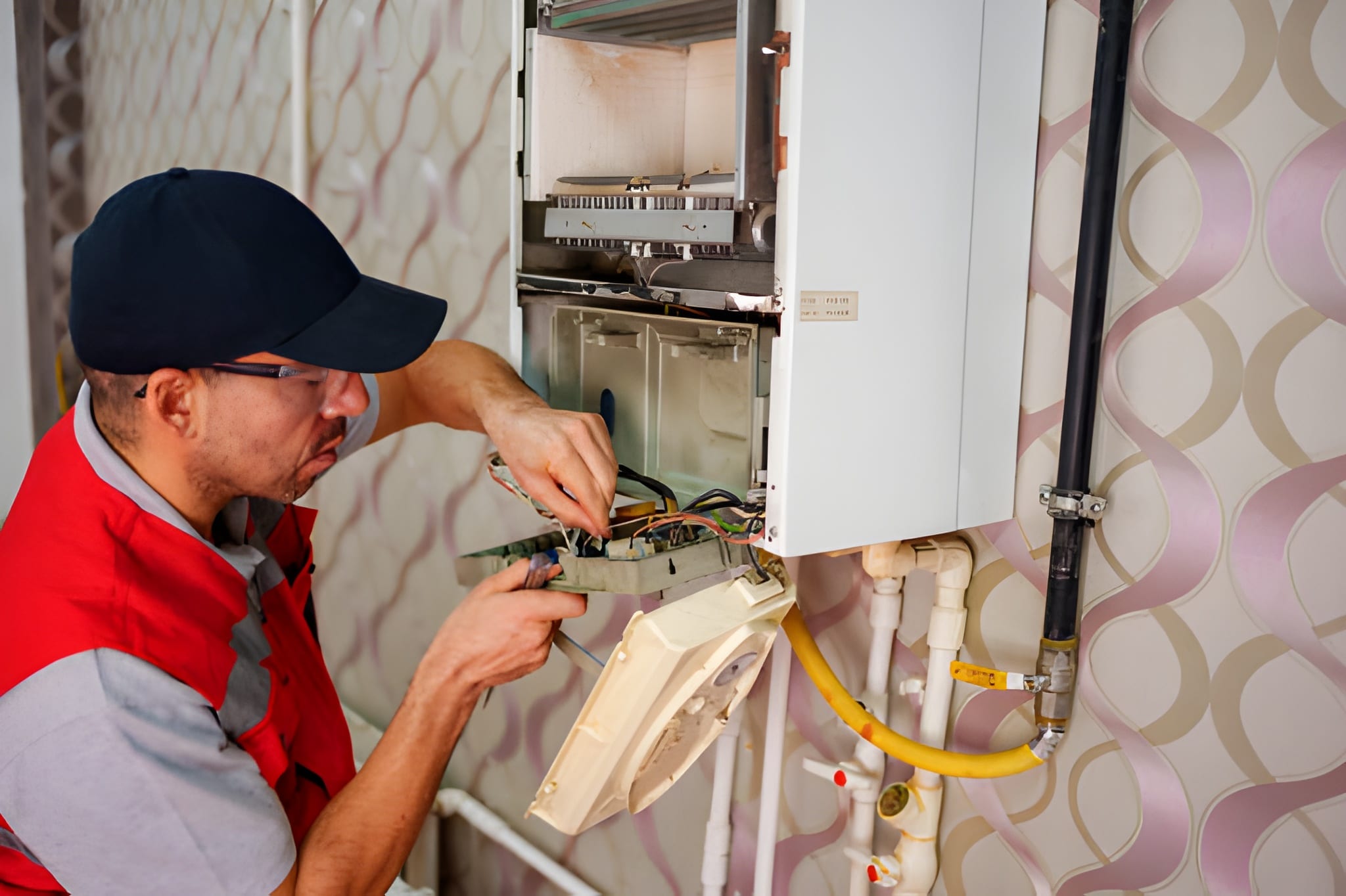
Heating Tune-up in Menlo Park, CA
A professional heating tune-up in Menlo Park, CA ensures your home stays comfortable and safe during the cooler months while helping your system run more efficiently. With Bay Area winters that bring chilly mornings, coastal fog, and occasional cold snaps, even systems that feel fine can be working harder than necessary. A tune-up addresses performance, uncovers developing faults before they cause breakdowns, and verifies safety components—especially important for gas furnaces and combustion appliances common in Menlo Park homes.
Why a tune-up matters for Menlo Park homes
- Local climate: Damp, foggy mornings increase corrosion risk and can affect combustion and flue assemblies on older furnaces.
- Energy costs: Even small efficiency gains reduce energy use in an area where homeowners prioritize sustainability and value predictable utility bills.
- Safety: Natural gas and older equipment pose carbon monoxide and combustion risks that need annual verification.
- System variety: Menlo Park homes may have high-efficiency gas furnaces, heat pumps, or hybrid systems. A tune-up tailored to your equipment preserves performance and longevity.
Common heating problems seen in Menlo Park
- Weak airflow or uneven heating caused by clogged filters, duct leaks, or failing fans.
- Noisy startup or operation from worn bearings, belts, or loose components.
- Short cycling from incorrect thermostat calibration or clogged condensate/drain lines.
- Reduced efficiency and higher bills due to dirty burners, buildup on heat exchangers, or improper system calibration.
- Safety concerns such as incomplete combustion, cracked heat exchangers, or malfunctioning carbon monoxide detectors.
What a comprehensive heating tune-up includes
A full heating tune-up inspects, cleans, tests, and calibrates system components to factory or industry standards. Typical tasks performed:
- System inspection: Visual and operational check of the furnace or heat pump, ductwork, vents, thermostat, and controls.
- Cleaning: Removal of dust and debris from burners, coils, fans, and accessible components to restore airflow and heat transfer.
- Calibration: Thermostat and control calibration to ensure accurate temperature readings and proper cycle lengths.
- Filter check and replacement: Confirming correct filter size and efficiency; replacing disposable filters or advising on reusable filter service.
- Safety and carbon monoxide checks: Testing for proper combustion, venting integrity, flue inspection, and CO measurement where applicable.
- Electrical and ignition testing: Verifying safe, reliable power and ignition sequence for gas furnaces; checking capacitors and contactors on heat pumps.
- Efficiency testing: Measuring temperature rise, static pressure, and system performance to benchmark output and identify losses.
- Lubrication and mechanical adjustment: Oiling motors and adjusting belts, pulleys, and moving parts for smooth operation.
- System documentation: Completing a checklist and noting recommended repairs or parts likely to fail near term.
Expected checklist outcomes after a tune-up
A completed tune-up should provide clear, actionable outcomes you can verify:
- Filter replaced or certified clean with recommended replacement schedule noted.
- Thermostat calibrated and time/temperature schedule verified.
- Measured combustion and CO levels within safe ranges, with any ventilation issues documented.
- Improved airflow and consistent room-to-room comfort verified by airflow checks and vents inspection.
- Manufacturer or industry-recommended clearances and safety controls confirmed to be operational.
- An efficiency assessment with baseline measurements recorded for future comparisons.
- A prioritized list of recommended repairs, parts replacements, or ductwork actions if issues were found.
Recommended frequency
- Annual heating tune-up: Recommended for most gas furnaces and heat pumps before the heating season (late summer to early fall for Menlo Park timing).
- Biannual service for heat pumps: If a heat pump handles both heating and cooling year-round, two inspections per year (spring and fall) catch seasonal wear from both modes.
- More frequent checks when: Your system is older than 15 years, you have a history of frequent service calls, or you notice reduced performance or safety warnings.
Estimated duration
- Standard gas furnace tune-up: Typically 60 minutes for a straightforward inspection and basic cleaning.
- Heat pump tune-up: Usually 60 to 90 minutes, depending on accessibility and whether refrigerant checks are needed.
- Complex systems or multi-zone ductwork: 90 minutes to 2 hours for full diagnostics and adjustments.Actual time varies by system age, accessibility, and the scope of issues uncovered during inspection.
What affects cost planning
While specific pricing varies, plan for variability based on:
- Equipment type and age: Older systems often need more parts or labor.
- Accessibility: Attic or crawlspace installations add time.
- Required repairs: Safety repairs, valves, or controls increase service time and parts needs.Provide a budget-minded expectation that a tune-up is an investment to reduce larger, unexpected repair costs later.
Benefits of regular tune-ups
- Improved performance: Restores proper airflow, heat output, and cycle times for consistent comfort.
- Energy efficiency: Cleaner components and correct calibration lower energy consumption and can extend equipment life.
- Reduced risk of breakdown: Early detection of failing components prevents inconvenient and costly mid-winter failures.
- Enhanced safety: Regular CO and combustion checks reduce the risk of hazardous leaks and detect ventilation issues.
- Documentation for warranties and home resale: Regular service records support warranty claims and demonstrate system care for buyers.
Seasonal tune-up plans and what they include
Seasonal tune-up plans geared to Menlo Park homeowners typically bundle preventive services into predictable annual or biannual programs. Common plan elements:
- Scheduled seasonal inspections with reminders timed to Menlo Park heating and cooling cycles.
- Priority scheduling during peak season to reduce wait times when temperatures drop.
- Routine filter replacement or delivery options to keep filters current across seasons.
- Discounted diagnostic rates and parts pricing for plan members to reduce out-of-pocket costs when repairs are needed.
- Service history tracking and baseline performance records to monitor system health over time.
Signing onto a seasonal plan is an effective way to ensure tune-ups occur before the heating season, help budget for maintenance, and reduce the chance of emergency repairs during colder spells. Regular maintenance tailored to local climate conditions in Menlo Park preserves comfort, improves efficiency, and protects household safety.
Maintenance tips between tune-ups
- Replace or clean filters monthly to maintain airflow and indoor air quality.
- Keep vents and returns clear of furniture or drapes to avoid restricted airflow.
- Test carbon monoxide detectors monthly and change batteries per manufacturer guidance.
- Note unusual sounds, odors, or cycling patterns and document them for the next inspection.
A properly executed heating tune-up delivers measurable comfort, safety, and efficiency improvements for Menlo Park homes. Regular maintenance aligned with local climate patterns protects your system, reduces surprises, and keeps your heating equipment operating as designed.
hear what our satisfied clients have to say

.svg)
Service areas
.avif)