
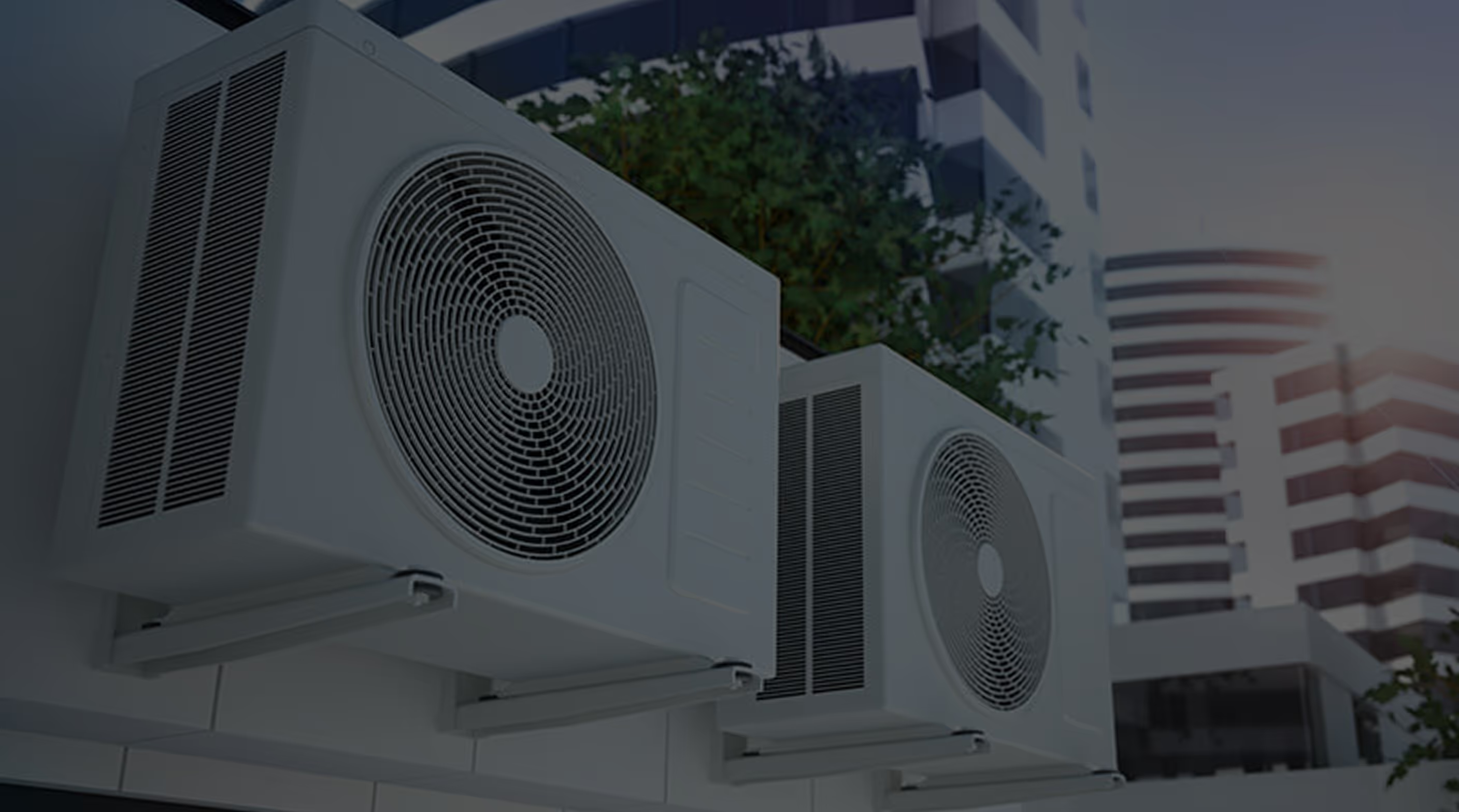
Heating Tune-up in Foster City, CA
Foster City residents can protect their heating systems with a thorough tune-up from Plum HVAC that addresses local conditions, including salty air, humidity, and seasonal demand. Our professional service follows a detailed inspection sequence, cleaning burners, checking heat exchangers, testing safety devices, calibrating controls, and assessing ductwork for optimal airflow. The Plum HVAC process targets reliability, efficiency, and safety, reducing emergency calls and extending equipment life. Expect improved comfort, documented findings, and expert guidance on maintenance and repairs, typically completed within about an hour.

Heating Tune-up in Foster City, CA
A professional heating tune-up in Foster City, CA keeps your furnace or heat pump running safely, efficiently, and reliably through the Bay Area winter months. With mild but damp winters, salt air from the bay, and the occasional cold snap, regular tune-ups address local stressors that reduce performance and shorten system life. If you want predictable comfort, lower utility costs, and fewer emergency repairs in your Foster City home, a comprehensive heating tune-up is the practical next step.
Why a heating tune-up matters for Foster City homes
Foster City homes experience marine influence, higher humidity, and salt exposure compared with inland locations. Those conditions accelerate corrosion on metal parts, promote debris accumulation in outdoor units, and can affect control electronics over time. A tune-up:
- Restores efficiency lost to dirty burners, clogged filters, and restricted airflow.
- Reduces safety risks from cracked heat exchangers, faulty safety controls, or improper combustion.
- Improves reliability so systems start and cycle correctly during cold mornings and evening heating periods.
- Helps preserve warranty coverage by meeting manufacturer maintenance requirements.
What a professional heating tune-up includes
A thorough tune-up follows a systematic inspection and service sequence so technicians identify current problems and prevent near-term failures. Core elements typically include:
- Visual and operational inspection
- Check system startup, cycling, and thermostat calibration.
- Verify proper venting and combustion air pathways.
- Cleaning burners and combustion components
- Remove soot, debris, and deposits that impair combustion and efficiency.
- Heat exchanger inspection
- Inspect for cracks, corrosion, and signs of combustion leakage.
- Safety device testing
- Test limit switches, flame sensors, pressure switches, and gas valves for correct operation.
- Controls and thermostat calibration
- Verify setpoints, sensor accuracy, and control response for consistent comfort.
- Filter inspection and recommendations
- Check filter condition, replace or recommend appropriate MERV rating for the home.
- Ductwork and airflow assessment
- Inspect supply and return ducts for disconnections, leaks, insulation gaps, and restrictions that hurt airflow and comfort balance.
- Electrical and blower system checks
- Tighten terminals, inspect capacitors and motors, and clean blower components to restore proper air delivery.
- Safety and combustion testing (for gas systems)
- Measure combustion gases and check for proper fuel-air mixture and safe exhaust.
- Recommendations and documentation
- Provide a written summary of findings, remaining life estimates for major components, and suggested repairs or upgrades.
Common heating tune-up issues in Foster City
Understanding typical local problems helps homeowners prioritize service and repair options:
- Corroded outdoor components and fasteners due to salt air exposure.
- Reduced airflow from clogged ducts and filters in tightly sealed modern homes.
- Intermittent cycling caused by dirty burners, failing thermostats, or blocked vents.
- Moisture-related control failures or corrosion in electrical connections.
- Heat exchanger wear accelerated by frequent short cycling and deferred maintenance.
Diagnostic approach and what technicians will do
Technicians begin with system history and present complaints, then follow a diagnostic sequence to pinpoint causes rather than guesswork. Expect:
- System startup under observation, with checks of voltage, amperage, and blower performance.
- Thermostat verification using calibrated tools to compare set temperature vs actual output.
- Combustion analysis for gas systems to confirm safe combustion and correct CO2/CO balance.
- Duct pressurization or static pressure checks where airflow or room-by-room comfort issues are reported.
- Sequential testing of safety interlocks to ensure shutdown functions operate under fault conditions.
This methodical approach reduces unnecessary repairs and ensures the tune-up yields measurable improvements.
Expected outcomes after a tune-up
A professional heating tune-up should deliver tangible benefits for your Foster City home:
- Improved efficiency and reduced heating runtime thanks to cleaner combustion and optimized airflow.
- Greater safety through tested and verified safety devices and combustion performance.
- Enhanced reliability with fewer unexpected breakdowns during cold periods.
- Quieter operation after blower and component cleaning and balancing.
- Clear documentation that supports warranty claims and long-term maintenance planning.
Estimated duration
A complete residential heating tune-up typically takes about 60 to 90 minutes for a single system when no major repairs are needed. Larger homes, multi-zone systems, or units requiring additional cleaning or diagnostics can extend the visit.
Tune-ups, maintenance plans, and warranties
Regular tune-ups are often required under manufacturer warranty terms to maintain coverage for major components. A documented annual tune-up:
- Satisfies many warranty stipulations for furnaces and heat pumps.
- Provides a maintenance record that proves reasonable care if a future warranty claim arises.
- Integrates naturally into subscription-style maintenance plans that provide scheduled service, priority visits, and planned replacements. For homeowners who prefer predictable care, a maintenance plan bundles tune-ups with safety inspections, seasonal checks, and discounts on repairs.
When to schedule a tune-up
- Before the heating season begins to ensure safe and efficient operation.
- If you notice reduced heat, uneven comfort, strange noises, or increased utility bills.
- After any significant repair, component replacement, or if your system has gone unused for an extended time.
- As required by your equipment warranty schedule to maintain coverage.
Final considerations for Foster City homeowners
A heating tune-up is both a safety check and a performance investment. In Foster City, local conditions such as bay salt exposure and damp winters make routine maintenance especially valuable to avoid corrosion-related failures and to keep systems running efficiently. Properly documented tune-ups preserve warranty eligibility and provide a clear roadmap for future repairs or upgrades, helping you protect comfort and home value year after year.
hear what our satisfied clients have to say

.svg)
Service areas
.avif)