Heating Tune-up in Belmont, CA
Plum HVAC explains the importance of a professional heating tune-up in Belmont, CA, detailing how our thorough service cleans, inspects, tests, and adjusts your heating system to restore peak winter performance. We outline common Belmont issues and the comprehensive tasks we perform (burners, ignition, thermostat calibration, duct checks, safety and CO testing). The typical 45-90 minute duration for single-zone systems is explained, along with the expected benefits: lower bills, greater reliability, improved safety, longer equipment life, and preserved warranty coverage. Overall, Plum HVAC strongly emphasizes preventive maintenance for your home.
Heating Tune-up in Belmont, CA
A seasonal heating tune-up is the single most effective preventive step Belmont homeowners can take to ensure reliable, efficient, and safe heating during the cooler, damp months. Even though Belmont winters are milder than inland California, coastal fog, higher humidity, and frequent morning chill mean furnaces and heat pumps still work hard. A professional tune-up targets the common causes of breakdowns, restores system efficiency, and reduces safety risks like carbon monoxide leaks and electrical faults.
Common heating problems in Belmont homes
- Reduced heat output or weak airflow — often caused by dirty burners, clogged filters, or blocked vents.
- Short cycling or frequent on/off cycles — caused by thermostat issues, oversized equipment, or airflow restriction.
- Uneven temperatures between rooms — poor duct sealing or imbalanced airflow.
- Strange smells or burning odors — dust burning off after long idle periods or electrical overheating.
- Noisy operation — loose components, worn blower motors, or unbalanced fans.
- Yellow pilot flame, soot, or visible corrosion — signs that combustion is not correct and needs immediate attention.
These issues become more noticeable in Belmont when morning fog and humidity interact with older equipment or poorly sealed ductwork.
What a heating tune-up includes
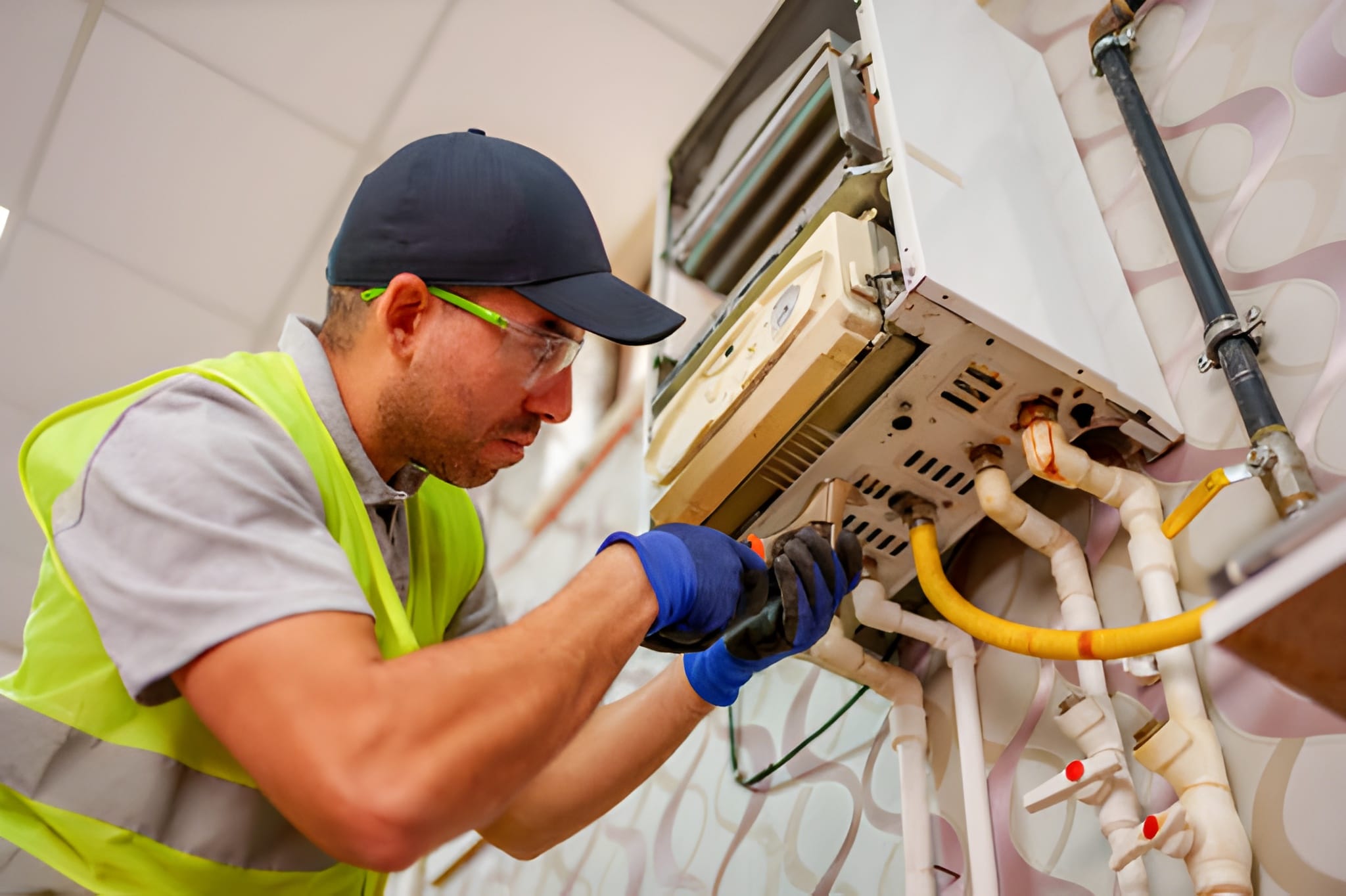
A thorough tune-up is a systematic combination of cleaning, inspection, testing, and minor adjustments. Typical tasks include:
- Cleaning burners and coils
Remove soot, dust, and debris so combustion is clean and efficient and heat transfer is restored. - Checking ignition and safety controls
Inspect and test the ignition system, flame sensors, limit switches, and safety interlocks to ensure safe startup and operation. - Calibrating the thermostat and controls
Verify thermostat accuracy and control logic so your system cycles correctly and maintains set temperatures without wasting energy. - Inspecting ductwork and airflow
Look for disconnected ducts, leaks, crushed runs, and blocked vents that reduce system efficiency and comfort. - Checking gas and electrical connections
Tighten electrical terminals, inspect wiring for wear, and confirm gas pressure and connections are safe and correct. - Lubricating moving parts and checking belts
Reduce friction and wear to prevent noise and premature motor failure. - Inspecting the heat exchanger and venting
Visual check for cracks or corrosion and confirm flue and venting routes are clear to prevent dangerous combustion byproducts from entering living spaces. - Testing for carbon monoxide and combustion efficiency
Measure combustion quality and check for CO to detect unsafe operation before it becomes an emergency.
Each task is performed with an eye toward restoring peak winter performance and catching minor issues before they become costly repairs.
Diagnostic process — what the technician will do
- Initial system walkthrough to note system age, previous issues, and homeowner concerns.
- Power down and safety inspection to ensure safe access.
- Component cleaning (burners, coils, flame sensors, filters).
- Operational tests including ignition cycles, blower speeds, and thermostat response.
- Airflow and duct checks to measure register temperatures and identify imbalances.
- Combustion and CO tests to confirm safe fuel burning and proper venting.
- Final run and verification to ensure smooth, quiet operation across conditions.
- Written report with findings and recommended next steps so you understand condition and priority of any repairs.
Typical tune-up duration for a single-zone forced-air system is about 45 to 90 minutes depending on system condition and home accessibility. Larger systems, multi-zone setups, or complicated duct layouts require more time.
Benefits of regular heating tune-ups in Belmont
- Lower energy bills through restored efficiency and reduced runtime.
- Greater reliability so your system performs on chilly mornings without unexpected breakdowns.
- Improved safety by identifying combustion or electrical issues and verifying venting and CO levels.
- Longer equipment life because maintenance reduces wear on motors, burners, and controls.
- Better indoor air quality when ducts, coils, and filters are cleaned and moisture-related issues are identified.
- Preserved warranty coverage since many manufacturers require annual maintenance to keep warranties valid.
Belmont homeowners see particular value from tune-ups because regional humidity can accelerate corrosion and mold growth in HVAC components and ductwork. Catching those issues early preserves indoor comfort and prevents costly replacements.
Recommended frequency and special circumstances
- Annual tune-up before winter is recommended for most furnaces and heat pumps to prepare for peak use.
- Semi-annual checks may be warranted for older systems (10 years or older), high-use households, or if you have had recurring problems.
- After long idle periods (for example, if a property was vacant during summer) schedule a tune-up before relying on the system.
- When buying a home or after major renovations, inspect and tune the heating system before winter to verify safe, efficient operation.
What to expect during your appointment
- Technician arrival with tools and safety equipment.
- Quick homeowner walkthrough to hear any specific concerns.
- Work area cleared and components accessed; homeowner should ensure access to the furnace/air handler and thermostat.
- Completion of inspections, cleaning, tests, and a final operational demonstration.
- A concise report describing observed conditions, prioritized recommendations, and any follow-up items.
Homeowner preparedness: make sure the furnace area is accessible, know the furnace model/year if possible, and replace or have on hand the recommended filter size to expedite service.
Simple maintenance tips between tune-ups
- Replace or clean filters every 1 to 3 months depending on use and filter type.
- Keep vents and registers free of furniture and obstructions.
- Maintain consistent thermostat settings and avoid wide swings that force extra cycling.
- Test carbon monoxide detectors monthly and replace batteries annually.
- Seal visible duct leaks and insulate accessible duct runs in unconditioned spaces to preserve efficiency.
Regular homeowner care plus an annual professional tune-up is the most cost effective way to keep your heating system safe, efficient, and reliable.
A professional heating tune-up in Belmont, CA prepares your system for peak winter performance by improving efficiency, reducing the risk of failure on cold mornings, and safeguarding your household from combustion-related hazards. Scheduling regular maintenance tailored to local conditions helps protect comfort and investment year after year.
hear what our satisfied clients have to say

.svg)
Service areas
.avif)