

Heating Tune-up in Atherton, CA
Plum HVAC offers heating tune-ups in Atherton, CA to help ensure reliable, efficient operation by identifying hidden problems before they cause frustrating breakdowns. A comprehensive service covers inspection, cleaning, airflow assessment, thermostat calibration, safety testing, and performance tuning, all with detailed reporting and prioritized recommendations. With Plum HVAC, homeowners gain improved comfort, lower energy use, and a reduced risk of emergency repairs. We provide clear scheduling guidance and typical duration, with recommendations for annual maintenance and seasonal checks to maintain older or high-value systems in Bay Area homes.
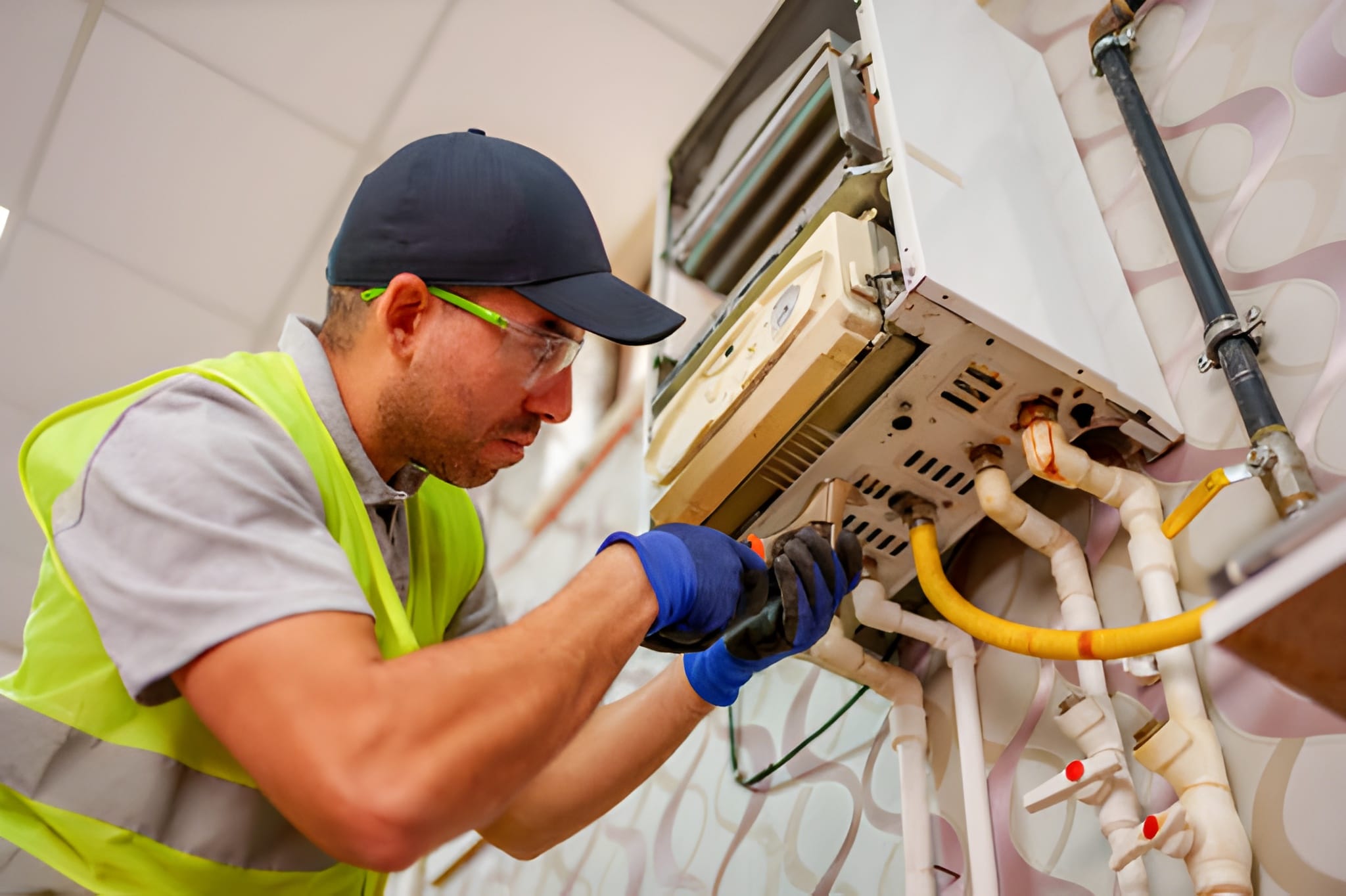
Heating Tune-up in Atherton, CA
Keeping your heating system running reliably and efficiently is important even in Atherton, CA, where winters are generally mild. A professional heating tune-up addresses unseen problems before they become breakdowns, optimizes performance for lower energy use, and verifies safety for homes that often feature higher-value HVAC systems and older construction. This page explains what a thorough heating tune-up includes, common issues seen in Atherton homes, the diagnostics and repairs performed, and what you can expect after service.
Why a heating tune-up matters in Atherton, CA
Even though heating demand is lower than inland areas, Atherton homes face specific factors that make annual tune-ups valuable:
- Coastal humidity and fog can accelerate corrosion on outdoor components and affect electrical contacts.
- Many local homes are larger or older, increasing the chance of duct leaks, outdated thermostats, or legacy equipment that needs closer inspection.
- Higher energy prices and modern efficiency expectations make even small performance gains worth pursuing.Annual or biannual tune-ups reduce the risk of midwinter failures, improve comfort consistency, and help extend equipment life.
Common heating tune-up issues in Atherton, CA
Homes in Atherton commonly experience:
- Reduced airflow from dirty filters, ducts, or failing blower motors
- Uneven heating between rooms due to duct leaks, balancing issues, or thermostat placement
- Incomplete combustion or soot buildup in gas furnaces from lack of cleaning
- Short cycling or inefficient operation caused by miscalibrated thermostats or improper refrigerant/combustion settings
- Corroded burners, coils, electrical connections, or outdoor components exposed to fog and coastal air
What a comprehensive heating tune-up includes
A full tune-up goes beyond a quick visual check. Technicians inspect, test, clean, and report on every system component that affects safety, reliability, and efficiency.
Inspection and basic cleaning
- Visual inspection of heat exchanger, burners, coils, and combustion chamber
- Cleaning of burners, flame sensor, and accessible combustion passages
- Cleaning or vacuuming of blower assembly and accessible duct openings
Airflow, filters, and duct assessment
- Check and measure airflow at registers and return grilles
- Inspect filters and recommend type and MERV rating for your home
- Look for obvious duct disconnections, crushed runs, or insulation issues
Thermostat calibration and controls
- Verify thermostat settings and calibrate where needed for accurate temperature control
- Inspect wiring and programmable schedules for compatibility with system demands
Safety and efficiency testing
- Combustion testing and CO check on gas-fired equipment to confirm safe operation
- Heat rise and temperature differential measurements to verify furnace performance
- Electrical safety checks including motor amps, capacitor condition, and secure connections
System performance tuning
- Adjust gas pressure, pilot or ignition settings, and burner calibration for optimal burn
- Verify refrigerant charge on heat pumps or hybrid systems if present
- Lubricate moving parts and tighten fasteners as needed
Recommendations and minor replacements
- Recommend filter size and replacement schedule
- Suggest replacement of worn components such as capacitors, belts, or ignitors when beyond service limits
- Provide prioritized list of repairs that affect safety, efficiency, or reliability
Detailed checklist of work performed
- Inspect heat exchanger for cracks or visible damage
- Clean burners and flame sensor
- Check and replace or clean air filter as appropriate
- Inspect and clean blower wheel and motor housing
- Test and calibrate thermostat and control board
- Measure combustion gases and CO levels on gas equipment
- Measure system airflow and static pressure where indicated
- Inspect ducts for visible leaks and insulation failures
- Check electrical connections, voltage, and motor amperage
- Inspect flue and venting for blockage or corrosion
- Lubricate motors and moving components as needed
- Provide written notes on system condition and recommended next steps
Expected outcomes after a tune-up
After a complete heating tune-up you should notice:
- More consistent indoor temperatures and improved airflow
- Quieter operation from balanced airflow and tightened components
- Improved efficiency that can translate to lower energy bills
- Reduced risk of emergency repairs and longer equipment life
- Verified safety through combustion and CO testing on gas systems
While exact energy savings depend on system age and condition, routine maintenance typically restores lost efficiency from dirty components and poor calibration.
Recommended filters and component replacements
- Filters: Use filters rated for both airflow and filtration needs. For many Atherton homes, a high-quality pleated filter in the MERV 8 to MERV 11 range balances air quality and system performance. Higher MERV ratings may require evaluation for airflow impact.
- Common component replacements to consider: ignition sensors or hot surface ignitors, capacitors, blower belts (if applicable), aging thermostats (consider upgrading to a programmable or smart thermostat for better control), and corroded outdoor components on heat pumps.Technicians will prioritize replacements that affect safety first, then efficiency and comfort.
Scheduling information and what to expect
- Best timing: Schedule your heating tune-up in early fall before the heating season begins. For heat pumps, a spring check can also be beneficial if the system handles cooling for much of the year.
- Appointment length: Most tune-ups take 60 to 120 minutes depending on system complexity and findings.
- Homeowner preparation: Ensure clear access to the furnace or air handler, remove stored items near equipment, and have thermostat settings accessible. Plan to be home for systems that require thermostat adjustments or homeowner input.
- Frequency: Annual tune-ups are recommended for gas furnaces, boilers, and heat pumps. Homes with heavy use or older equipment may benefit from semiannual checks.
Maintenance tips for Atherton homes
- Replace filters seasonally at minimum, or more often if pets or high dust levels are present.
- Keep outdoor units clear of debris and trimmed vegetation, especially after winter storms and foggy seasons.
- Monitor for unusual odors, persistent dust, or fluctuating temperatures and schedule inspections promptly to avoid larger repairs.
- Consider a thermostat upgrade for zoning or improved scheduling that reduces runtime while maintaining comfort.
A professional heating tune-up in Atherton, CA reduces the chance of unexpected failures, improves comfort, and helps control energy costs while confirming safe operation. Regular maintenance protects your investment and keeps systems running smoothly through the mild but variable Bay Area winters.
hear what our satisfied clients have to say

.svg)
Service areas
.avif)