
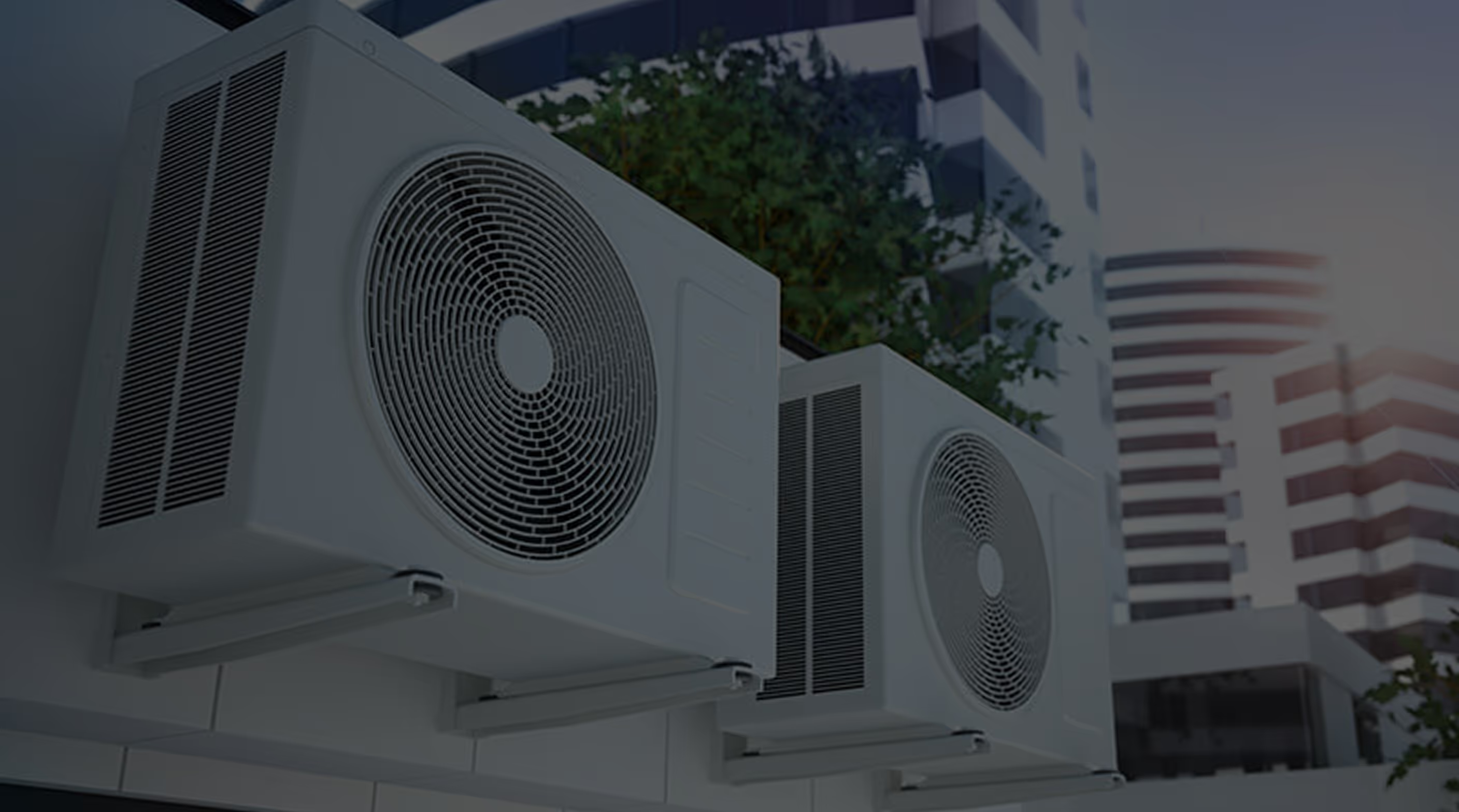
Heating Replacement in San Bruno, CA
San Bruno homeowners facing a heating replacement will discover when replacement is warranted, how a professional assessment determines the right system, and the tradeoffs between furnaces and heat pumps for coastal California homes. Our guide covers removal and disposal, installation timelines, warranties, financing, and post-install testing to ensure safe, efficient operation. We highlight energy efficiency, right-sizing, and maintenance practices that maximize comfort, reduce costs, and support long-term reliability in mild, humid coastal climates for homeowners today.
.jpeg)
Heating Replacement in San Bruno, CA
Replacing your home heating system is a major decision that affects comfort, energy bills, and long term reliability. In San Bruno, CA, where winters are generally mild but humidity and coastal fog can affect comfort and equipment performance, choosing the right replacement system and a proper installation matters. This page explains when replacement is appropriate, how a professional assessment guides the right choice, the pros and cons of furnaces versus heat pumps for local homes, and what to expect from removal, installation, warranties, financing, and post-install testing.
When it is time to replace your heater
Recognizing the right time for a full heating replacement prevents emergency failures and hidden inefficiency. Common signs you may need heating replacement in San Bruno, CA:
- System age of 12 to 15 years or more with decreasing efficiency
- Frequent repairs or rising service calls within a short period
- Noticeably higher energy bills in cooler months despite similar thermostat settings
- Uneven heating across rooms, short cycling, or weak airflow
- Persistent strange noises, odors, or a pilot light that changes color (for gas units)
- Carbon monoxide alarm triggers or combustion safety concerns
- System uses outdated refrigerants or components no longer supported by manufacturers
Because San Bruno homes often have lower heating loads than inland areas, an aging system can be especially wasteful through short cycling. Timely replacement improves comfort and reduces operating costs.
Professional home assessment and load calculations
A proper replacement starts with a professional home assessment, not just an equipment swap. Key steps include:
- Manual J load calculation to size the heating system accurately for your home
- Duct inspection and Manual D recommendations if ductwork is present
- Evaluation of insulation, windows, and air leaks that affect heating needs
- Electrical and gas service review to confirm compatibility with modern equipment
- Assessment of ventilation and indoor air quality needs
In San Bruno, accurate sizing matters because oversizing leads to short run times that reduce efficiency and comfort in mild coastal climates. A qualified assessment ensures right-sizing, better humidity control, and improved longevity.
Energy-efficient model recommendations
Energy efficiency metrics to consider:
- For furnaces: AFUE rating, modulating burners, variable-speed blower motors
- For heat pumps: HSPF (heating efficiency), SEER for cooling when combined, inverter-driven compressors, and cold-climate ratings if relevant
- Ducted versus ductless options depending on your home layout and duct condition
- Integrated controls and compatibility with smart thermostats for demand management
In San Bruno, high-efficiency heat pumps are often an excellent choice because the climate favors all-electric heating. Look for variable-capacity heat pumps with good low-noise performance and multi-speed fans to handle the coastal moisture without oversizing.
Furnace vs heat pump comparison for San Bruno homes
Understanding tradeoffs helps make the right decision for your priorities.
Furnace (gas)
- Pros: Fast warm-up, familiar technology, effective in very cold snaps
- Cons: Ongoing fossil fuel use, higher emissions, less aligned with California electrification goals, potential combustion safety checks
Heat pump (air-source or ductless)
- Pros: Highly efficient in mild climates, provides both heating and cooling, lower operating carbon footprint when paired with clean electricity, eligible for many electrification incentives
- Cons: Higher upfront cost in some cases, performance varies with very cold weather (less of an issue in San Bruno), potential ductwork modifications for optimal performance
For San Bruno, heat pumps often deliver the best balance of efficiency, comfort, and long-term cost predictability, while modern high-efficiency furnaces remain a solid option if home electrification is not feasible.
Removal and disposal of old equipment
Safe removal is a regulatory and environmental requirement. Proper steps include:
- Disconnecting fuel and electrical supplies with permit and inspection as required
- Reclaiming and disposing of refrigerants according to environmental rules if replacing an HVAC system with refrigerant-based equipment
- Recycling metal and salvaging reusable components where possible
- Proper disposal of oil or gas combustion byproducts and old filters
Local code compliance and documentation are part of a responsible replacement to avoid future liabilities.
Installation process and expected timeline
Typical replacement workflow and timing:
- Initial assessment and load calculations (1 visit)
- Permitting and equipment ordering (timing depends on models and local permit cycles)
- Installation day(s): most single-family replacements complete in 1 to 3 days depending on complexity
- Ductwork modifications, electrical upgrades, or gas line work may extend the timeline by a day or two
- Final inspections and system commissioning
Factors that extend timelines include complex duct redesign, structural penetrations, or long permit processing times. Expect clear scheduling around these variables.
Post-installation testing and commissioning
After installation, thorough testing ensures safe and efficient operation:
- Airflow and duct balancing to match load calculations
- Combustion safety and carbon monoxide checks for gas systems
- Refrigerant charge verification and leak checks for heat pumps
- Thermostat calibration and programming for optimal comfort and efficiency
- System startup and performance demonstration for homeowners
These steps confirm the system performs to specification and that you understand operation and maintenance basics.
Warranties and service expectations
Replacement systems include two warranty layers:
- Manufacturer warranty covering major components (compressor, heat exchanger, etc.)
- Labor or installer warranty covering workmanship for an agreed period
Warranty coverage often depends on proper installation, timely registration, and adherence to recommended maintenance schedules. Ask about extended parts warranties and what routine maintenance is required to keep warranties valid.
Financing and rebate assistance
Replacing a heating system is an investment. Common support options:
- Utility and state incentives for high-efficiency or all-electric heat pumps and equipment upgrades
- Local financing programs or lender options designed for energy efficiency upgrades
- Assistance with paperwork and documentation to qualify for rebates or tax credits
In San Bruno, many homeowners are able to offset upfront costs through incentive programs aimed at reducing greenhouse gas emissions. An installer familiar with local programs can help identify likely opportunities and required documentation.
Long-term benefits and maintenance tips
A properly selected and installed replacement system delivers lasting value:
- Improved year-round comfort and more consistent temperatures
- Lower energy bills and reduced environmental impact when upgrading to efficient equipment
- Better indoor air quality and reduced maintenance headaches
- Increased home value through modern, efficient heating solutions
Simple maintenance tips to protect your investment:
- Replace filters regularly and follow manufacturer filter schedules
- Schedule annual tune-ups for combustion and airflow optimization
- Keep outdoor units free of debris and maintain clearances
- Monitor for unusual noises, odors, or performance changes and address them early
A carefully planned heating replacement in San Bruno, CA provides reliable comfort, aligns with regional energy goals, and reduces long-term operating costs when guided by proper assessment, right-sizing, and professional installation.
hear what our satisfied clients have to say

.svg)
Service areas
.avif)