
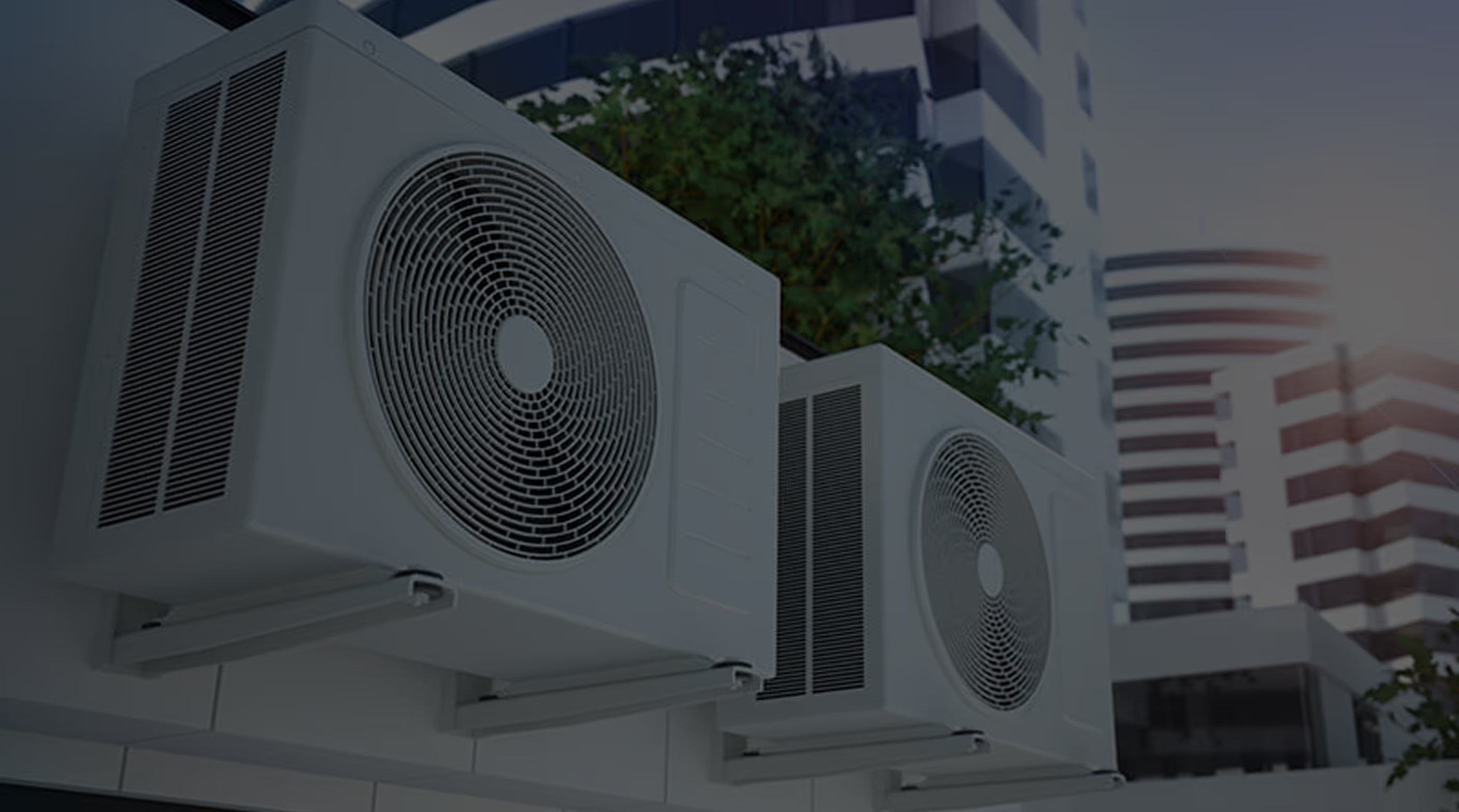
Heating Maintenance in Palo Alto, CA
Heating maintenance for Palo Alto, CA homes is clearly explained here. We outline common issues such as clogged filters and corroded venting, detail a thorough tune-up checklist, provide a stepwise diagnostic and service process, and explain how preventative care protects your warranties and extends equipment life. We also provide suggested service intervals, describe typical Plum HVAC maintenance agreements, and offer season-specific tips to keep your heat pumps, furnaces, and hybrids reliable. We emphasize critical safety checks, performance benchmarking, and detailed documentation that supports any warranty claims.

Heating Maintenance in Palo Alto, CA
Keeping your heating system running reliably and efficiently is essential for comfort, safety, and equipment longevity in Palo Alto, CA. Even though local winters are relatively mild, Pacific Coast fog, seasonal temperature swings, and periodic wildfire smoke create conditions that make routine heating maintenance important. This page outlines the common heating maintenance tasks, a practical tune-up checklist, diagnostic and service processes, the concrete benefits of preventive care, recommended service intervals, and what to expect from a maintenance agreement in Palo Alto homes.
Why regular heating maintenance matters in Palo Alto, CA
Palo Alto homes often rely on heat pumps, furnaces, or hybrid systems that are used intermittently through fall, winter, and early spring. Systems that sit idle for months can develop clogged filters, stuck controls, or corrosion in venting. Wildfire smoke in late summer and fall deposits fine particulates that accelerate filter clogging and reduce indoor air quality. Regular maintenance keeps systems operating safely, reduces energy waste, preserves manufacturer warranties, and extends equipment life so you avoid unexpected mid-season failures.
Common heating maintenance issues in Palo Alto
- Clogged air filters and reduced airflow from seasonal dust and smoke
- Corroded venting or flue components from coastal humidity
- Weak ignition or delayed pilot in older gas furnaces after long idle periods
- Low refrigerant or malfunctioning reversing valves on heat pumps
- Dirty blower wheels and motors leading to reduced heat transfer
- Thermostat miscalibration or poor placement causing short cycling
- Duct leaks or insulation gaps common in older Bay Area homes
- Carbon monoxide risk from cracked heat exchangers or blocked vents
Understanding these regional tendencies helps prioritize the inspections and fixes that protect comfort and safety year round.
Heating tune-up checklist (what a full service includes)
A professional heating tune-up for systems in Palo Alto typically follows a detailed checklist. Key items include:
- Visual inspection of the entire system and surrounding area
- Replace or clean air filters and note filter type for future service
- Inspect and clean burners, pilot assembly, and ignition systems (gas furnaces)
- Heat exchanger inspection for cracks or corrosion (safety critical)
- Combustion analysis and gas pressure check where applicable
- Verify flue and venting routes are free of obstructions and properly sealed
- Check and tighten electrical connections and test safety controls
- Test thermostat operation and recalibrate or recommend replacement if needed
- Inspect blower motor, clean wheel, and lubricate bearings where applicable
- Inspect ductwork for leaks, damaged insulation, and airflow restrictions
- Check condensate drains and pans for blockages or standing water
- For heat pumps: check refrigerant levels, reversing valve, defrost cycle, and outdoor coil cleanliness
- Carbon monoxide measurement and reporting if combustion appliances are present
- Record system operating pressures, temperatures, and blower speeds for benchmarking
A thorough tune-up documents baseline performance so future services are faster and more precise.
Diagnostic and service process explained
Heating maintenance is a mix of inspection, cleaning, testing, and minor adjustments. A typical process flow looks like this:
- Pre-service assessment: Review past service records and system age, then perform a visual walk-around to identify obvious problems.
- Safety checks: Measure carbon monoxide levels, inspect heat exchanger and venting, and test safety cutoffs.
- Operational testing: Start the system, observe ignition sequence, listen for unusual noises, and measure temperatures and pressures.
- Component servicing: Clean burners or outdoor coils, change filters, lubricate motors, and tighten electrical terminals.
- Performance tuning: Adjust gas pressure, airflow, and thermostat settings for optimal cycling and comfort.
- Final verification: Run the system through a full cycle and compare performance metrics to the baseline.
- Documentation: Provide a service log of findings, actions taken, measured results, and recommended follow-up or repairs.
This structured approach reduces guesswork and pinpoints issues before they become failures.
How preventative heating care preserves warranties and extends equipment life
Most manufacturers require regular, documented maintenance to keep full warranty coverage. Annual service records showing filter changes, combustion checks, and safety inspections satisfy these requirements. Preventative maintenance:
- Reduces wear on moving parts by maintaining proper lubrication and airflow
- Detects small issues early, preventing expensive failures like heat exchanger replacement
- Optimizes energy use so systems run at peak efficiency, lowering utility bills
- Extends useful life by minimizing stress from dirty components or improper operation
For Palo Alto homeowners, preserving warranty coverage is particularly valuable given the higher replacement cost for high-efficiency heat pumps and modern furnaces.
Recommended service intervals for Palo Alto homes
- Annual heating tune-up: Minimum for most furnaces and heat pumps; schedule in early fall before peak use.
- Twice-yearly checks: Consider for older systems, hybrid setups, or homes with high indoor pollution from wildfire smoke.
- Heat pump-specific: Inspect both heating and cooling functions annually, since these systems are used seasonally in both modes.
- Filter checks: Replace or inspect monthly during heavy smoke events or high pollen season; otherwise every 1 to 3 months depending on filter type and household factors.
- Duct and indoor air quality: Inspect every 2 to 3 years or sooner if you notice dust buildup or reduced airflow.
Plan service timing so inspections occur before the busy season and you have a documented baseline for warranty records.
What maintenance agreements typically include in Palo Alto
Maintenance agreements are designed to simplify ongoing care and ensure regular service. Common features include:
- Scheduled annual or semiannual tune-ups with reminders
- Detailed service reports and records useful for warranties
- Priority scheduling during peak weather or industry busy periods
- Consistent inspection checklist tailored to the system type (furnace, heat pump, hybrid)
- Clear recommendations for repairs and replacement timelines based on local climate effects
Agreements provide the structure that helps homeowners stay compliant with warranty terms and maintain predictable system performance.
Final notes and season-specific tips for Palo Alto
- Schedule a heating inspection in late summer or early fall to address issues before cooler nights begin.
- During wildfire season monitor indoor air quality and replace filters more frequently to protect system components and your family.
- If your home uses a heat pump, make sure both heating and cooling functions are checked in the same service to catch seasonal cross-mode problems.
- Keep a physical or digital copy of all maintenance records; these help with warranty claims and improve resale value.
Regular, documented heating maintenance tailored to Palo Alto conditions keeps systems safe, efficient, and reliable while protecting warranties and extending equipment life. By prioritizing preventive care you reduce the chance of mid-season breakdowns and preserve comfort through the cooler months.
hear what our satisfied clients have to say

.svg)
Service areas
.avif)