
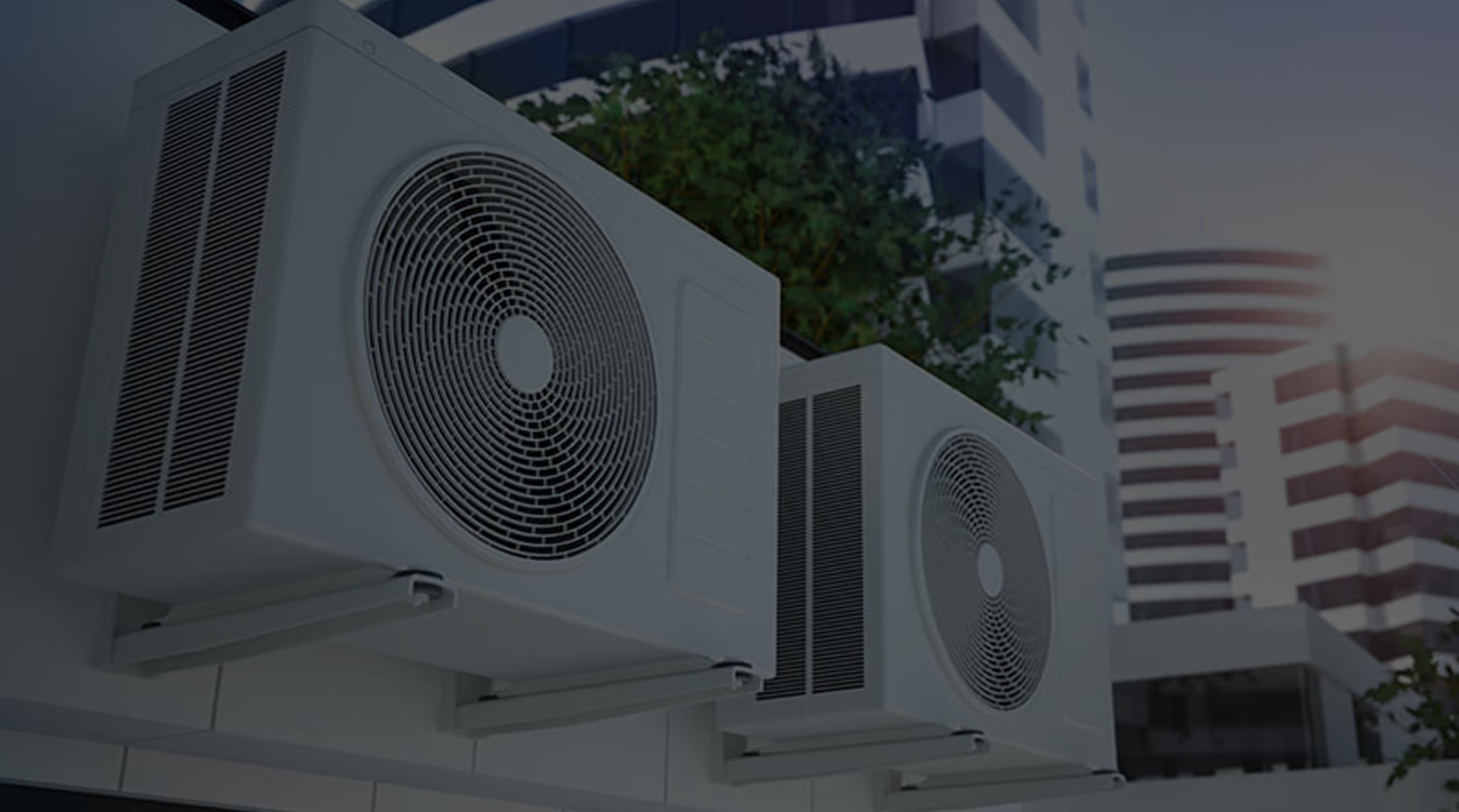
Heat Pump Repair in Sunnyvale, CA
Plum HVAC offers professional heat pump repair in Sunnyvale, CA, emphasizing timely diagnostics and durable fixes for year-round comfort. We cover common fault types such as compressor failures, refrigerant leaks, electrical issues, thermostat problems, defrost challenges, and restricted airflow, with an emphasis on accurate identification and targeted repairs. We describe a methodical diagnostic process, followed by typical repair procedures, replacement parts, and clear expectations for response times, warranties, and post-repair maintenance designed to maximize efficiency and extend system life.

Heat Pump Repair in Sunnyvale, CA
Reliable, timely heat pump repair in Sunnyvale, CA keeps your home comfortable year-round. In Sunnyvale homes, heat pumps serve double duty for cooling in hot summer stretches and gentle heating during cooler Bay Area nights. When a heat pump starts showing signs of trouble, prompt, accurate diagnosis and professional repair preserve efficiency, extend equipment life, and prevent higher energy bills or complete system failure.
Why heat pump repair matters in Sunnyvale
Sunnyvale’s mild Mediterranean climate means many households rely on heat pumps for both heating and cooling rather than separate systems. Local temperature swings, occasional heat waves, and the Bay Area microclimates can stress components like compressors and electrical controls. In addition, proximity to the bay and urban air can promote corrosion or debris buildup in outdoor units. That makes timely repair and proper diagnostics essential to maintain performance and avoid seasonal breakdowns.
Common heat pump faults in Sunnyvale homes
Understanding typical problems helps you recognize issues early. Common heat pump issues in Sunnyvale include:
- Compressor failure: Signs include loud clanking, poor cooling or heating, and the system short-cycling.
- Refrigerant leaks: Reduced capacity, ice on the evaporator coil, or hissing noises often indicate a leak.
- Electrical issues: Tripped breakers, burned contacts, or failed capacitors and contactors lead to no start or intermittent operation.
- Thermostat and control problems: Incorrect setpoints, communication errors, or faulty sensors produce inconsistent comfort.
- Reversing valve or defrost faults: Poor heating in cold nights or frost buildup on outdoor coils points to defrost system or valve issues.
- Airflow restrictions: Dirty filters, blocked vents, or failing fans cause reduced performance and higher energy use.
Step-by-step diagnostic process
A methodical diagnostic approach isolates the root cause so repairs are targeted and durable. Typical diagnostic steps:
- Initial interview and symptom review: Technician documents observed behavior, effectiveness, and when issues started.
- Visual inspection: Check outdoor and indoor units for physical damage, corrosion, debris, and obvious wiring issues.
- Electrical testing: Measure voltage, current, and continuity on motors, capacitors, contactors, and control boards.
- Refrigerant and pressure checks: Use gauges to confirm proper refrigerant charge and look for pressure anomalies that suggest leaks.
- Component function testing: Test compressor start/ run, reversing valve operation, defrost cycle, and fan motors under load.
- Thermostat and control verification: Confirm proper thermostat programming, sensor readings, and communication with the control board.
- Performance analysis: Evaluate temperature splits, airflow, and cycle times to verify overall system health.
Diagnostic reports typically summarize findings, prioritize repairs by urgency, and list parts likely required for repair or replacement.
Typical repair procedures and replacement parts
Repairs focus on restoring reliable operation while preserving efficiency and safety. Common procedures and components:
- Compressor repair or replacement: If the compressor has failed mechanically or electrically it is often replaced; technicians will also inspect the capacitor, contactor, and relay connections.
- Refrigerant leak detection and repair: Repair lines or components, vacuum and recharge system to manufacturer specifications, and test to confirm leak resolution.
- Electrical repairs: Replace blown fuses, damaged wiring, faulty capacitors, contactors, relays, and worn control boards.
- Thermostat replacement or recalibration: Replace aging thermostats or recalibrate sensors for accurate control.
- Fan motor and blower repairs: Replace worn motors or bearings and balance fans to reduce vibration and noise.
- Coil cleaning and unit maintenance: Clean condenser and evaporator coils to restore airflow and heat transfer.
- Reversing valve and defrost system service: Repair actuators, replace valves, or service defrost controls to restore heating performance.
Replacement parts used are typically OEM-equivalent or approved aftermarket parts that meet performance specifications. Technicians will choose parts matched to your system model and age to ensure compatibility.
Expected response times and emergency service options
Prompt response is important when a heat pump failure affects comfort or safety. Local technicians typically offer:
- Same-day diagnostic availability for urgent cases during business hours.
- Emergency service options for system failures during extreme weather or when vulnerable occupants are affected.Response time depends on technician availability and parts needed. For complex repairs requiring special-order components, temporary fixes (such as bypassing faulty controls or providing temporary heating) may be provided while parts are sourced.
Pricing estimates and warranties
Repair costs vary by fault type, system age, and parts required. Major factors that influence estimates:
- Extent of labor required and access to components.
- Whether major components like the compressor or control board must be replaced.
- System refrigerant type and whether a refrigerant retrofit is needed.Technicians should provide a clear written estimate before performing work, outlining parts, labor, and any additional recommendations. Warranties on repairs and replacement parts vary by supplier and part, but reputable services typically offer warranty coverage on both parts and labor for a defined period. Keep manufacturer information and documentation for system warranty considerations.
What to expect during a technician visit
A professional technician visit in Sunnyvale generally follows this pattern:
- Arrival in proper identification and with necessary tools.
- Brief discussion of the symptoms and confirmation of what you have observed.
- System shutdown and safety checks before diagnostics begin.
- Step-by-step testing with explanation of findings in plain language.
- Clear written estimate of recommended repairs and expected timeline.
- Upon approval, completion of repairs with post-repair testing to confirm performance.
- Walkthrough of completed work and guidance on routine maintenance to prevent recurrence.
Technicians should respect your property, use protective coverings where needed, and leave the work area clean.
Maintenance advice and long-term benefits
After repair, preventive maintenance reduces future repairs and helps heat pumps run efficiently in Sunnyvale’s climate:
- Replace or clean filters regularly and clear debris from the outdoor unit.
- Schedule seasonal tune-ups to check refrigerant, electrical connections, and performance.
- Maintain consistent thermostat settings and use programmable schedules to reduce cycles.
- Ensure outdoor unit clearance and consider professional coil cleaning annually.
Timely repair and regular maintenance preserve comfort, lower operating costs, and often delay the need for premature system replacement. For Sunnyvale residents, addressing issues early protects against heat waves and preserves energy efficiency in an era of rising utility costs.
Accurate diagnosis and skilled repair restore reliable operation and give homeowners clear options for repair versus replacement based on system age, efficiency, and long-term needs.
hear what our satisfied clients have to say

.svg)
Service areas
.avif)