

Heat Pump Maintenance in Los Altos, CA
For Los Altos, CA, Plum HVAC outlines a professional heat pump maintenance program, detailing why regular service matters in our area's hot summers, mild winters, and wildfire smoke seasons. We cover common local issues, what a comprehensive seasonal tune-up includes, the diagnostic steps our technicians follow, and an advised maintenance schedule to optimize efficiency, reliability, and indoor air quality. We also explain enrollment in maintenance plans, homeowner tips between visits, and the long-term value of proactive preventative care for your comfort and peace of mind.
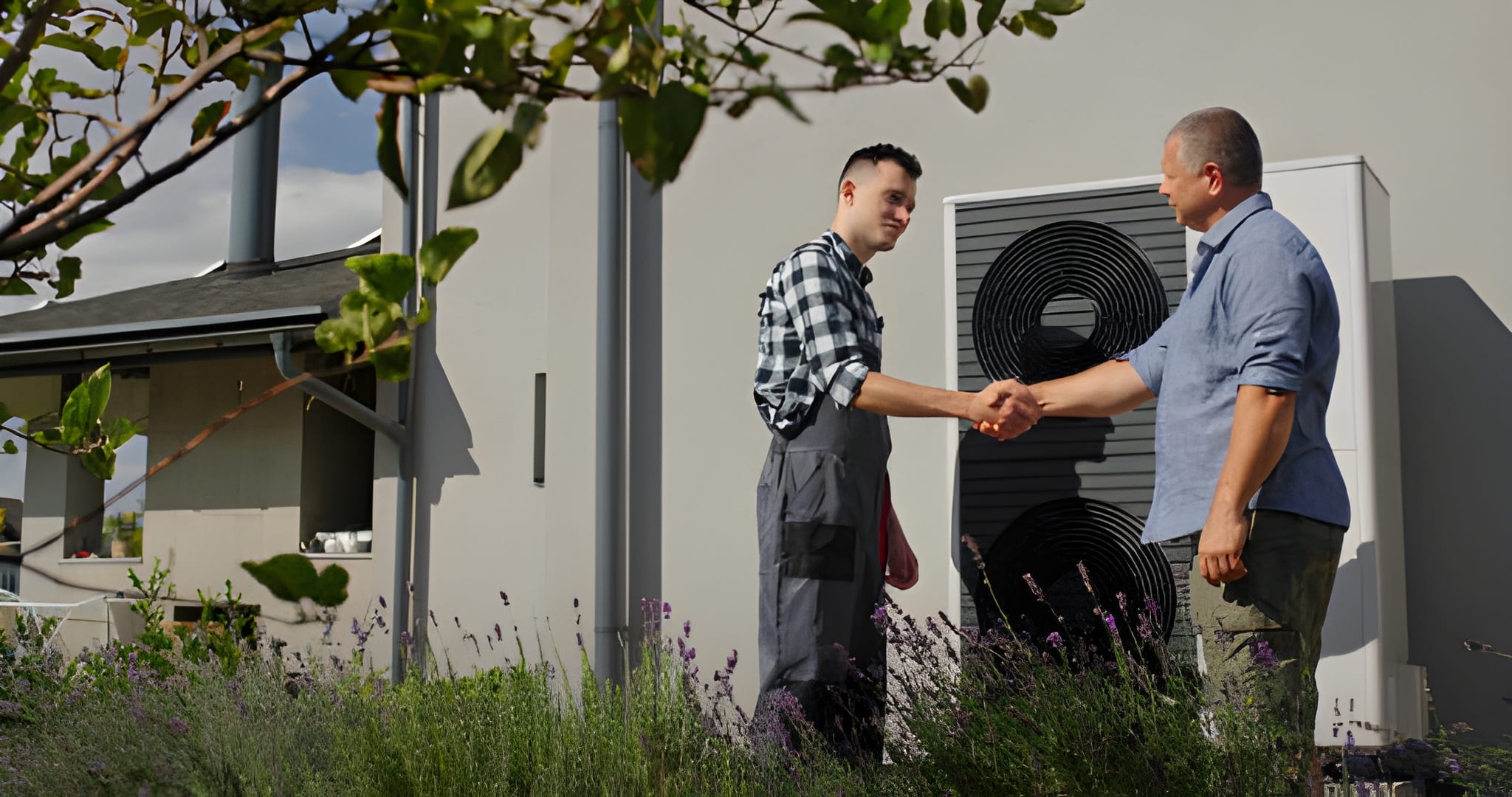
Heat Pump Maintenance in Los Altos, CA
Keeping your heat pump well-maintained is essential for reliable comfort, lower energy bills, and longer equipment life in Los Altos, CA. With hot summer spells, cooler wet winters, and occasional wildfire smoke in the region, routine heat pump maintenance protects performance and indoor air quality so your home stays comfortable year-round. This page outlines what a professional heat pump maintenance program includes, common local issues, recommended schedules, diagnostic steps, and the practical benefits of preventative care.
Why routine heat pump maintenance matters in Los Altos, CA
Los Altos experiences warm-to-hot summers and mild, sometimes damp winters. That seasonal swing means heat pumps see meaningful use for both heating and cooling. Neglecting maintenance can lead to:
- Reduced efficiency and higher utility bills during peak cooling or heating periods
- Poor airflow and indoor air quality when wildfire smoke or household dust accumulates
- Increased risk of breakdowns during heat waves or cold snaps
- Shorter equipment lifespan when refrigerant, electrical components, or coils are not serviced
A regular maintenance plan helps prevent these issues by catching problems early, keeping components clean and calibrated, and ensuring safe operation.
Common heat pump maintenance issues in Los Altos, CA
- Clogged or dirty air filters from seasonal pollen and local dust
- Restricted airflow due to dirty coils or obstructed outdoor units (landscaping or debris)
- Refrigerant loss or incorrect refrigerant charge affecting cooling/heating capacity
- Electrical wear: loose connections, failing capacitors, or worn contactors
- Reduced airflow from duct leaks or aging blower motors in older Peninsula homes
- Reduced indoor air quality during wildfire season when standard filters are overwhelmed
What a seasonal heat pump tune-up includes
A full, professional tune-up typically covers these core checks and services:
- Visual and operational inspection of indoor and outdoor units
- Filter check and guidance on replacement frequency (or replacement if enrolled)
- Coil cleaning (evaporator and condenser) and removal of debris around the outdoor unit
- Refrigerant level check and leak detection if pressures are out of spec
- Electrical and safety inspections: wiring, breakers, capacitors, contactors, and safety controls
- Condensate drain inspection and clearing to prevent water damage and microbial growth
- Blower and fan performance check and calibration of airflow
- Thermostat calibration and performance testing for accurate control
- System performance testing: temperature split, startup/shutdown cycles, and sound level assessment
- Documentation of findings and recommended repairs or optimizations
Diagnostic process: how pros find the root cause
Technicians use a step-by-step diagnostic approach during maintenance:
- Start with a visual inspection to identify obvious issues (debris, corrosion, loose panels).
- Check electrical integrity with meters to verify safe voltages and secure connections.
- Measure refrigerant pressures and temperatures to assess charge and heat transfer efficiency.
- Evaluate airflow and blower performance to detect restrictions or motor wear.
- Run the system through heating and cooling cycles, timing performance and measuring temperature differences.
- Inspect ductwork where accessible for leaks, insulation gaps, and contamination.
This methodical approach reduces guesswork and leads to targeted repairs rather than repeated service visits.
Recommended maintenance schedule for Los Altos homes
- Twice-yearly tune-ups: Spring (cooling preparation) and Fall (heating preparation) for systems used year-round. This scheduling ensures the system is optimized before heavy-use seasons.
- Air filter checks: Monthly to every 3 months depending on filter type, household occupancy, pets, and local smoke events. High-efficiency filters may need more frequent monitoring during wildfire season.
- Coil cleaning: At least once per year, more frequently if the outdoor unit is exposed to landscaping debris or nearby construction.
- Refrigerant check: Annually; sooner if system performance declines or if diagnostics indicate an issue.
- Duct inspection: Every 2-3 years for older homes, or sooner if you notice uneven temperatures, dust, or reduced airflow.
Benefits of preventative maintenance
- Energy efficiency: Clean coils, correct refrigerant charge, and properly functioning controls reduce wasted energy and keep operating costs lower.
- Reliability during peak demand: Preventative checks reduce the likelihood of breakdowns during heat waves or cold snaps.
- Longer equipment life: Routine lubrication, cleaning, and component checks reduce wear and extend the serviceable life of your heat pump.
- Improved indoor air quality: Proper filtration and clean coils lower dust, pollen, and particulate circulation—important during seasonal smoke events.
- Safer operation: Electrical and safety inspections decrease the risk of malfunctions that could lead to hazards or secondary damage.
Typical maintenance plan features (enrollment details)
Maintenance plans for heat pumps commonly include:
- Scheduled seasonal tune-ups (typically twice annually)
- Priority appointment windows for enrolled members during high-demand periods
- Filter monitoring and replacement options based on selected filter type
- Written service reports after each visit documenting work performed and any recommended follow-ups
- Discounted diagnostic labor or parts pricing on covered components (plan details vary)
- Reminders for scheduled maintenance and seasonal checks
Enrollment generally involves choosing a plan tier based on the frequency of service and level of coverage, providing system details (make, model, age), and scheduling the initial inspection. Plans are designed to simplify upkeep by bundling routine services and ensuring consistent care without needing to track dates yourself.
Practical homeowner tips between professional visits
- Check and replace or clean air filters monthly during heavy use or smoke events.
- Keep at least 2 feet of clearance around outdoor units and trim vegetation to prevent airflow restriction.
- Watch for warning signs: unusual noises, higher-than-normal bills, uneven temperatures, or visible ice on the outdoor unit.
- If you experience smoky conditions, use higher-grade filters temporarily and run the system on recirculation when appropriate to limit outdoor particles.
- Record maintenance visits, system settings, and any recurring issues to help technicians diagnose problems faster.
Conclusion
For Los Altos homeowners, regular heat pump maintenance is a smart investment: it delivers consistent comfort during the area’s variable seasons, safeguards indoor air quality during wildfire seasons, reduces energy waste, and prolongs equipment life. A well-designed maintenance program provides predictable seasonal tune-ups, thorough inspections, and documented results so your heat pump operates efficiently and reliably when you need it most.
hear what our satisfied clients have to say

.svg)
Service areas
.avif)