
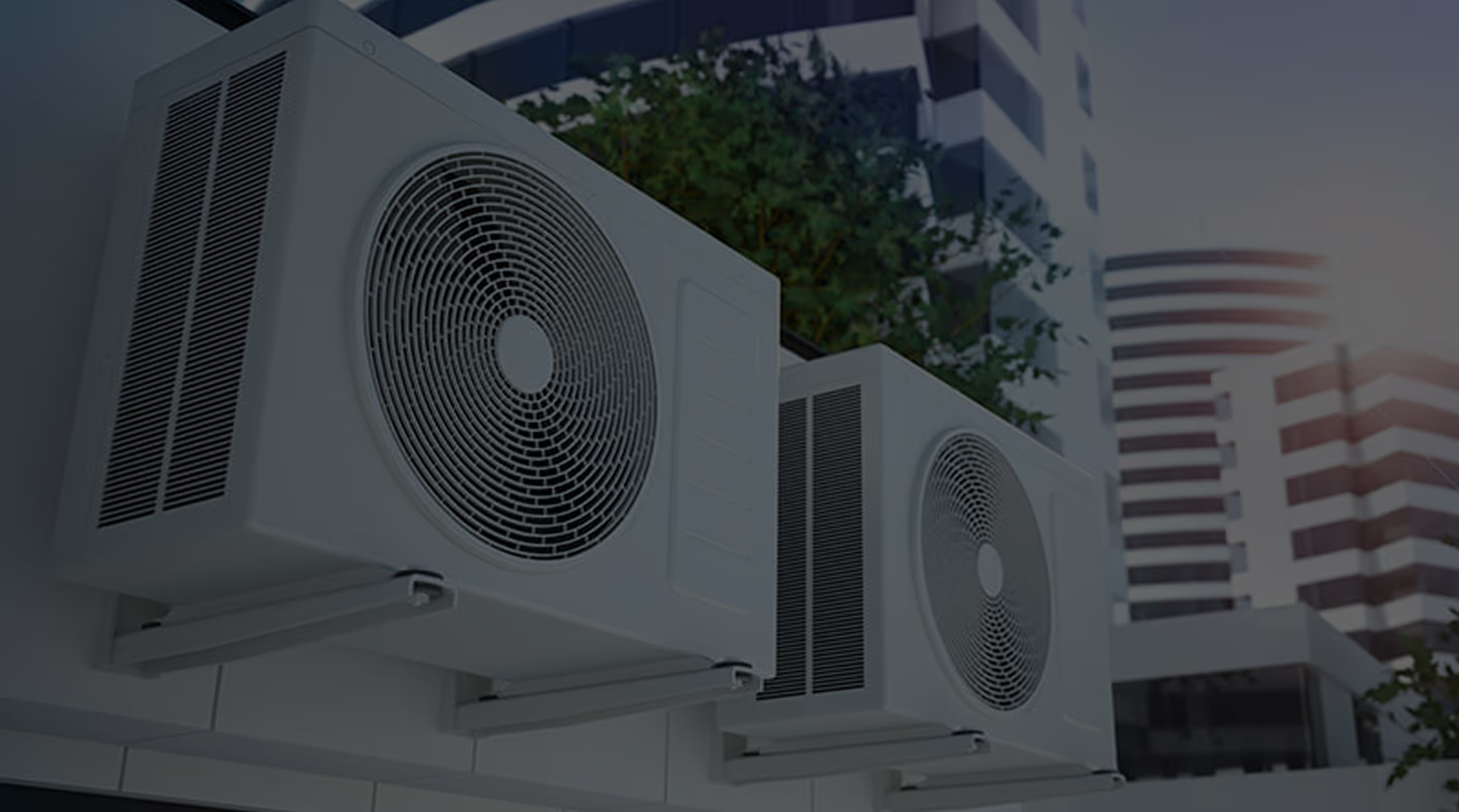
Heat Pump Maintenance in Daly City, CA
Heat pump maintenance in Daly City, CA provides a practical, locally tailored approach to keeping your coastal system reliable year-round. Our guide covers why routine service matters, common local issues like salt spray and humidity, a comprehensive seasonal tune-up checklist, diagnostic methods, typical repairs, and available maintenance plans. Our Plum HVAC technicians emphasize safety, date-specific tasks, and strategies to protect efficiency, prevent corrosion, and extend equipment life while preserving indoor comfort in foggy, damp coastal conditions. This reflects our practical, technician-driven guidance.

Heat Pump Maintenance in Daly City, CA
Keeping your heat pump running reliably in Daly City requires a maintenance approach tuned to local conditions. Coastal fog, high humidity, and salt air can accelerate corrosion and reduce system efficiency if routine care is neglected. Regular heat pump maintenance preserves comfort, lowers energy use, extends equipment life, and reduces the chance of midseason breakdowns—especially important in homes that rely on heat pumps for both heating and cooling. Below is a clear, expert breakdown of what routine maintenance looks like, common local issues, diagnostic steps technicians take, available maintenance plan types, and practical health and safety practices followed during each visit.
Why routine heat pump maintenance matters in Daly City
- Improved efficiency: Clean coils, proper refrigerant charge, and correct airflow restore manufacturer efficiency so your system uses less electricity.
- Lower operating costs: Better efficiency translates into lower energy bills during the long heating seasons often needed in foggy, cool coastal climates.
- Longer equipment life: Preventive care reduces wear on compressors, motors, and controls, extending service life.
- Fewer emergency repairs: Regular checks identify minor issues before they become major failures.
- Better indoor air quality: Clean filters and coils reduce dust, mold, and allergens circulating through your home.
Common heat pump issues in Daly City homes
- Salt and corrosion on outdoor coils and electrical connections from coastal salt spray.
- Reduced airflow due to clogged filters, coastal dust, or lint buildup in the return ducts.
- Coil or drain pan corrosion causing leaks or poor condensation management in humid conditions.
- Refrigerant loss or incorrect charge that reduces heating capacity on cooler, damp days.
- Fan motor or capacitor wear from continuous cycling in mild climates.
- Thermostat or control problems from moisture exposure or age.
Seasonal tune-up checklist (what technicians inspect and service)
A typical seasonal tune-up includes visual inspection, measurements, cleaning, and basic adjustments to ensure safe and efficient operation.
- Filters
- Inspect and replace or recommend replacement frequency.
- Clean washable filters and note filter type for future service.
- Indoor and outdoor coils
- Clean coils to restore heat transfer efficiency.
- Check for corrosion or physical damage, especially on outdoor coils exposed to salt air.
- Refrigerant
- Measure refrigerant pressures and calculate charge.
- Identify leaks if charge is low and advise on repair needs.
- Airflow and blower assembly
- Inspect blower wheel and motor; clean dust buildup.
- Measure static pressure and air handler performance.
- Verify supply and return airflow balance.
- Electrical and safety checks
- Tighten electrical connections and inspect wiring for corrosion.
- Test capacitors, contactors, and relays.
- Confirm safety controls, defrost cycle operation, and reversing valve function.
- Drainage and condensation management
- Clear condensate drains and inspect pans.
- Check condensate pump operation where applicable.
- System controls and thermostat
- Calibrate thermostat, verify setpoints, and test system cycling.
- Review operational data for unusual run times or short cycling.
- Outdoor unit clearance and mounting
- Inspect mounting pad and ensure proper clearance for airflow and service access.
- Note any vegetation or debris requiring homeowner attention.
Diagnostic process: what technicians measure and why
Technicians use targeted diagnostics to confirm system health and identify corrective actions.
- Temperature split and output checks to confirm heating performance.
- Suction and discharge pressure readings to detect refrigerant or compressor issues.
- Electrical load and amp draw tests to evaluate motor and compressor stress.
- Airflow measurements to pinpoint duct or blower restrictions.
- Visual corrosion assessment for future planning in coastal environments.
These measurements guide whether a cleaning and adjustment are sufficient or if repairs such as refrigerant leak sealing, motor replacement, or coil restoration are needed.
Typical repairs and solutions
When maintenance reveals problems, common corrective actions include:
- Coil cleaning or replacement if heavily corroded.
- Refrigerant leak repair and proper recharge according to equipment specifications.
- Blower motor or capacitor replacement to restore airflow and reduce energy draw.
- Electrical connection repair or component replacement for safety and reliability.
- Duct sealing or filter upgrades to improve airflow and indoor air quality.
- Protective coatings or sacrificial anodes on outdoor components to slow corrosion in coastal settings.
All repairs focus on restoring safe operation and preserving long term system performance.
Maintenance plan options (what to expect)
Maintenance plans are structured to fit different homeowner needs and typically include options such as:
- Single seasonal tune-up: One comprehensive inspection and service in the fall or spring.
- Annual preventive plan: One scheduled inspection per year with recommended seasonal timing for Daly City conditions.
- Biannual plan: Two inspections per year to cover both heating and cooling seasons and to catch corrosion or humidity-related issues sooner.
- Priority or diagnostic add-ons: Faster scheduling for service calls and discounted diagnostic labor when problems arise between tune-ups.
Plans often include scheduled reminders, a written service report after each visit, and recommendations to preserve manufacturer warranties. Plans may vary by provider in scope and frequency.
Health and safety practices during service visits
Technicians follow protocols to protect your household and home:
- Use of shoe covers and drop cloths to keep work areas clean.
- Hand hygiene and optional glove use when handling indoor components.
- Proper grounding and lockout procedures before electrical service.
- Safe refrigerant handling following industry guidelines.
- Clear documentation of findings and any health-related recommendations, such as mold or indoor air quality concerns.
Technicians also provide clear notes on any hazards found, like corroded electrical components or drainage problems, so homeowners can prioritize repairs safely.
Practical maintenance tips for Daly City homeowners
- Replace disposable filters every 1 to 3 months during heavy use; washable filters should be cleaned monthly.
- Keep at least 2 to 3 feet of clearance around the outdoor unit and rinse salt spray buildup with fresh water when practical.
- Run the system occasionally outside peak seasons to keep components lubricated and seals functioning.
- Set thermostats to minimize rapid setpoint changes that cause short cycling.
- Schedule tune-ups ahead of the foggiest months when heating demand increases.
Regular maintenance tailored to Daly City conditions protects system performance and indoor comfort while cutting energy waste and emergency repair risk.
Maintaining your heat pump with a focused, local-aware maintenance program reduces seasonal surprises, keeps energy use predictable, and extends equipment life. Proper inspections, cleaning, and targeted repairs based on the coastal environment will help your system perform reliably year after year.
hear what our satisfied clients have to say

.svg)
Service areas
.avif)