
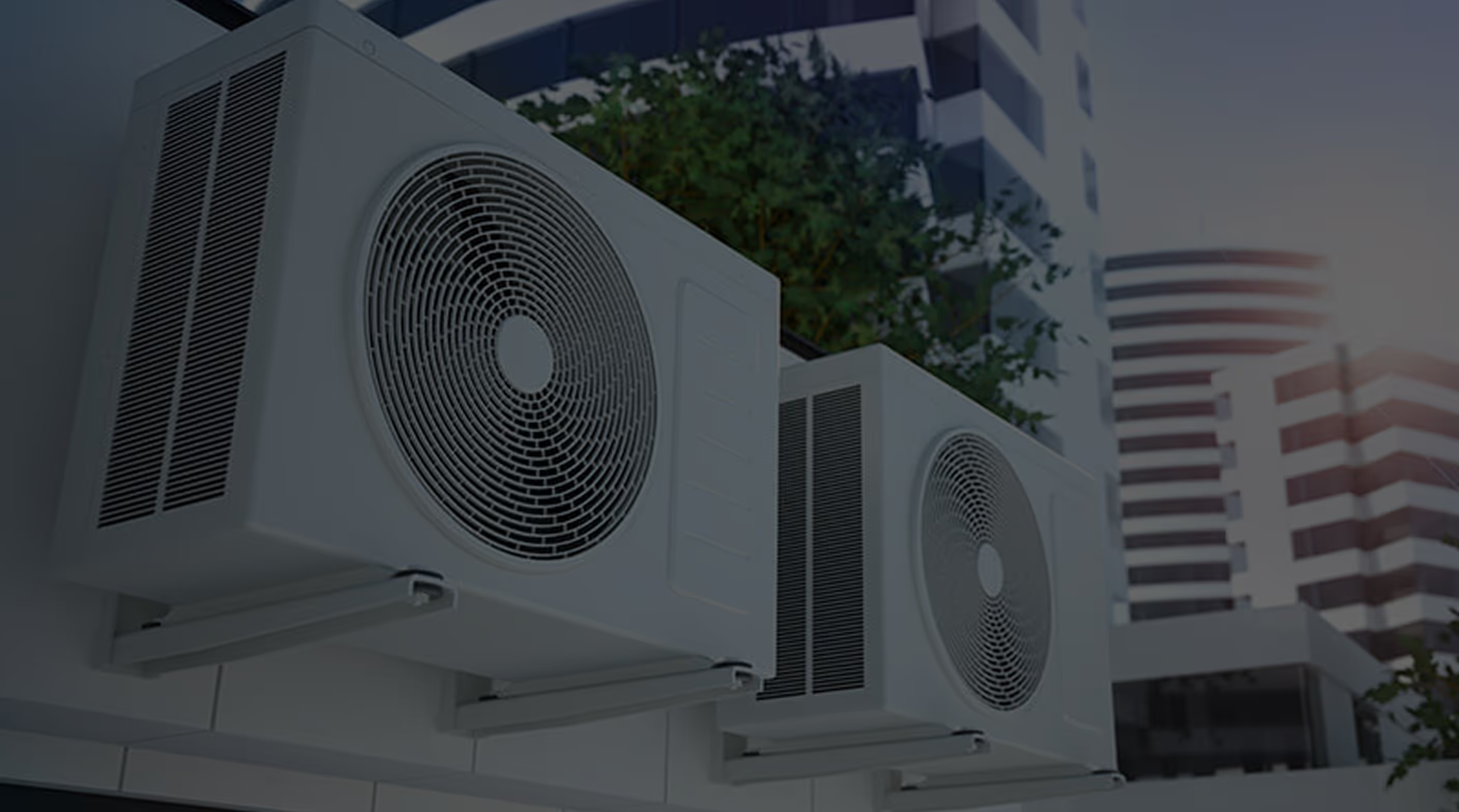
Heat Pump Installation in Millbrae, CA
Heat pump installation in Millbrae, CA is a comprehensive service for homeowners looking to upgrade to efficient, year-round comfort. We outline a full process, from a thorough site survey and system selection to professional installation, testing, and commissioning, including zoning, thermostat integration, and safety compliance. We emphasize coastal climate considerations, local incentives, and post-installation support with maintenance, warranties, and troubleshooting. We also handle rebates, permits, and inspections to keep your project compliant and streamlined, helping you plan with confidence.

Heat Pump Installation in Millbrae, CA
Heat pump installation in Millbrae, CA is a practical upgrade for homeowners looking to improve comfort, reduce energy costs, and support local electrification goals. Millbrae’s mild coastal climate, higher humidity, and proximity to the Bay make air-source heat pumps especially effective year round. This page outlines the full installation process—from site survey and system selection through testing, zoning integration, post-installation support, COVID-safe practices, and guidance on rebates and inspections—so you know what to expect when choosing a heat pump for your home.
Why choose a heat pump for Millbrae homes
- Efficient year-round heating and cooling in mild coastal climates.
- Better humidity control compared with older electric or gas systems.
- Alignment with California and Bay Area incentives for electrification and decarbonization.
- Potential for lower operating costs compared with aging gas systems, especially with improved system efficiency and thermostat zoning.
Common heat pump types for Millbrae
- Air-source split systems (ducted) - good for homes with existing ductwork.
- Ductless mini-splits - ideal for additions, older homes without ducts, or targeted zone control.
- Multi-zone mini-splits - combine indoor heads for several rooms connected to one outdoor unit.
- Heat pump water heaters and packaged systems - for whole-home or combined HVAC/water heating solutions.
- Ground-source (geothermal) - high efficiency but larger upfront footprint and higher installation complexity; less common in dense Millbrae neighborhoods.
Site survey and system selection
A professional site survey ensures the right system size and configuration. Key steps include:
- Load calculation (Manual J) to determine correct capacity based on home size, insulation, window orientation, and occupancy.
- Ductwork assessment to confirm compatibility with a ducted heat pump or to identify need for duct modifications or a ductless solution.
- Evaluation of outdoor unit location considering salt air exposure, noise, neighbors, and local setback rules or HOA restrictions.
- Review of electrical capacity and panel space for 240V requirements and potential upgrades.
- Discussion of thermostat and zoning preferences to match lifestyle and efficiency goals.
Local factors in Millbrae that influence selection:
- Coastal fog and salt can affect outdoor corrosion. Select corrosion-resistant finishes and elevated mounts where needed.
- Mild winters and warm summers mean emphasis on right-sizing to avoid short cycling.
- Space limitations in older neighborhoods may favor compact ductless solutions.
Professional installation steps
A typical professional heat pump installation includes:
- Indoor and outdoor unit siting
- Place outdoor unit where airflow is unobstructed, on a stable pad, and shielded from salt spray and direct street noise.
- Position indoor units for balanced airflow and optimal comfort. For ducted systems, review return and supply placement and any duct sealing needs.
- Refrigerant lines and charging
- Run insulated line sets with appropriate slope and protection.
- Evacuate the system to remove moisture and perform a vacuum test before charging.
- Charge to manufacturer specifications by weight or superheat/subcooling methods to ensure efficiency.
- Electrical hookups and safety
- Install proper disconnects, circuit protection, and ground fault equipment as required by code.
- Verify panel capacity and add breakers or subpanels if needed.
- Condensate management and drainage
- Install reliable condensate drains and secondary safety pans where required.
- Controls and thermostat wiring
- Connect and configure thermostats, Wi-Fi controllers, or zoning panels for full system control.
All electrical and mechanical work should meet California building codes and typically requires permits and final inspection.
Testing and commissioning
Commissioning validates performance and comfort:
- Verify refrigerant pressures and temperatures, and confirm proper charge.
- Measure airflow and static pressure for ducted systems; adjust blower or dampers as needed.
- Balance zones or adjust damper settings for even temperature distribution.
- Test defrost cycle, reversing valve operation, and safety controls.
- Calibrate thermostats and verify scheduling, remote access, and integration with smart controls.
Document final system settings and provide the homeowner with startup reports and operating tips.
Thermostat and zoning integration
- Ducted zoning uses motorized dampers and a zoning control panel to send conditioned air where needed, improving comfort and reducing energy use.
- Mini-split systems inherently provide zone control by room.
- Smart thermostats and Wi-Fi controls allow temperature scheduling, remote monitoring, and compatibility with home automation systems.
- Correct thermostat selection and placement are essential to avoid false readings and short cycling.
Post-installation support and warranty
- Confirm manufacturer and installer warranties for equipment and labor; complete any required warranty registration.
- Provide a maintenance schedule including filter replacement, coil cleaning, and annual professional tune-ups.
- Supply operation manuals, thermostat guides, and documented commissioning results.
- Offer clear guidance on what to monitor (unusual noises, reduced airflow, higher bills) and when to request service.
COVID-safe service practices
- Offer remote consultations and digital paperwork to minimize in-person contact.
- Technicians should follow symptom screening, wear masks, and use gloves when inside the home.
- Maintain physical distancing when possible, avoid unnecessary guests during service, and disinfect high-touch areas after work.
- Ensure adequate ventilation in work areas and limit the number of crew members inside smaller homes.
Rebates and inspections guidance in Millbrae
- Check available state and local incentives for heat pump adoption; California and Bay Area programs often offer rebates or financing for efficient equipment.
- Typical rebate requirements include proof of purchase, equipment model numbers (AHRI rating), permit copies, and contractor invoices.
- Permits and inspections: most installations require a mechanical and electrical permit, with a final inspection to verify code compliance. Coordinate permitting early to avoid delays.
- Keep copies of all documentation for rebate submission and future maintenance.
Common post-install issues and quick troubleshooting
- Insufficient heating or cooling: often due to improper charge, undersized unit, or airflow restrictions. Check filters and vents first.
- Short cycling: can indicate oversizing, thermostat placement problems, or refrigerant issues.
- Unusual noise from outdoor unit: may be loose panels, debris, or failing fan motor.
- Condensate leaks: check drain traps and slope; ensure secondary drain pans are clear.
- Thermostat disconnects or Wi-Fi problems: verify network and power to control modules.
If issues persist, a qualified HVAC technician should perform a targeted diagnosis.
Maintenance tips and long-term benefits
- Replace or clean filters every 1-3 months depending on use and indoor air quality.
- Keep outdoor unit clear of debris, vegetation, and salt buildup.
- Schedule annual professional tune-ups to maintain efficiency and extend system life.
- Properly installed and maintained heat pumps deliver consistent comfort, reduced energy use, and contribute to lower carbon emissions—especially relevant for Millbrae residents focused on sustainability.
Following a structured site survey, professional installation, thorough commissioning, and ongoing maintenance will help ensure your heat pump performs reliably and efficiently in Millbrae, CA.
hear what our satisfied clients have to say

.svg)
Service areas
.avif)