
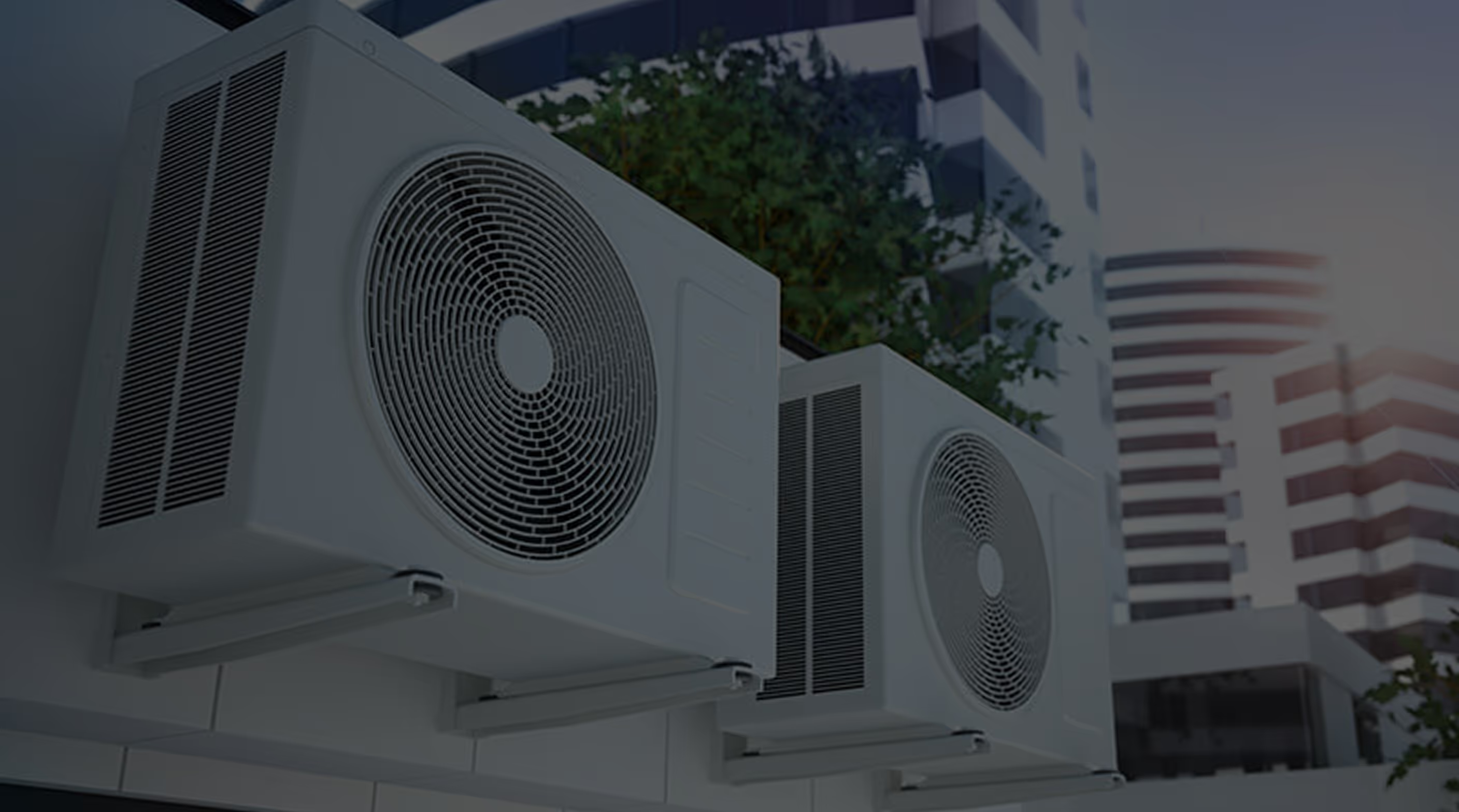
Air Conditioning Tune-Up in Portola Valley, CA
Plum HVAC offers professional air conditioning tune-ups in Portola Valley, CA, which include a detailed multi-point inspection, system cleaning, and calibration to protect comfort, efficiency, and indoor air quality. Our service typically covers diagnostic testing, coil and filter cleaning, refrigerant verification, electrical checks, and thermostat adjustments, with an on-site time estimate provided in advance. Recommended at least annually, proactive maintenance from Plum HVAC helps prevent breakdowns, lower energy consumption, reduce noise, and extend equipment life—ideal for maintaining peak performance in high-end Portola Valley homes.

Air Conditioning Tune-up in Portola Valley, CA
Keeping your home comfortable year-round in Portola Valley means preparing your air conditioning for the region's warm, dry summers and occasional heat spikes. An expert air conditioning tune-up in Portola Valley, CA ensures your system runs reliably, keeps energy use down, and protects indoor air quality from seasonal issues like wildfire smoke and dust. Below is a clear, detailed overview of what a professional AC tune-up includes, common problems we find in Portola Valley homes, the multi-point inspection checklist, cleaning and calibration tasks, expected time on site, and recommended maintenance frequency.
Why an AC tune-up matters for Portola Valley homes
Portola Valley's climate puts specific demands on cooling systems. Systems that sit idle through cool winters can develop issues when pushed during hot spells. Local air quality events and persistent fine dust from roads and landscaping increase filter clogging and coil contamination. A timely tune-up reduces the risk of mid-season breakdowns, improves system efficiency, and helps maintain more consistent indoor comfort in high-value homes.
Common AC problems we see in Portola Valley
- Reduced cooling capacity after long idle periods
- Short cycling or frequent on/off behavior from thermostat or electrical issues
- Frozen evaporator coils caused by restricted airflow or low refrigerant
- High energy bills due to dirty components or improper refrigerant charge
- Poor indoor air quality linked to clogged filters and contaminated coils
- Noisy operation from loose panels, fan motors, or worn bearings
These issues often start small but escalate quickly during heat waves. A tune-up is the preventative step that catches them early.
Multi-point inspection checklist
A comprehensive tune-up follows a multi-point inspection to evaluate performance and identify potential failures. Typical items included are:
- Filter inspection and replacement recommendations
- Evaporator coil and condenser coil condition and cleanliness
- Refrigerant level check and leak detection procedures
- Electrical connections tightness and component condition (contactors, capacitors, fuses)
- Blower motor and fan inspection for wear, balance, and proper speed
- Thermostat calibration and control verification
- Condensate drain and pan check for blockages or standing water
- Ductwork visual inspection for major leaks or disconnections (where accessible)
- System startup and operational test under load
- Measurement of temperature split between supply and return air
- Safety control checks and refrigerant pressure evaluation
Each item is documented so you understand current system health and any recommended actions.
Cleaning and calibration tasks performed
A tune-up is more than inspection; it actively restores performance through targeted cleaning and fine-tuning:
- Filter cleaning or replacement to restore proper airflow and improve indoor air quality
- Condenser coil cleaning to improve heat rejection and efficiency
- Evaporator coil inspection and light cleaning to prevent icing and improve cooling capacity
- Condensate line clearing to prevent overflow and microbial growth
- Electrical terminal cleaning and torqueing to prevent loose-connection failures
- Fan blade cleaning and motor lubrication where applicable to reduce vibration and noise
- Refrigerant assessment and documentation; only leak-free, compliant charging is performed when necessary
- Thermostat recalibration and program verification for accurate setpoints and schedules
- System performance calibration: adjusting fan speeds, verifying airflow, and ensuring proper cycling
These tasks reduce strain on the system and return cooling performance closer to original design.
Diagnostic process and what you will see
Technicians begin with system history and homeowner observations, then perform baseline measurements: temperatures, pressures, and electrical draws. After the inspection and cleaning, the system is run under normal conditions to confirm improvements. Findings are explained in plain language, with priority items identified for immediate attention and secondary recommendations listed for future planning.
Technicians typically provide a written summary that includes the inspection findings, actions taken during the tune-up, and any suggested repairs to avoid failure during peak demand.
Expected duration
- Standard single-system tune-up: typically 60 to 90 minutes.
- Systems with significant buildup, multiple indoor units, or complex ductwork: 90 to 180 minutes.
- Multi-zone or packaged systems may require additional time for thorough testing and calibration.
The time estimate includes inspection, cleaning, calibration, and performance verification.
Cost considerations
Actual service costs vary based on system size, condition, accessibility, and whether repairs are needed. Rather than fixed pricing here, expect that tune-up pricing will reflect the scope of work performed and any parts required. A professional will provide a transparent estimate for any additional repairs before proceeding.
Recommended tune-up frequency for Portola Valley
- Annual tune-up in spring before peak cooling season is the standard recommendation.
- For homes affected by wildfire smoke, heavy dust, or high usage, consider semi-annual checks or targeted filter changes during smoky periods.
- New systems under warranty should follow manufacturer maintenance schedules to preserve coverage.
Regular tune-ups reduce emergency repairs and help sustain system efficiency over time.
Benefits you can expect
- Improved cooling reliability during Portola Valley heat events
- More consistent indoor temperatures and humidity control
- Extended equipment life and reduced premature component failures
- Better indoor air quality through cleaner filters and coils
- Lower energy consumption compared to a neglected system
- Early detection of refrigerant leaks or electrical hazards
A well-maintained system also helps protect the value and comfort of high-end local homes that demand discreet, reliable climate control.
Maintenance tips between tune-ups
- Replace or clean filters every 1 to 3 months depending on use and air quality
- Keep outdoor condenser areas clear of debris, vegetation, and excess mulch
- Program thermostat setpoints for steady operation rather than large swings
- Monitor for unusual sounds, odors, or reduced airflow and schedule a check before conditions worsen
- During wildfire events, increase ventilation system filter changes and consider upgrading to higher-efficiency media filters or compatible filtration upgrades
Regular homeowner attention combined with professional tune-ups provides the best protection against unexpected failures.
An air conditioning tune-up in Portola Valley, CA is a targeted investment in comfort, efficiency, and reliability. By following a thorough multi-point inspection, performing detailed cleaning and calibration, and scheduling tune-ups at the right frequency, homeowners reduce the chance of mid-summer breakdowns and keep systems operating effectively despite local climate and air quality challenges.
hear what our satisfied clients have to say

.svg)
Service areas
.avif)