
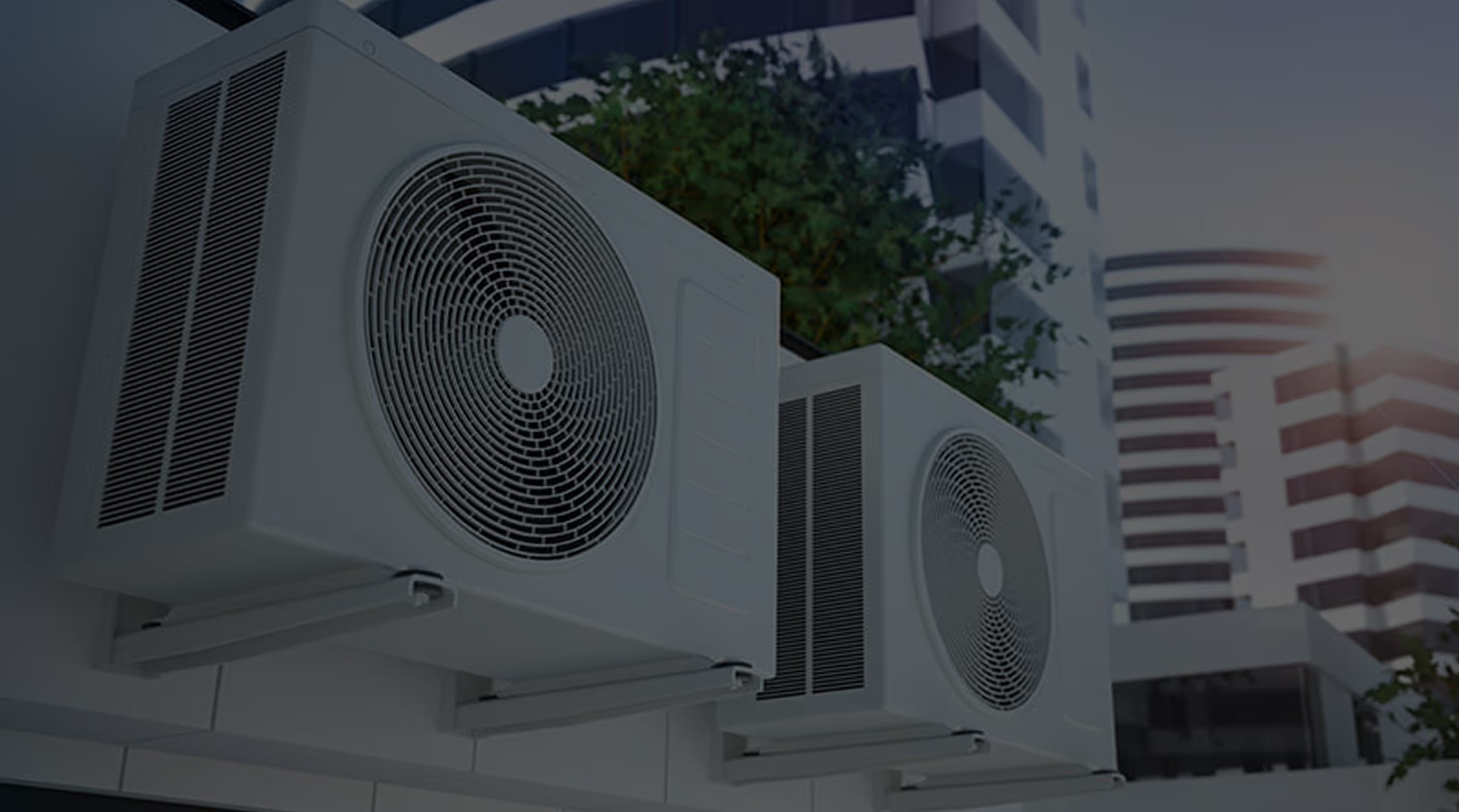
Air Conditioning Replacement in Millbrae, CA
Plum HVAC covers air conditioner replacement in Millbrae, evaluating aging systems, performing professional load calculations, and selecting energy-efficient models. Our process includes SEER considerations, safe removal and disposal, a detailed replacement timeline, financing and rebate options, and thorough warranty and post-installation testing. Proper system sizing, attention to coastal conditions, and diligent installation by Plum HVAC ensure improved comfort, reduced energy costs, and extended equipment life, with clear expectations from initial inspection through final handover. Decision milestones and practical budgeting tips help homeowners plan a seamless, cost-effective upgrade.
.jpeg)
Air Conditioning Replacement in Millbrae, CA
Replacing an aging or failing air conditioning system is a major decision for Millbrae homeowners. With the citys mild coastal climate, salt air and occasional summer heat spikes, the right replacement can improve comfort, reduce energy bills, and avoid recurring repair headaches. This page explains when a full AC replacement is recommended, how systems are evaluated and sized, energy‑efficient model choices and SEER ratings, equipment removal and disposal, an itemized replacement timeline, financing and rebate options, and the warranty and testing steps you should expect after installation.
When a full AC replacement is recommended
Common signs that a full replacement is the better choice than ongoing repairs:
- System age: most central AC units older than 10 to 15 years are approaching end of life.
- Frequent breakdowns or repetitive compressor failures.
- Major component failures that are costly to replace (compressor, evaporator coil).
- Use of phased-out refrigerants (R‑22) that are expensive or impossible to recharge.
- High energy bills and poor cooling performance despite recent repairs.
- Mismatched components (new condenser on old coil) causing inefficiency and short cycling.
- Corrosion from coastal salt air accelerating coil and cabinet deterioration in Millbrae homes.
If repair costs approach half the cost of replacement, or if the unit can no longer meet your comfort needs, replacement is usually the most cost‑effective and reliable path.
System evaluation and proper load calculation
A reliable replacement begins with a professional evaluation and accurate sizing. Key steps:
- Home inspection: assess insulation, windows, ductwork condition, attic ventilation, and orientation to determine actual cooling needs for Millbrae homes that may experience marine layer and humidity.
- Manual J load calculation: the industry standard for right‑sizing. This calculation accounts for square footage, insulation, window types, occupancy, and local climate to avoid oversized systems that short cycle or undersized units that run constantly.
- Manual D duct design review: evaluates whether existing ducts can deliver the required airflow or need sealing/augmentation.
- Manual S equipment selection: matches the equipment capabilities to the load calculation to ensure performance and efficiency.
Correct sizing is critical for comfort, humidity control, and equipment longevity.
Comparing energy‑efficient models and SEER ratings
SEER (Seasonal Energy Efficiency Ratio) measures cooling efficiency. Higher SEER means lower operating costs, especially important when cooling demand spikes. Considerations for Millbrae:
- Typical modern replacements range from mid‑to‑high SEER. Variable‑speed compressors and inverter technology provide better humidity control and quieter operation than single‑stage systems.
- Two‑stage or variable‑speed systems adapt to changing loads, improving comfort on cool coastal nights and during humid days.
- Heat pump options may provide both efficient cooling and heating for year‑round comfort.
- Balance upfront cost and long‑term savings: higher SEER units cost more up front but can significantly reduce energy use in homes that run frequently or have higher cooling loads.
An equipment selection based on Manual J and your comfort priorities produces the best long‑term value.
Removal and disposal of old equipment
Replacement includes safe removal and responsible disposal:
- Refrigerant recovery: EPA rules require certified recovery of refrigerant to prevent environmental release.
- Recycling and disposal: metal, plastics, and components are recycled where possible, and hazardous materials are handled per local and state regulations.
- Permits and inspections: many jurisdictions require permits for HVAC replacement; proper paperwork ensures compliance with San Mateo County and Millbrae regulations.
- Site protection: installers should protect landscaping, flooring, and access paths during removal and installation.
Proper disposal reduces environmental impact and prevents legal or safety issues.
Itemized replacement process and typical timeline
A transparent, itemized process helps set expectations. Typical steps and timing for a standard residential install:
- Initial inspection and load calculation (1 to 3 hours): detailed assessment and measurements.
- Written proposal and equipment selection (1 to 3 days): includes model options, SEER ratings, and scope.
- Permits and scheduling (1 to 14 days): dependent on permit timelines and equipment availability.
- Equipment delivery (1 to 7 days): lead times vary by model and season.
- Removal of old system and rough installation (1 to 2 days): disconnect, recover refrigerant, remove condenser/air handler as needed.
- Final installation, electrical hookup, and refrigerant charging (1 day): system completed and brought online.
- Inspection, startup, and commissioning (same day as final install): testing and verification.
- Final walkthrough and documentation (same day): handover of manuals, warranties, and maintenance tips.
Typical overall timeline for straightforward jobs is 1 to 3 weeks from inspection to completion; complex installs, duct redesign, or permitting can extend that.
Financing and rebate assistance
Many homeowners offset replacement costs through financing and incentives:
- Utility rebates and state/federal incentives: high‑efficiency systems and heat pumps may qualify for local utility rebates or tax credits. Availability varies and often depends on SEER or HSPF ratings.
- Manufacturer or dealer financing: many programs offer low monthly payments or deferred interest options.
- Energy financing programs: options such as property assessed or energy loan programs may be available in your area.
- Installer assistance: reputable installers can help identify eligible rebates and provide required documentation to facilitate claims.
Always confirm current programs and eligibility before finalizing equipment selection.
Warranty and post‑installation testing steps
A thorough warranty and testing process protects your investment:
- Manufacturer warranties: typically cover parts and compressor for defined terms. Some require registration soon after installation to be valid.
- Labor warranties: reputable installers provide a labor warranty for installation workmanship.
- Post‑installation testing checklist:
- Verify refrigerant charge and system pressures.
- Measure airflow and static pressure through ducts.
- Test thermostat calibration and controls.
- Check electrical connections and safety controls.
- Run performance tests to confirm capacity and efficiency.
- Inspect condensate drains and pans for proper drainage.
- Verify proper operation under real‑world conditions, including humidity control.
- Documentation: receive written warranty information, system specs, and a maintenance schedule.
Regular maintenance after replacement preserves efficiency, extends equipment life, and keeps warranties valid.
Bottom line
An air conditioning replacement in Millbrae, CA, should be driven by a proper load calculation, careful equipment selection for coastal conditions, compliant removal and disposal, and documented testing and warranty coverage. Choosing the right SEER, considering variable‑speed or heat pump options, and addressing ductwork or insulation issues during replacement will deliver the best comfort and energy savings for your home.
hear what our satisfied clients have to say

.svg)
Service areas
.avif)