
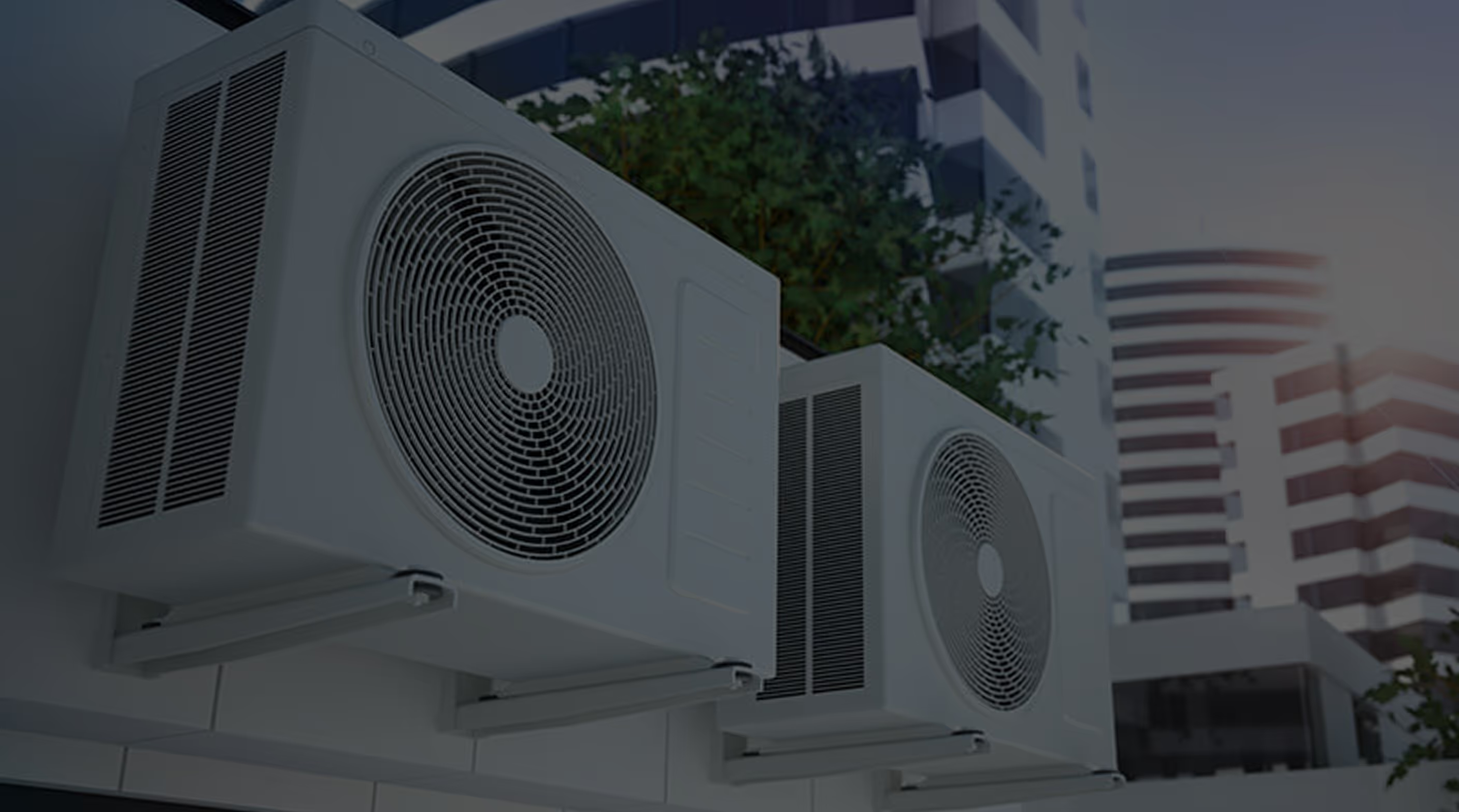
Air Conditioning Replacement in Cupertino, CA
Cupertino homeowners seeking a full air conditioning replacement will find a comprehensive Plum HVAC guide to evaluating whether replacement is preferred over repair, sizing with Manual J/D/S methods, and selecting energy-efficient, properly matched systems. Plum HVAC covers removal and disposal, typical installation timelines, financing and rebates, warranty considerations, and expected performance gains in comfort, energy use, and home value. We also provide maintenance recommendations to protect long-term efficiency and code compliance after your new system is installed.

Air Conditioning Replacement in Cupertino, CA
Replacing an aging or failing air conditioning system is a major home investment. In Cupertino, CA, where warm Mediterranean summers and increasing energy-consciousness drive demand for efficient cooling, a properly planned AC replacement improves comfort, lowers energy bills, and ensures systems meet current codes. This page explains the full AC replacement process: how to decide between repair and replacement, how systems are sized, energy-efficient model choices, removal and disposal, installation timeline, financing and rebate guidance, warranty expectations, and the performance gains Cupertino homeowners can expect.
When to replace vs repair: common signs in Cupertino homes
Deciding between repair and replacement is the first step. Consider replacement when you see one or more of these conditions:
- System age over 10–15 years and frequent breakdowns.
- Refrigerant type is phased-out or expensive to recharge.
- Repair cost approaches 40–50% of replacement cost repeatedly.
- Poor temperature consistency, persistent humidity problems, or noisy operation.
- Old system has low efficiency (low SEER) relative to modern units.
- Ductwork leaks, corrosion, or evidence of repeated patches that jeopardize long-term performance.
In Cupertino’s climate, where cooling demand spikes in late spring and summer, an unreliable AC can mean discomfort during hot evenings and higher peak energy costs. For tech-forward households, inefficiency also means missed opportunities for smart thermostats and home energy management.
Proper sizing: load calculations and duct evaluation
A correct replacement starts with proper engineering, not guesswork. Key steps include:
- Conducting a Manual J load calculation to determine exact cooling needs based on home orientation, insulation, window area, occupancy, and local climate.
- Performing Manual D for duct design and Manual S to match equipment capacity to the calculated load.
- Inspecting ductwork for leaks, insulation levels, and proper airflow; many performance problems come from ducts, not the outdoor unit.
- Considering envelope improvements (insulation, shading, window upgrades) that can reduce required system size and long-term operating costs.
Oversizing leads to short cycling, poor humidity control, and higher wear. Properly sized, variable-speed systems address Cupertino’s hot days while managing energy use efficiently.
Energy-efficient models and brand considerations
For Cupertino homeowners focused on longevity, comfort, and lower utility bills, consider:
- High-efficiency central air conditioners and heat pumps with high SEER ratings and variable- or two-stage compressors for better humidity control and quieter operation.
- Ductless mini-split heat pumps for room additions, garages, or homes without ductwork—these offer targeted cooling and high efficiency.
- Systems with ECM or variable-speed blowers to optimize airflow and reduce energy use.
- Matched system components (indoor coil, outdoor unit, and thermostat) to ensure manufacturer-rated efficiency and valid warranties.
- Brands with strong warranties and local service networks; choose reputable manufacturers and models sized to your load calculation.
Look for systems that use lower global-warming-potential refrigerants and modern controls compatible with smart thermostats—important considerations for Cupertino’s environmentally aware homeowners.
Removal and disposal: safe, compliant practices
Proper removal protects your home and meets legal requirements:
- Authorized technicians recover refrigerant, following EPA regulations, before disconnecting equipment.
- Old units are recycled or disposed of through certified channels for metals, plastics, and refrigerant oil.
- Permits and disposal documentation are completed as required by Cupertino and Santa Clara County codes.
- If indoor components (coils, ducts) are corroded or contaminated, technicians will recommend repairs or replacement to restore indoor air quality and system performance.
Documented disposal and refrigerant recovery are standard—ask that these steps are included in the project scope.
Typical installation timeline and what to expect
A straightforward full-system replacement typically follows this schedule:
- On-site evaluation and load calculation: 1–2 hours.
- Proposal and equipment selection: usually within a few days.
- Permit processing: varies, often several days to two weeks depending on local permitting workload.
- Installation day(s): 1–3 days for a typical single-family home replacement (site prep, outdoor unit swap, indoor coil/air handler swap, duct adjustments).
- Startup and commissioning: same day as installation; includes refrigerant charge, airflow balancing, thermostat programming, and a homeowner walk-through.
- Final inspection (if required by permit): scheduled by local authorities and may occur within a few days to a couple of weeks.
Complex jobs (significant ductwork changes, structural work, or multi-zone systems) extend timelines.
Financing and rebate guidance for Cupertino homeowners
Replacing an AC may qualify for incentives that reduce out-of-pocket costs:
- Utility rebates and incentive programs often reward high-efficiency equipment; in Cupertino this can include local utility programs and regional energy efficiency initiatives.
- Federal and state incentive programs or tax credits may be available for qualifying high-efficiency or heat pump systems—documentation such as receipts, AHRI certificates, and permit records are typically required.
- Financing options commonly used for home HVAC projects include home improvement loans, PACE financing, manufacturer financing offers, and equipment-specific payment plans. Review terms carefully for interest rates and repayment length.
When evaluating proposals, request a breakdown showing equipment efficiency ratings, expected energy savings, and the paperwork needed to apply for any rebates or tax incentives.
Warranties and long-term protection
Understand the warranty structure to protect your investment:
- Manufacturer warranties typically cover the compressor and major parts for a stated period (commonly 5–10 years on major components, with extended options available).
- Labor warranties are offered by installers and vary—some contractors provide multi-year workmanship guarantees.
- Warranty validity often depends on proper installation, system sizing, and regular maintenance (annual tune-ups, filter changes).
- Carefully review warranty transferability if you plan to sell your Cupertino home in the future.
Registering equipment with the manufacturer and keeping maintenance records helps preserve warranty coverage.
Expected performance improvements and homeowner benefits
A correctly specified and installed replacement delivers measurable gains:
- Improved energy efficiency: moving from older equipment to modern high-SEER systems can reduce cooling energy use substantially, often by 20–40% depending on previous system condition and local usage patterns.
- Better comfort and humidity control, with more consistent temperatures and quieter operation.
- Enhanced indoor air quality when combined with upgraded filtration, proper condensate management, and sealed ductwork.
- Reduced repair frequency and the predictability of operating costs.
- Increased home value and marketability in Cupertino’s competitive real estate environment, especially when paired with energy-efficient upgrades.
Maintenance advice to protect performance
To ensure long-term performance in Cupertino’s climate:
- Schedule annual professional tune-ups before summer to check refrigerant charge, airflow, electrical connections, and clean coils.
- Replace filters regularly and keep outdoor unit clear of vegetation and debris.
- Monitor thermostat settings and consider smart thermostats for better scheduling and energy tracking.
- Inspect ducts periodically for leaks and seal/insulate as needed.
A properly executed replacement, matched to your home’s load and local conditions, delivers reliable comfort, lower operating costs, and compliance with current codes and incentives—making it a practical upgrade for Cupertino homeowners focused on efficiency and long-term value.
hear what our satisfied clients have to say

.svg)
Service areas
.avif)