

Air Conditioning Replacement in Belmont, CA
Plum HVAC's air conditioning replacement services for Belmont, CA homes outline when a full system upgrade is warranted, how we evaluate existing equipment, and how new units are sized for comfort and efficiency. We cover system types (central, heat pumps, packaged, and ductless), removal and disposal, and compliance with California regulations. Plum HVAC also explains financing, rebates, and the typical project timeline, plus what to expect during installation and post-install warranty support. The result is improved comfort, reliability, and long-term energy savings for your home.
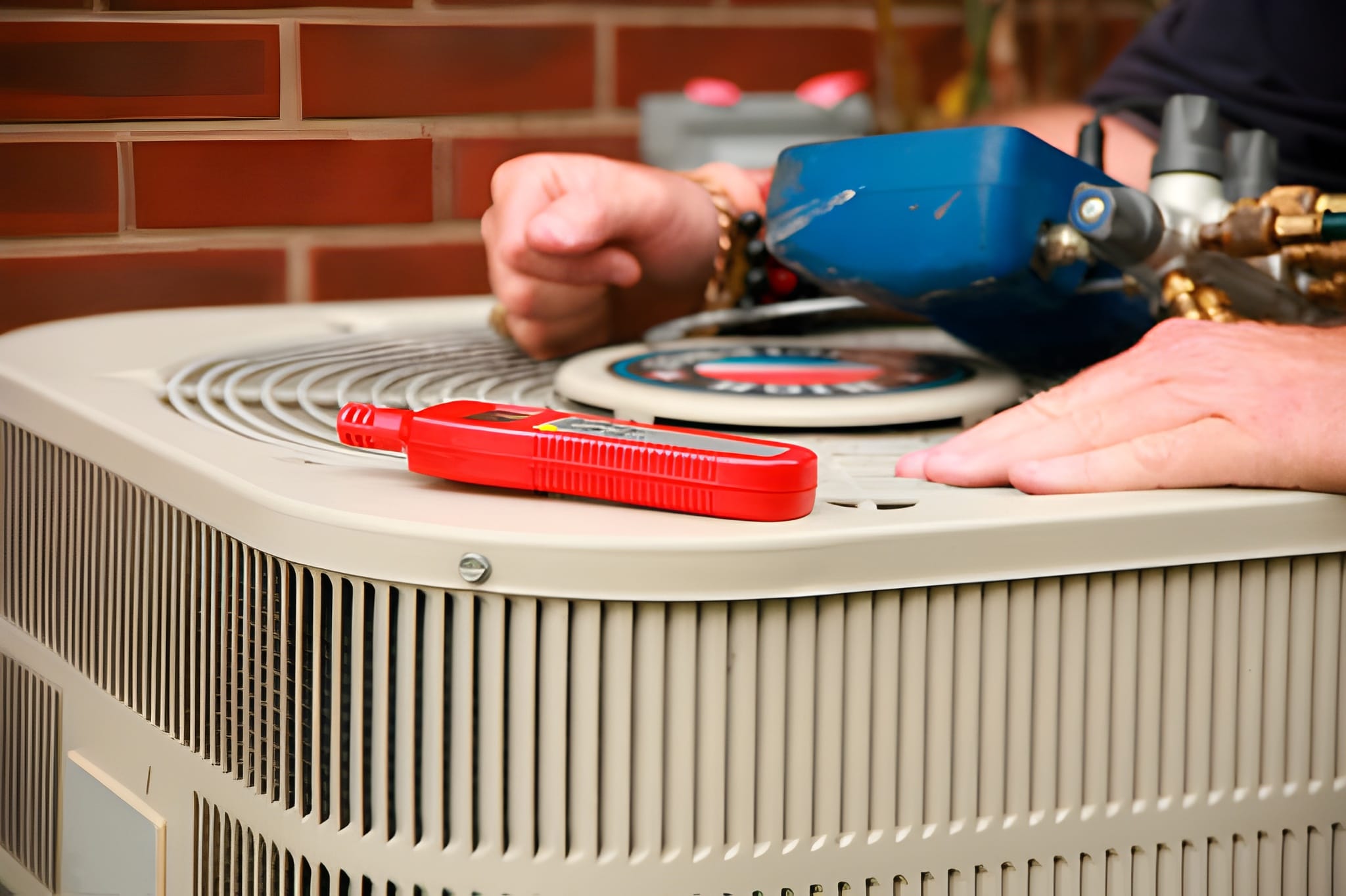
Air Conditioning Replacement in Belmont, CA
Replacing an aging or failing air conditioning system is one of the most effective ways to improve year round comfort and lower energy costs in Belmont, CA homes. Even though the Bay Area has generally mild summers, heat waves and rising summer temperatures make a reliable, properly sized, energy efficient system essential. This page explains full-system replacement: how existing equipment is evaluated, how replacements are selected and sized, what happens during removal and disposal, options for financing and rebates, typical timelines, and the warranty and support you should expect after installation.
Why replace your air conditioner now
Common air conditioning replacement issues in Belmont, CA:
- Frequent breakdowns and rising repair costs on older systems
- Poor comfort or uneven cooling caused by undersized equipment or failing components
- High energy bills from low-efficiency units
- Systems that use phased-out refrigerants or do not meet current California efficiency standards
- Excessive noise, short cycling, or humidity problems during warmer periods
Replacing an entire system rather than repeatedly repairing an old unit often delivers faster payback through energy savings, improved comfort, and greater reliability during local heat events.
Types of full system replacements
- Central split systems (most common for detached homes): outdoor condenser plus indoor air handler or furnace
- Heat pump systems: provide both cooling and efficient heating, increasingly popular in California for decarbonization and incentives
- Packaged rooftop or yard systems: used where indoor space is limited
- Ductless mini-splits: good for additions, older homes without ducts, or room-by-room zoning
Each option has pros and cons depending on home layout, duct condition, and comfort goals.
Evaluation, load calculations, and proper sizing
Proper sizing is critical. Oversized units short cycle, reduce humidity control, and waste energy. Undersized units struggle on hot days.
Typical evaluation and sizing process:
- Equipment inspection: assess age, refrigerant type, compressor and coil condition, and ductwork integrity.
- Duct assessment: check for leaks, insulation levels, and airflow restrictions. Duct repairs often accompany replacements.
- Load calculation: perform a Manual J load calculation to determine heating and cooling loads based on home orientation, insulation, window types, occupancy, and local climate data for Belmont, CA.
- Equipment selection: use Manual S guidance to match equipment performance to calculated loads and select proper refrigerant charge, airflow, and coil configuration.
- Consider zoning: evaluate whether multiple zones or variable-speed equipment will better control comfort and efficiency.
A thorough load calculation and duct evaluation protect you from common mistakes and ensure the new system performs as intended in Belmont homes.
Energy efficient recommendations and comparing brands/models
Key performance metrics to compare:
- SEER (Seasonal Energy Efficiency Ratio): higher SEER means lower cooling energy use
- HSPF or COP for heat pump heating performance
- Variable-speed or inverter compressors: improve comfort, humidity control, and part-load efficiency
- Proper refrigerant type: current reliable options include R-410A or newer low-GWP refrigerants compliant with California rules
When comparing brands and models, weigh:
- Long term energy savings vs upfront cost
- Availability of local service and parts in the Bay Area
- Sound ratings for outdoor units, important for close lot lines in Belmont
- Warranties on compressors, coils, and labor
Heat pumps are often recommended for California because they provide efficient heating and cooling and may qualify for stronger incentives.
Removal, disposal, and regulatory compliance
California regulations require proper handling of refrigerants and responsible disposal of old equipment. Replacement projects should include:
- Safe recovery and documentation of refrigerant per state and federal rules
- Recycling of metal, copper, and other materials
- Decommissioning and removal of old equipment from the site with minimal disruption
- Any required permits and municipal inspections in Belmont and San Mateo County
Proper disposal avoids fines, protects the environment, and ensures the new system starts with correct refrigerant charge and components.
Financing and rebate assistance
Replacing an entire system is an investment with ongoing savings. Typical financial options and assistance include:
- Utility rebates through PG&E or other local providers for high-efficiency equipment and heat pumps
- State and federal tax credits or energy incentive programs for qualifying systems
- Manufacturer or dealer financing plans that spread payments over time
- Help preparing required documentation for rebate and incentive applications, including model numbers, efficiency ratings, and proof of professional installation
A knowledgeable evaluation will identify incentives that apply to Belmont homes and outline expected energy savings to help compare options.
Project timeline and what to expect during replacement
Typical full-system replacement timeline:
- Initial evaluation and load calculation: single site visit, usually completed within days
- Proposal and equipment selection: delivered within a few days to a week
- Permits and scheduling: 1 to 2 weeks depending on permit queue and equipment lead times
- Installation day(s): most residential split-system replacements take 1 to 2 full days; heat pump or complex duct upgrades may take longer
- Final testing and inspection: contractor tests system performance, thermostat setup, refrigerant charge, and airflow; municipal inspection may follow
What to expect on installation day:
- Protection of flooring and furniture in work areas
- Safe outdoor work and minimal disruption to landscaping
- Removal of existing equipment and a clean site after work
- Startup procedures, homeowner walkthrough of thermostat settings, and documentation of efficiency ratings and warranty registration
Warranty and post-installation support
Understand warranty coverage before committing:
- Manufacturer warranty: typically covers compressors and major components for a set period; register the equipment to validate
- Labor warranty: covers workmanship for a stated duration and should be documented
- Service and maintenance: seasonal tune-ups, filter replacement, and duct checks extend system life and maintain efficiency
After installation, expect performance verification and clear documentation of operating instructions, maintenance recommendations, warranty terms, and incentive paperwork. Scheduled maintenance plans can preserve efficiency, maintain manufacturer warranty requirements, and reduce future repair risk.
Final benefits for Belmont, CA homeowners
A professionally planned and executed air conditioning replacement tailored to Belmont homes delivers:
- Better temperature and humidity control during heat events
- Lower energy bills with higher SEER or heat pump systems
- Quieter operation and improved indoor air quality
- Compliance with California refrigerant and efficiency regulations
- Added comfort and potential increase in home value
When replacing an air conditioning system, prioritize proper sizing, compliance, and long term performance to maximize comfort and savings for your Belmont, CA home.
hear what our satisfied clients have to say

.svg)
Service areas
.avif)