

Air Conditioning Repair in Stanford, CA
Plum HVAC's Stanford-area air conditioning repair services diagnose and fix residential and light-commercial systems, from central splits to ductless mini-splits. We outline common failure symptoms, a step-by-step diagnostic process, and practical repair options, including compressor, fan, refrigerant, electrical, and duct issues. We cover expected response times, Plum HVAC technician qualifications, warranty considerations, and follow-up care. We also offer proactive maintenance tips to prevent future breakdowns and extend equipment life, emphasizing regional conditions and energy-efficient upgrades. Plum HVAC emphasizes clear diagnostics, transparent pricing, and reliable follow-up support.
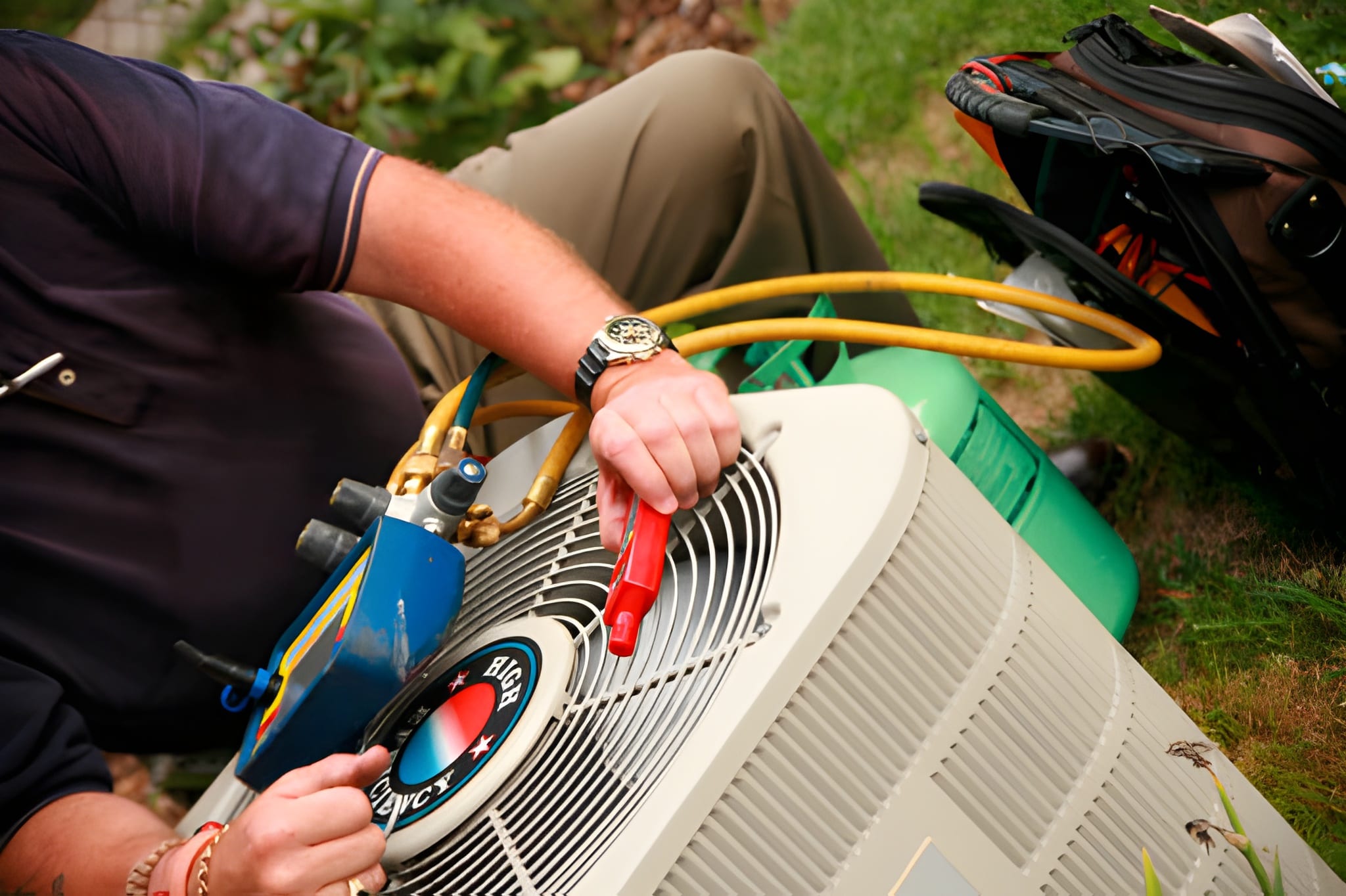
Air Conditioning Repair in Stanford, CA
Keeping your home or light-commercial space comfortable year-round in Stanford, CA means having an air conditioning system that cools reliably and runs efficiently. Whether your system is a central split, packaged rooftop unit, or a ductless mini-split, timely diagnostics and targeted repairs prevent uncomfortable downtime, reduce energy bills, and extend equipment life. This page explains common AC failure symptoms in Stanford homes and businesses, step-by-step troubleshooting and diagnostic procedures, typical repair solutions, response time expectations, technician qualifications, warranty and follow-up practices, and practical tips to avoid future breakdowns.
Why local expertise matters in Stanford, CA
Stanford experiences Mediterranean weather with warm, dry summers and occasional heat waves. Bay Area heat spikes and periods of poor air quality from wildfires place added stress on cooling systems and filters. Light-commercial buildings like campus offices and small retail spaces often run longer hours than residences, increasing wear on compressors, motors, and controls. Local technicians understand these regional stressors and the best repair approaches for systems commonly found in Stanford homes and properties.
Common air conditioning failure symptoms in Stanford
- Little or no cooling while the outdoor fan and compressor appear to run
- System cycles on and off rapidly (short cycling)
- Weak airflow from vents or uneven cooling between rooms
- Strange noises: grinding, loud humming, clanking, or refrigerant hissing
- Frequent tripped breakers or blown fuses
- Visible refrigerant oil or frost buildup on refrigerant lines
- Musty or burnt smells from vents, or excessive dust and reduced indoor air quality
Diagnostic and troubleshooting process
A professional repair process follows a logical, documented sequence to identify root causes rather than just treating symptoms.
- Initial assessment
- Confirm complaint, operating schedule, and any recent service history.
- Inspect thermostat settings and verify correct mode, setpoint, and power.
- Visual inspection and basic checks
- Check air filter condition and replace if clogged.
- Verify breaker and disconnects, inspect wiring for loose or burned terminals.
- Inspect outdoor condenser for debris, bent fins, and clearances.
- Airflow and duct checks
- Measure supply and return airflow in accessible registers.
- Inspect blower motor, capacitor, and fan for proper operation and noise.
- Refrigeration system diagnostics
- Measure suction and discharge pressures and compare to expected values.
- Check for signs of refrigerant leaks: oil stains, hissing sounds, or frost lines.
- Evaluate compressor electrical draw and continuity testing of windings.
- Electrical and control checks
- Test contactor, capacitors, relays, and control board voltages.
- Inspect thermostat wiring and control signals for proper sequencing.
- Report and options
- Document findings, explain root cause, and present repair options and implications for efficiency and longevity.
Typical repair solutions explained
- Compressor failures: When a compressor is mechanically or electrically failing, options include motor replacement (rare) or system replacement. Repairs focus on protecting the rest of the system from contamination and ensuring correct refrigerant handling.
- Fan and motor repairs: Outdoor fan motors and indoor blowers are commonly replaced when bearings fail or motors draw excessive current. Capacitor replacements often restore motor function quickly.
- Refrigerant leaks: Repairs include locating leaks, brazing or component replacement, evacuating and recharging the system to the correct charge, and pressure-testing to confirm leak repair. EPA refrigerant rules require certified handling.
- Electrical issues: Replacing contactors, relays, capacitors, or damaged wiring resolves many intermittent or no-start conditions. Corroded terminals and tripped overloads are common in coastal-influenced microclimates.
- Control and thermostat repairs: Replacing or recalibrating thermostats and control boards can fix programming or cycling problems.
- Duct and airflow corrections: Sealing leaks, cleaning obstructed return paths, and adjusting dampers restore balanced airflow and even temperatures.
Response times and repair scheduling
- Emergency cooling failures during heat events or when vulnerable occupants are affected typically require same-day or next-business-day emergency service.
- Non-emergency diagnostic visits and standard repairs are commonly scheduled within 24 to 72 hours depending on parts availability and system complexity.
- Light-commercial rooftop units or complex multi-zone systems may need additional coordination for access and parts ordering, which can extend turnaround times.
Technician qualifications and safety
- Technicians working on refrigerants should hold EPA 608 certification. In California, proper HVAC license credentials (for example, contractors holding the applicable state license classification) indicate the technician meets regulatory standards.
- Look for technicians trained on modern systems: variable-speed compressors, inverter-driven mini-splits, and electronic expansion devices. Proper tools include refrigerant gauges, electrical meters, combustion analyzers when applicable, and recovery equipment.
- Safe practices include lockout-tagout, refrigerant recovery per regulations, and documenting work performed.
Warranty, follow-up support, and documentation
- Quality repairs include clear documentation of diagnostics, replaced parts, and refrigerant charge. Workmanship warranties on labor commonly range from short-term to extended coverage depending on the repair and parts supplied.
- Follow-up checks after major repairs—especially compressor replacements or refrigerant repairs—help confirm system performance and catch issues early.
- Retain service records to support manufacturer warranties and to track recurring issues that may indicate systemic problems.
Tips to avoid future breakdowns in Stanford homes and shops
- Change or clean filters every 1 to 3 months during high-use seasons; wildfire smoke increases the need for frequent changes.
- Schedule preventive maintenance at least once per year, ideally before summer, to clean coils, check refrigerant levels, inspect electrical components, and lubricate moving parts.
- Keep outdoor units clear of plants, dust, and debris; ensure 2 to 3 feet of clearance around condensers for airflow.
- Replace aging systems before critical components fail; systems over 12 to 15 years old are more likely to experience major compressor or refrigerant issues.
- Consider upgrading to variable-speed or higher SEER equipment for improved comfort and energy savings during prolonged cooling demand.
- Seal and insulate ductwork and improve attic insulation to reduce workload on the AC system.
- Use programmable or smart thermostats to avoid unnecessary runtime and reduce wear during mild Bay Area evenings.
Final notes on value and reliability
Prompt, accurate diagnostics and repairs reduce downtime, protect indoor air quality during wildfire seasons, and keep energy costs manageable in Stanford. Professional technicians combine regional experience with proper tools and certifications to diagnose root causes and recommend solutions that balance immediate repair needs with long-term system health. Regular maintenance and timely repairs are the most reliable way to avoid inconvenient breakdowns and extend the life of your air conditioning equipment.
hear what our satisfied clients have to say

.svg)
Service areas
.avif)