

Thermostat Installation in Redwood City, CA
Homeowners in Redwood City can benefit from professional thermostat installation that ensures optimal system performance and energy efficiency. The process includes assessing system compatibility, wiring verification, mounting, calibration, and testing. It addresses common issues, offers guidance on programmable and smart thermostat options, and considers zoning and heat pump requirements. Proper attention to safe wiring, C-wire connections, and integration with home automation is emphasized. Installation also includes user training, warranty information, and maintenance tips, helping homeowners achieve improved comfort, long-term efficiency, and reliable operation tailored to the local climate.
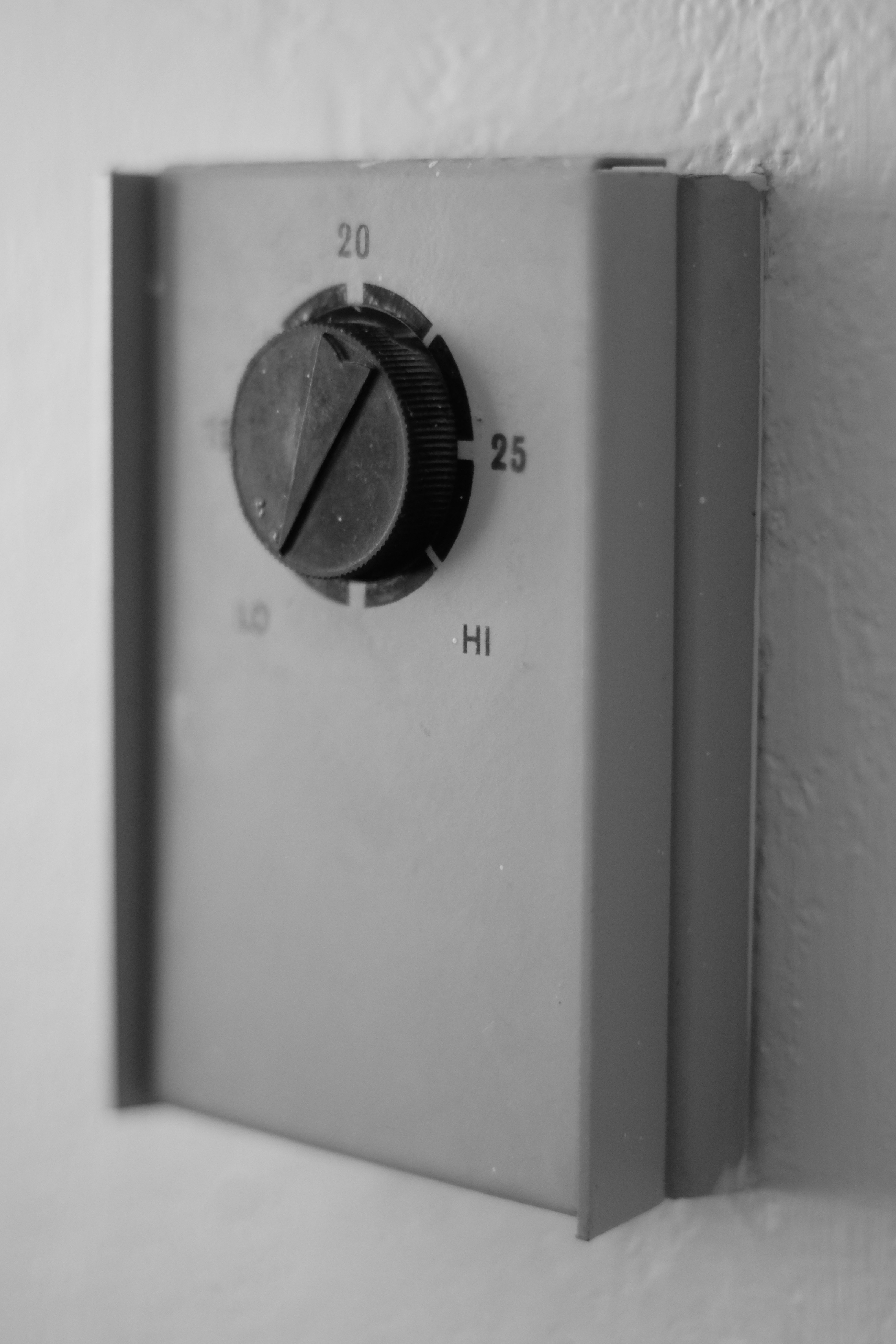
Thermostat Installation in Redwood City, CA
Upgrading or replacing a thermostat is one of the most effective ways to improve indoor comfort and reduce energy costs in Redwood City, CA homes. Proper thermostat installation in Redwood City, CA goes beyond swapping devices; it requires compatibility evaluation, precise wiring and mounting, calibration with your heating and cooling system, and clear user training to ensure the unit delivers consistent comfort and efficiency in our local climate. This page explains what a professional installation looks like, common issues homeowners face, and why a correctly installed thermostat matters for comfort and savings.
Why thermostat installation matters in Redwood City
Redwood City has mild, Mediterranean-influenced weather with cool marine air moving in from the Bay and seasonal temperature swings. Many homes experience daytime warmth and cooler evenings, which means your thermostat must be set up to respond accurately to changing conditions. A properly installed thermostat can:
- Maintain consistent temperatures between warmer afternoons and cooler nights
- Optimize HVAC run times to avoid overcooling during coastal breezes
- Support zoned systems or heat pump controls common in Peninsula homes
- Improve energy efficiency and comfort in both older and newer construction
Common thermostat installation needs and issues in Redwood City
Homeowners typically seek thermostat installation when they experience problems or want better energy control. Common scenarios include:
- Old or failing thermostats that drift or lose calibration
- Upgrades from manual to programmable or smart thermostats for schedule automation
- Compatibility issues with heat pumps, dual-fuel systems, or multi-stage HVAC equipment
- Poor wiring, missing C-wire, or unsafe electrical connections
- Incorrect mounting that reads false temperatures due to direct sunlight, drafts, or poor placement
- Integration needs with home automation systems or zoning controls
Understanding these issues helps determine the right thermostat and installation approach for Redwood City homes.
Evaluation of system compatibility
Before any installation, a professional will evaluate your heating and cooling equipment to ensure the new thermostat will work reliably. That evaluation typically includes:
- Identifying system type: single-stage, multi-stage, heat pump, electric furnace, or ductless mini-splits
- Checking control voltages and wiring color codes
- Confirming the presence of a common wire (C-wire) or planning a safe power solution if absent
- Reviewing zoning panels, relays, or legacy control systems in older Redwood City houses
- Considering integration needs for smart home platforms or energy monitoring
This step prevents common failures like short cycling, incorrect compressor staging, or loss of Wi-Fi connectivity for smart models.
Programmable and smart thermostat options
Redwood City homeowners often choose between basic programmable thermostats and advanced smart thermostats. Key options and considerations:
- Programmable thermostats: 7-day or 5-2 schedules for manual comfort control and energy savings
- Smart thermostats: adaptive scheduling, learning algorithms, remote control via apps, and energy reports
- Heat pump compatible models: required for many Peninsula homes with heat pumps or hybrid systems
- Zoning and multi-stage support: needed for larger homes or systems with separate heating and cooling stages
- Local network compatibility: ensuring reliable Wi-Fi or integration with home automation hubs
Professionals recommend selections based on system compatibility, household routines, and the desire for remote access or energy tracking.
Professional wiring and mounting
Correct wiring and secure mounting are essential for reliable operation and safety. A professional installation includes:
- Safe handling of low-voltage wiring and verification of power sources
- Installing or adapting a C-wire solution when necessary, including constant power modules or transformer checks
- Proper labeling and documentation of wire connections for future service
- Mounting the thermostat on an interior wall, away from direct sun, doorways, vents, or heat-generating appliances
- Concealing wiring cleanly and restoring any wall finishes disturbed during installation
Proper mounting reduces false readings and prevents nuisance cycling that can waste energy and reduce comfort.
Calibration, system integration, and testing
After physical installation, technicians perform calibration and integration steps to ensure the thermostat and HVAC system work together:
- Calibrating temperature sensors and verifying setpoint accuracy
- Configuring system type, number of stages, and fan control settings
- Testing heating and cooling cycles, verifying proper compressor and furnace operation
- Ensuring compatibility with smart features, scheduling, and energy-saving modes
- Running a complete test sequence to confirm safe operation and efficient cycling
This testing helps avoid problems like short cycling, delayed responses, or incorrect staging that can stress equipment and increase costs.
User training on operation and schedules
A new thermostat delivers the most value when homeowners know how to use it. Included user training typically covers:
- Basic operations: changing setpoints, switching between modes, and manual overrides
- Programming schedules: setting comfortable day/night or weekday/weekend routines
- Smart features: using apps, learning modes, geofencing, and remote adjustments
- Energy-saving strategies: setback recommendations for Redwood City evenings and daytime management during warmer periods
- Troubleshooting basics: interpreting error codes, resetting, and when to seek professional help
This empowers residents to maintain comfort while maximizing energy savings.
Warranty and service agreement information
Professional thermostat installations usually come with warranty and service options to protect your investment. Typical elements include:
- Manufacturer warranty on the thermostat hardware
- Installer workmanship warranty covering wiring and mounting
- Optional service agreements for seasonal checkups, calibration, and priority service
- Documentation of installed model, wiring diagram, and calibration settings for future reference
Understanding warranty terms and scheduled maintenance helps keep the thermostat and HVAC system operating efficiently for years.
How a correctly installed thermostat improves comfort and energy savings
When installed and configured correctly for Redwood City homes, a thermostat provides measurable benefits:
- More consistent indoor temperatures despite coastal breezes and diurnal swings
- Reduced energy use through accurate scheduling and responsive controls
- Extended HVAC equipment life due to proper staging and reduced cycling
- Greater visibility into energy use with smart reporting, enabling informed adjustments
- Better indoor comfort tailored to daily routines and occupants preferences
A professionally installed thermostat is a practical upgrade that pays off through lower energy bills, improved comfort, and fewer system problems.
Maintenance tips and final considerations
To keep a thermostat performing well in Redwood City conditions:
- Check and replace batteries on battery-backed models annually
- Keep the unit dust-free and avoid blocking airflow around the device
- Review schedules seasonally to match changing daylight and temperature patterns
- Schedule routine HVAC tune-ups to maintain system efficiency and compatibility
- Monitor firmware updates for smart thermostats to ensure security and feature improvements
A well-chosen and correctly installed thermostat tailored to your system and local climate will deliver reliable comfort and long-term energy savings for Redwood City homes.
hear what our satisfied clients have to say

.svg)
Service areas
.avif)