
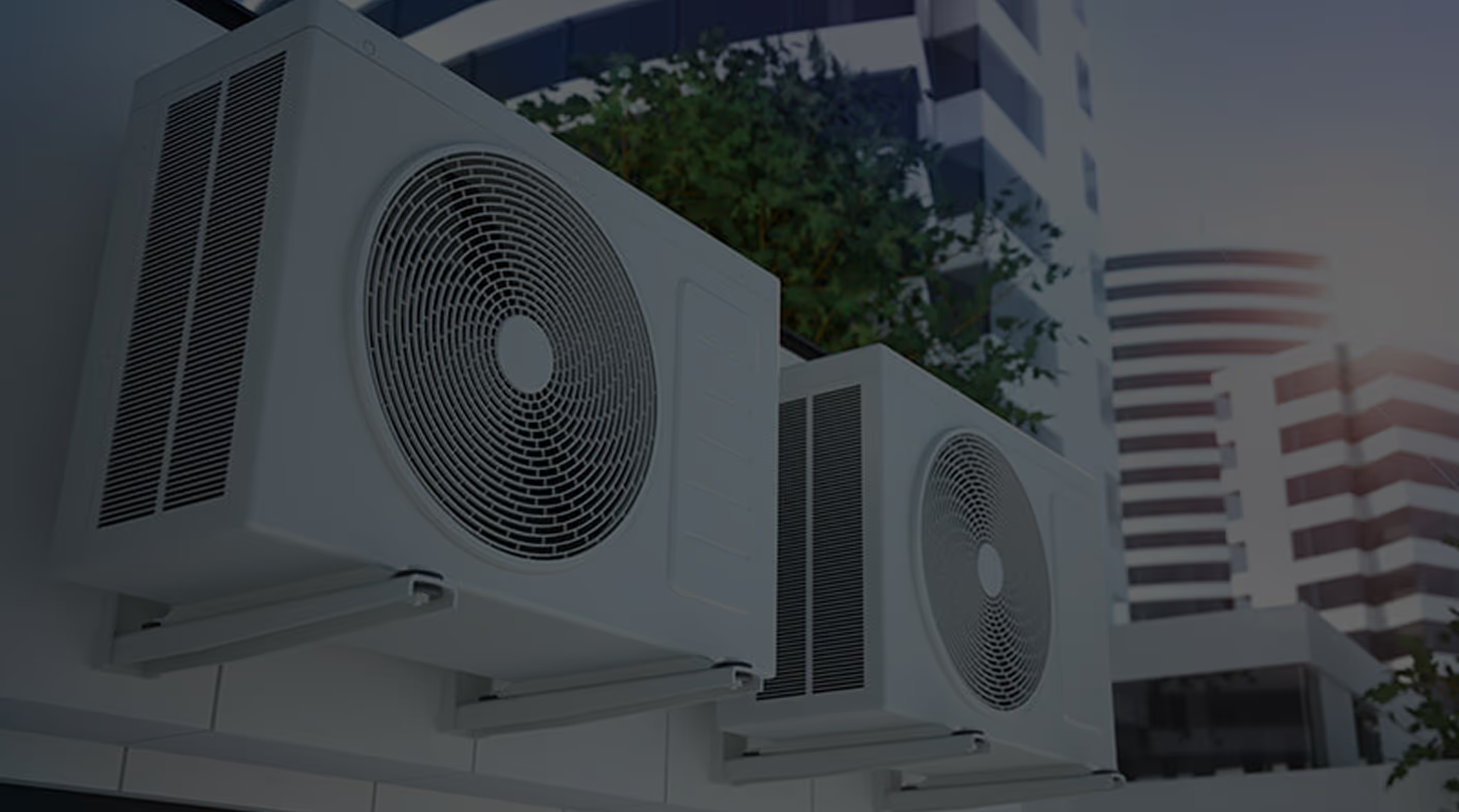
Smart Thermostat Installation in Redwood City, CA
Smart Thermostat Installation in Redwood City, CA delivers improved comfort and energy efficiency through professional wiring, system compatibility checks, and tailored programming. This service covers pre-installation audits, C-wire solutions, multi-zone and heat pump configurations, and secure app setup to ensure reliable remote access. Customers gain access to utility rebates and enrollment support, plus ongoing optimization through schedules, geofencing, and energy reports. Regular maintenance, firmware updates, and annual HVAC tuneups maximize savings and comfort while protecting home networks and devices in local climate conditions.
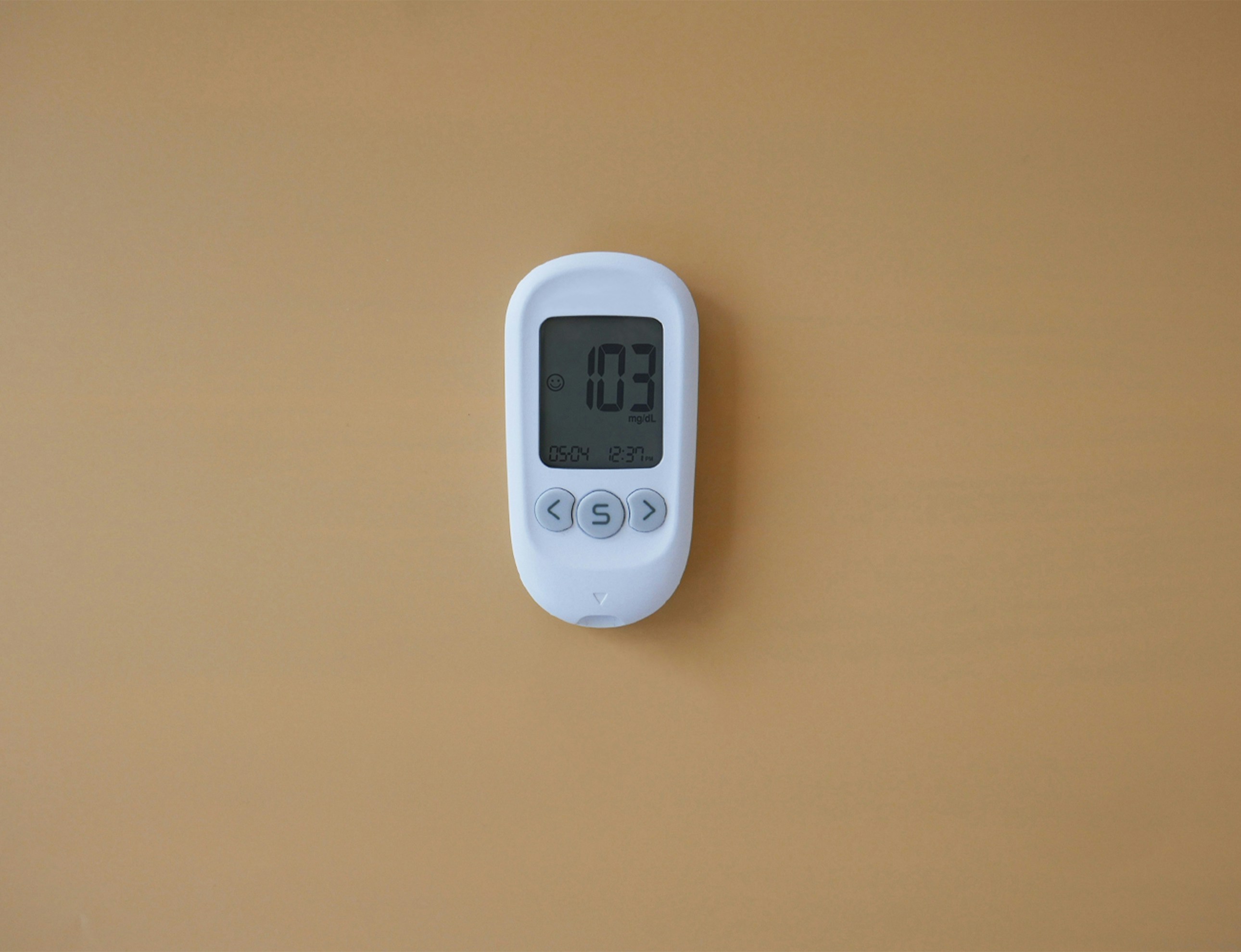
Smart Thermostat Installation in Redwood City, CA
Upgrading to a smart thermostat is one of the highest-impact improvements you can make for comfort and energy savings in Redwood City, CA. A professionally installed Wi‑Fi enabled thermostat gives you remote control from a mobile app, precise scheduling, and compatibility with modern HVAC systems like heat pumps, furnaces, and mini-splits. For Redwood City homes, where mild Mediterranean weather and warm inland afternoons create predictable daily patterns, a correctly configured smart thermostat can significantly reduce wasted energy while keeping living spaces comfortable.
Why Smart Thermostat Installation in Redwood City, CA matters
- Local climate advantages: Redwood City experiences mild winters and warm summers. Smart scheduling and remote access let you take advantage of cool evenings for natural ventilation and reduce cooling during low-use hours.
- Energy cost considerations: California electricity rates and demand charges make efficiency important. Smart thermostats enable demand response features and enrollment in utility rebate programs to lower upfront cost and operating expenses.
- Home comfort: Smart controls adapt to daily routines and maintain more consistent temperatures across bedrooms and living areas, improving sleep and overall comfort.
Common smart thermostat issues and compatibility checks in Redwood City
Before installation, assessing your system avoids surprises. Technicians commonly check for:
- Power source (C‑wire): Many smart thermostats require a continuous 24V power connection. Older systems may lack a C‑wire; installers may use a C‑wire adapter, an unused conductor, or a power extender.
- System type compatibility: Confirm compatibility with heat pumps (single and multi-stage), gas or electric furnaces, and mini‑split systems. Some mini‑splits require a separate Wi‑Fi interface or are controlled directly through their own thermostat.
- Multi‑zone and two‑stage systems: Zoned HVAC, multiple stages, and integrated humidifiers or dehumidifiers need specialized configuration to ensure all functions work properly.
- Wiring condition: Corroded, frayed, or mislabeled wires can prevent correct installation and should be repaired before setup.
- Wi‑Fi coverage: Reliable home Wi‑Fi is essential for remote access. Weak signals may require a network extender or strategic router placement.
Professional installation and configuration process
A professional smart thermostat installation typically follows a clear diagnostic and setup workflow:
- Pre‑installation audit
- Identify HVAC system type, control wiring, and any auxiliary equipment.
- Check for required sensors, zoning controllers, and network readiness.
- Compatibility solution
- If the C‑wire is missing, install an adapter or power module, or use an alternative power solution.
- Determine special interfaces for mini‑splits or proprietary systems.
- Mounting and wiring
- Safely power down the HVAC system, remove the old thermostat, and label wires.
- Securely mount the new thermostat and connect wires according to manufacturer and system requirements.
- Network and app setup
- Connect the thermostat to the home Wi‑Fi and configure the mobile app, user account, and any cloud services.
- Enroll the thermostat in any compatible utility programs if available.
- Professional configuration
- Program schedules, integrate geofencing or presence detection, and set up any linked sensors or zones.
- Configure advanced settings for heat pump staging, fan control, emergency heat thresholds, and minimum run times for compressors.
- Testing and verification
- Run heating and cooling cycles, confirm correct operation for all stages, and verify that remote controls and schedules operate as intended.
- Provide a brief walkthrough of app features, energy reports, and security settings.
Utility rebates and enrollment
Many Redwood City residents qualify for utility rebate programs and demand response incentives for smart thermostat installations. A professional installer can:
- Check eligibility for local utility rebates and programs.
- Complete required paperwork or online enrollment.
- Submit installation documentation and system serial numbers to secure rebates or incentives.These programs often reduce the upfront cost and can enable additional energy management options like remote load control during peak events.
Security and data considerations
Smart thermostats collect usage data and connect to cloud services. Important security practices include:
- Use strong, unique passwords for the thermostat account and connected email.
- Enable two‑factor authentication if available for the app account.
- Keep firmware updated to patch vulnerabilities and improve performance.
- Review permissions and data sharing in the mobile app. Disable unnecessary integrations that share data with third parties.
- Secure your home Wi‑Fi by using WPA2/WPA3 encryption and a strong network password. Consider a separate guest network for IoT devices if you have multiple smart gadgets.
Tips for optimizing schedules for comfort and efficiency
For Redwood City homes, small schedule tweaks can yield noticeable savings:
- Use setback schedules: Reduce heating slightly during sleep hours and lower cooling setpoints during the workday when the house is empty. Aim for modest setbacks to avoid excess recovery runtimes.
- Geofencing and presence: Enable location-based adjustments so the system shifts to comfort mode when someone is returning home and to energy mode when everyone leaves.
- Leverage mild evenings: Program the thermostat to use natural ventilation during cool evenings instead of running AC.
- Use learning or adaptive modes wisely: Let learning thermostats adapt, but review learned schedules seasonally to match changing habits.
- Coordinate with zoning: If you have multiple zones or mini‑splits, program different schedules per zone to avoid conditioning empty rooms.
- Monitor energy reports: Regularly review energy usage trends in the app and adjust setpoints or schedules if consumption spikes.
Maintenance and long‑term benefits
- Seasonal checks: Review schedules and settings at the start of summer and winter. Confirm sensor placement remains optimal and batteries are replaced if present.
- Software updates: Keep firmware current to ensure security and functionality.
- HVAC system maintenance: Pair thermostat optimization with annual HVAC tuneups for best efficiency and longevity.
- Ongoing savings: Properly installed and configured smart thermostats typically reduce heating and cooling costs through targeted setbacks, better control, and participation in load reduction programs.
Smart Thermostat Installation in Redwood City, CA offers measurable comfort and energy benefits when matched to your home’s HVAC system and local climate patterns. A methodical compatibility check, professional wiring and configuration, secure app setup, and thoughtful scheduling tailored to Redwood City living will deliver predictable comfort and lower operating costs over time.
hear what our satisfied clients have to say

.svg)
Service areas
.avif)