

Heat Pump Service in Redwood City, CA
Heat pump service in Redwood City, CA from Plum HVAC provides comprehensive diagnostics, preventive maintenance, installation and replacement options, and modern controls to keep air-source and ductless systems running efficiently in coastal conditions. We outline common issues, recommended diagnostics, repair pathways, and when replacement makes sense, plus guidance on installations, system optimization, service plans, and emergency options. We also highlight local climate challenges, corrosion concerns, and energy-saving strategies to extend equipment life, reduce costs, and maintain year-round comfort.
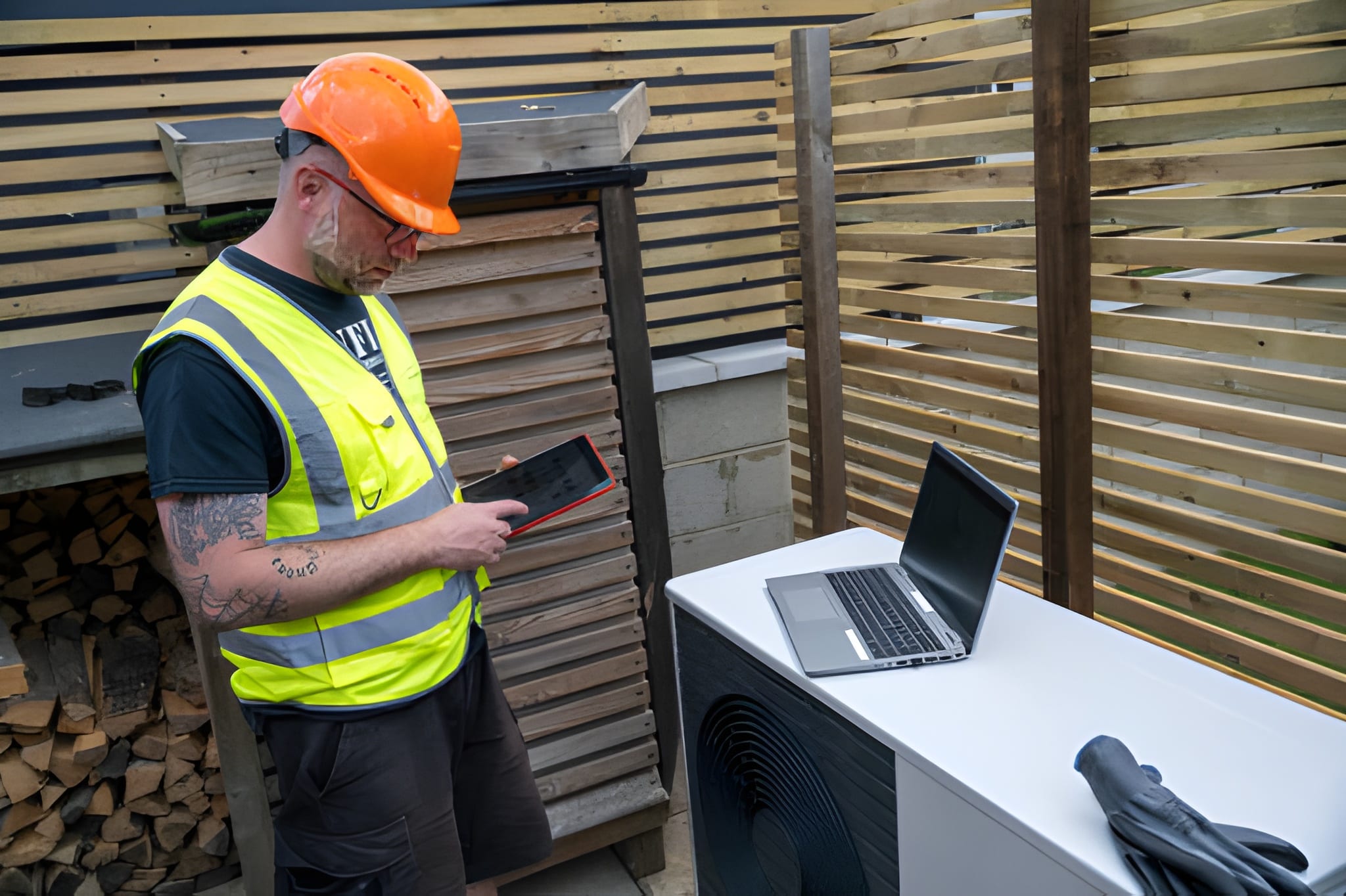
Heat Pump Service in Redwood City, CA
Heat pumps are an increasingly popular choice for Redwood City homes, offering year-round comfort and higher efficiency than traditional heating or cooling systems. Whether you have an air-source heat pump, a ductless mini-split, or a hybrid system paired with a furnace, professional heat pump service in Redwood City, CA ensures reliable performance, longer equipment life, and lower energy bills. This page outlines the full range of services—diagnostics and repairs, preventive maintenance, installations and replacements, system optimization and controls integration, service agreements, and emergency options—along with what to expect during each step.
Why heat pump service matters in Redwood City
Redwood City’s mild Mediterranean climate and warmer microclimate on the Peninsula put unique demands on heat pump systems. Summers can be warm and sunny, increasing cooling runtime, while coastal air brings humidity and salt exposure that can accelerate outdoor unit corrosion. Proper service addresses these local challenges, helps maintain peak efficiency during shoulder seasons, and ensures systems are ready for both heating and cooling cycles.
Common heat pump issues in Redwood City
Homeowners in this area most often report the following problems:
- Reduced heating performance on cool nights or during extended cool spells.
- Short cycling or frequent on/off cycles that increase wear.
- Loss of cooling capacity during hotter periods.
- Corrosion or reduced airflow from outdoor coil exposure to salty marine air.
- Refrigerant leaks caused by vibration or aged piping.
- Thermostat and control problems after smart thermostat upgrades or power events.
- Noisy operation from failing fan motors, compressors, or loosely mounted components.
Understanding these common issues helps prioritize diagnostics and prevent small issues from becoming major failures.
Diagnostics: how a pro evaluates your heat pump
A professional heat pump inspection follows a consistent process designed to find both obvious and hidden faults:
- Visual inspection of indoor and outdoor units for corrosion, debris, and physical damage.
- Verification of refrigerant charge and leak detection when levels are low.
- Electrical testing of capacitors, contactors, relays, and wiring for safety and reliability.
- Examination of airflow: filter condition, blower motor function, and duct leaks or restrictions.
- Evaluation of compressor health, reversing valve function, and defrost cycle operation.
- Thermostat calibration and verification of control wiring and sensor performance.
- Performance test under load to confirm capacity and efficiency (measuring supply and return temperatures).
A thorough diagnostic produces a clear recommendation: repair, optimization, or replacement, based on system condition, age, and cost-effectiveness.
Repairs and deciding when to replace
Common repairs include:
- Fixing refrigerant leaks and recharging to proper levels.
- Replacing fan motors, capacitors, and control relays.
- Repairing or replacing compressors or reversing valves when feasible.
- Cleaning and treating outdoor coils to mitigate salt corrosion.
- Repairing or sealing ductwork to restore airflow and efficiency.
- Calibrating or replacing thermostats and sensors.
Replacement is often the most sensible option when:
- The system is past typical service life (commonly 10-15 years for many air-source units).
- Repairs are frequent or the cost of repair approaches a significant fraction of replacement.
- Efficiency gains from a modern unit will deliver rapid payback given local energy costs.A replacement includes proper sizing (Manual J load calculation), ductwork evaluation, and consideration of a high-efficiency inverter-driven system or ductless multi-zone solutions for older homes with limited ductwork.
Installations and replacements: what matters in Redwood City
Key considerations for a successful heat pump installation:
- Accurate load calculation to avoid oversized or undersized equipment that reduces comfort and efficiency.
- Corrosion-resistant materials and protective placement for outdoor units to combat coastal salt exposure.
- Ductwork evaluation and improvements to minimize leaks and ensure balanced airflow.
- Selection between air-source, ductless mini-split, or hybrid systems depending on home layout, insulation, and retrofit constraints.
- Compliance with local permits and codes; proper electrical service and disconnects for safety.
- Attention to noise levels and visual placement to maintain neighborhood consistency.
A properly scoped installation maximizes system lifespan and reduces operating costs in Redwood City’s specific climate.
System optimization and controls integration
Modern controls dramatically improve comfort and efficiency:
- Smart thermostats that learn patterns, adjust for local weather, and optimize defrost cycles.
- Zoning systems using dampers or multi-zone mini-splits to deliver targeted comfort and cut energy use in unused areas.
- Integration with home energy systems, including solar PV and battery storage, to shift heat pump operation to low-cost or self-generated power.
- Advanced diagnostics and remote monitoring for proactive maintenance and performance tuning.
Upgrading controls is especially useful in Redwood City where shoulder season temperatures can make adaptive control strategies very effective.
Service agreements and emergency options
Service agreements provide predictable care and priority attention:
- Regular seasonal tune-ups (spring and fall) that include safety checks, refrigerant verification, coil cleaning, and airflow inspection.
- Priority scheduling and discounted parts or labor for members.
- Record keeping that helps maintain manufacturer warranty requirements.Emergency service options are important for unexpected failures during heat or cold spells:
- Rapid response to restore operation or provide safe shutdown.
- Temporary measures to protect the system while parts are sourced or repairs scheduled.
Service plans tailored to local needs help Redwood City homeowners avoid uncomfortable interruptions and costly emergency repairs.
Maintenance tips and long-term benefits
Simple homeowner actions complement professional service:
- Replace filters regularly and keep outdoor units clear of debris and vegetation.
- Protect outdoor units from direct spray and salt exposure where possible.
- Monitor system performance and note any changes in noise, cycles, or comfort.
Regular professional maintenance and timely repairs lead to:
- Lower energy bills through improved efficiency.
- Fewer emergency breakdowns and longer equipment life.
- Better indoor comfort with more consistent temperature and humidity control.
- Enhanced resale value through documented system care.
Professional heat pump service in Redwood City, CA ensures systems are tailored to local climate realities, run efficiently year-round, and remain reliable for years to come. Proper diagnostics, targeted repairs, thoughtful replacements, and modern control integration all contribute to comfort, cost savings, and fewer surprises.
hear what our satisfied clients have to say

.svg)
Service areas
.avif)