
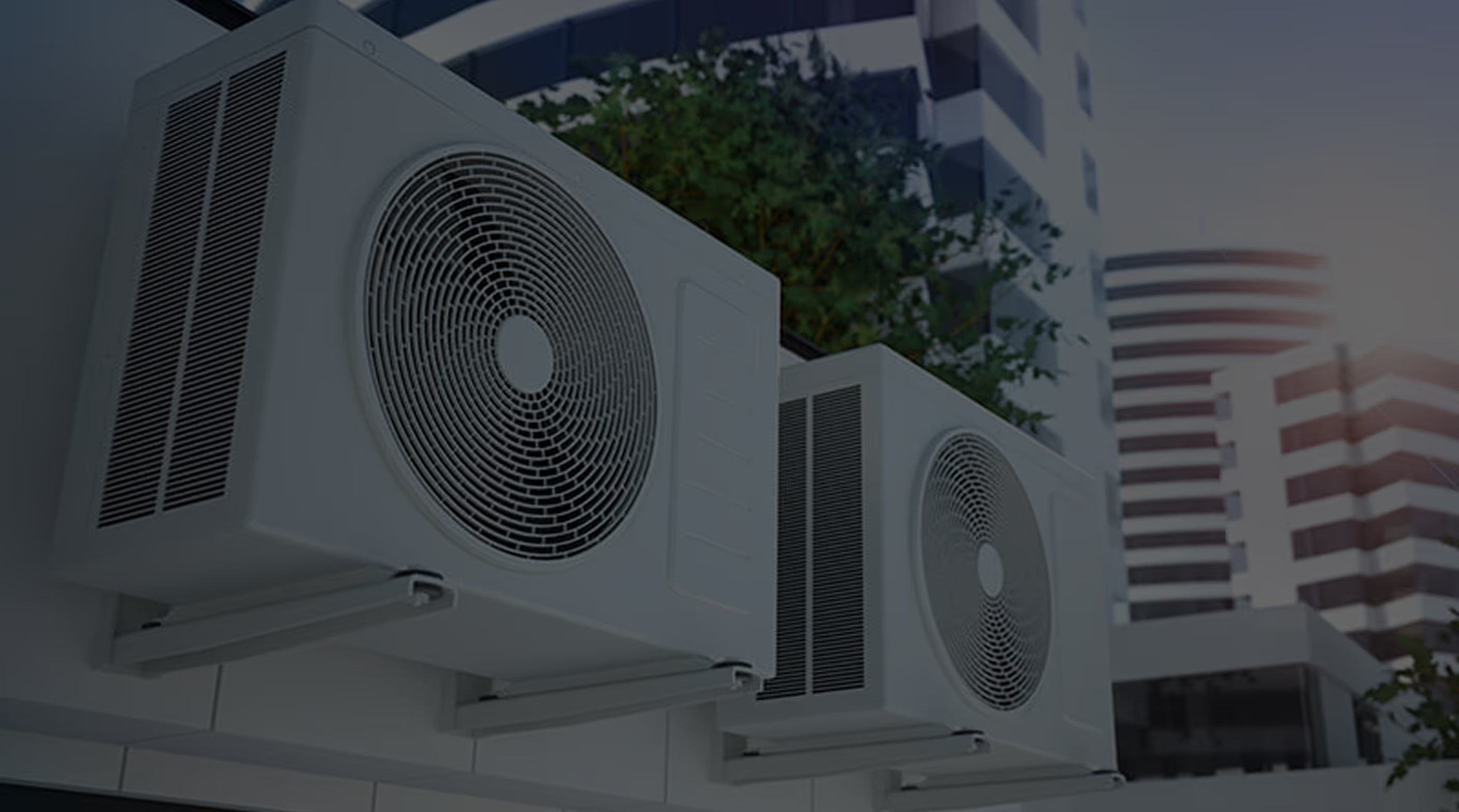
Heat Pump Repair in Emmerald Hills, CA
When your heat pump needs attention in Emerald Hills, CA, Plum HVAC delivers comprehensive on-site diagnostics and durable repairs to bring back reliable heating and overall comfort. We pinpoint common failure symptoms, perform methodical inspections, and prioritize safety and transparency at every step. Our skilled technicians service compressors, reversing valves, fans, controls, and refrigerant systems, manage emergency responses, and document warranty coverage and post-repair tests. We also offer preventive maintenance guidance to minimize future breakdowns, optimize efficiency, and extend equipment life in our local climate conditions.

Heat Pump Repair in Emmerald Hills, CA
When your heat pump fails, it affects comfort, safety, and energy bills. Heat Pump Repair in Emmerald Hills, CA focuses on fast, accurate diagnostics and durable repairs that restore reliable heating and cooling. Whether you have intermittent cycling, weak heating in winter, or a noisy outdoor unit, this page explains common failure symptoms, what technicians do on site, typical repair work (compressors, reversing valves, fans, controls), emergency response expectations, timelines, how warranties are handled, and the post-repair inspections used to return systems to efficient operation.
Why location matters: Emmerald Hills conditions that affect heat pumps
Homes in Emmerald Hills experience generally mild winters with occasional cold snaps and warm summers with occasional heat waves. That climate pattern places year-round demand on heat pumps and can reveal different failure modes than in strictly cold climates. In areas closer to the coast or with higher humidity, salt air and moisture can accelerate corrosion of outdoor components and affect electrical connections. Understanding local climate influence helps prioritize inspections and parts most likely to fail.
Common heat pump failure symptoms in Emmerald Hills
Recognizing symptoms early avoids bigger repairs. Common signs include:
- Weak or no heating or cooling even when the system runs
- Unit short-cycling (turning on and off frequently)
- Unusual noises: grinding, hissing, or loud clunks from the outdoor unit
- Ice buildup on outdoor coil during heating mode
- Indoor temperature overshoot or wide temperature swings
- Tripped breakers or frequent fuse failures
- Higher than usual utility usage with reduced comfort
- Refrigerant odor or visible oil stains indicating leaks
On-site troubleshooting and diagnostic process
Technicians follow a methodical diagnostic process to identify root causes rather than simply treating symptoms:
- Arrival and safety check: power isolated, visual inspection for obvious damage, and verification of safe working conditions.
- System history review: recent service records, thermostat settings, and symptom timeline.
- Electrical diagnostics: multimeter testing of voltage, current draw, capacitors, contactors, and control board outputs.
- Refrigerant and pressure testing: measuring pressures, temperatures, and checking for leaks with electronic detectors or dye when needed.
- Airflow and duct assessment: verifying filter condition, blower operation, and static pressures to find restrictions.
- Mechanical inspection: fan motor/shaft condition, compressor sound and vibration, reversing valve operation, and coil cleanliness.
- Control and sensor checks: thermostat calibration, defrost control function, and communication among components.
This diagnostic routine narrows down the cause and supports a transparent repair recommendation.
Typical component repairs and replacements
Common repair work performed on heat pumps includes:
- Compressor replacement or repair - for systems with motor failure, locked rotor, or internal damage
- Reversing valve service or replacement - when the heat pump fails to switch between heating and cooling modes or is stuck
- Outdoor fan motor or blade repair - addressing poor airflow, excess vibration, or motor failure
- Control board and relays - correcting communication faults, failed relays, or malfunctioning logic controls
- Capacitors and contactors - common wear items that cause start-up failures or intermittent operation
- Thermostat and sensor replacement - for inaccurate temperature control or faulty demand signals
- Refrigerant leak repair and recharging - locating leaks, repairing piping, evacuating and recharging per manufacturer specifications
- Defrost control and sensor repairs - for ice buildup during heating cycles
Technicians match replacement parts to manufacturer specifications and verify compatibility with system refrigerant and controls.
Emergency repair response and what to expect
Certain failures are treated as emergencies because they affect safety or critical comfort:
- No heat during cold periods or no cooling during extreme heat
- Electrical burning smells or visible sparking
- Major refrigerant leaks with strong odors
- Units causing persistent breaker trips that affect other circuits
On emergency calls, technicians prioritize safety, stabilize the system if possible (temporary fixes to restore operation), and clearly document the immediate actions required. Emergency response typically includes isolation of hazardous components, temporary repairs that restore basic function, and scheduling full repairs or parts replacement as needed.
Expected repair timelines and factors that influence them
Repair timelines vary by issue complexity and parts availability:
- Minor repairs and part swaps (capacitors, contactors, fan motors) can often be completed the same day.
- Refrigerant leak location and repair may require more time for leak tracing, sealing, and proper evacuation before recharging.
- Major component replacements (compressor, reversing valve) often require additional time for obtaining the correct part, recovering and reclaiming refrigerant, and performing a full system evacuation and recharge. This can extend repair to multiple days in some cases.
- Electrical control board replacement and complex diagnostic work may also take longer depending on parts lead time.
Factors influencing timelines include system age, part availability, whether the system uses older refrigerants, and the need for permits or specialized equipment.
Warranty handling and documentation
Warranty management is an important part of professional repair work:
- Technicians check both manufacturer component warranties and any existing labor warranties from earlier services.
- Service documentation includes serial numbers, photos of failed components, diagnostic readings, and itemized repair reports to support warranty claims.
- For manufacturer-covered failures, technicians typically prepare the documentation required for a warranty claim and can coordinate with authorized service channels or provide guidance on submitting claims.
- Labor warranties and service guarantees are documented with clear start and end dates, inclusions, and exclusions.
Transparent paperwork ensures you have the records needed for follow-up warranty coverage.
Post-repair inspections and performance testing
After repairs, a thorough verification process restores efficient operation and protects longevity:
- Start-up sequence verification: confirming safe and correct start-up behavior across modes
- Electrical re-checks: verifying proper voltage, amp draw, and secure connections
- Refrigerant charge validation: temperature split and pressure measurements to confirm correct refrigerant levels and system performance
- Airflow testing and temperature rise/drop checks across the coil
- Defrost cycle observation (when relevant) to ensure reliable switching in heating mode
- Operational run test under load and documentation of baseline performance metrics for future comparison
Technicians will leave a written description of the repairs performed and the tests run so you can track system health over time.
Preventive maintenance tips to reduce future repairs
Regular maintenance extends life and reduces emergency calls:
- Replace or clean filters regularly, especially during high local pollen or wildfire seasons
- Keep the outdoor unit clear of plants, debris, and irrigation spray
- Schedule annual tune-ups before peak heating and cooling seasons
- Address minor issues quickly—strange noises, decreased airflow, or short-cycling—before they escalate
- Protect the outdoor unit from salt air corrosion if your property is near the coast by rinsing and applying corrosion-resistant coatings as recommended
Consistent upkeep is the most cost-effective way to avoid major component failures in Emmerald Hills homes.
ConclusionHeat Pump Repair in Emmerald Hills, CA focuses on accurate diagnostics, durable component repairs, and thorough post-repair verification tailored to local climate demands. Understanding symptoms, the diagnostic steps technicians take, common replacement parts, emergency response expectations, warranty handling, and post-repair testing helps you make informed decisions about restoring efficient, reliable comfort in your home.
hear what our satisfied clients have to say

.svg)
Service areas
.avif)