
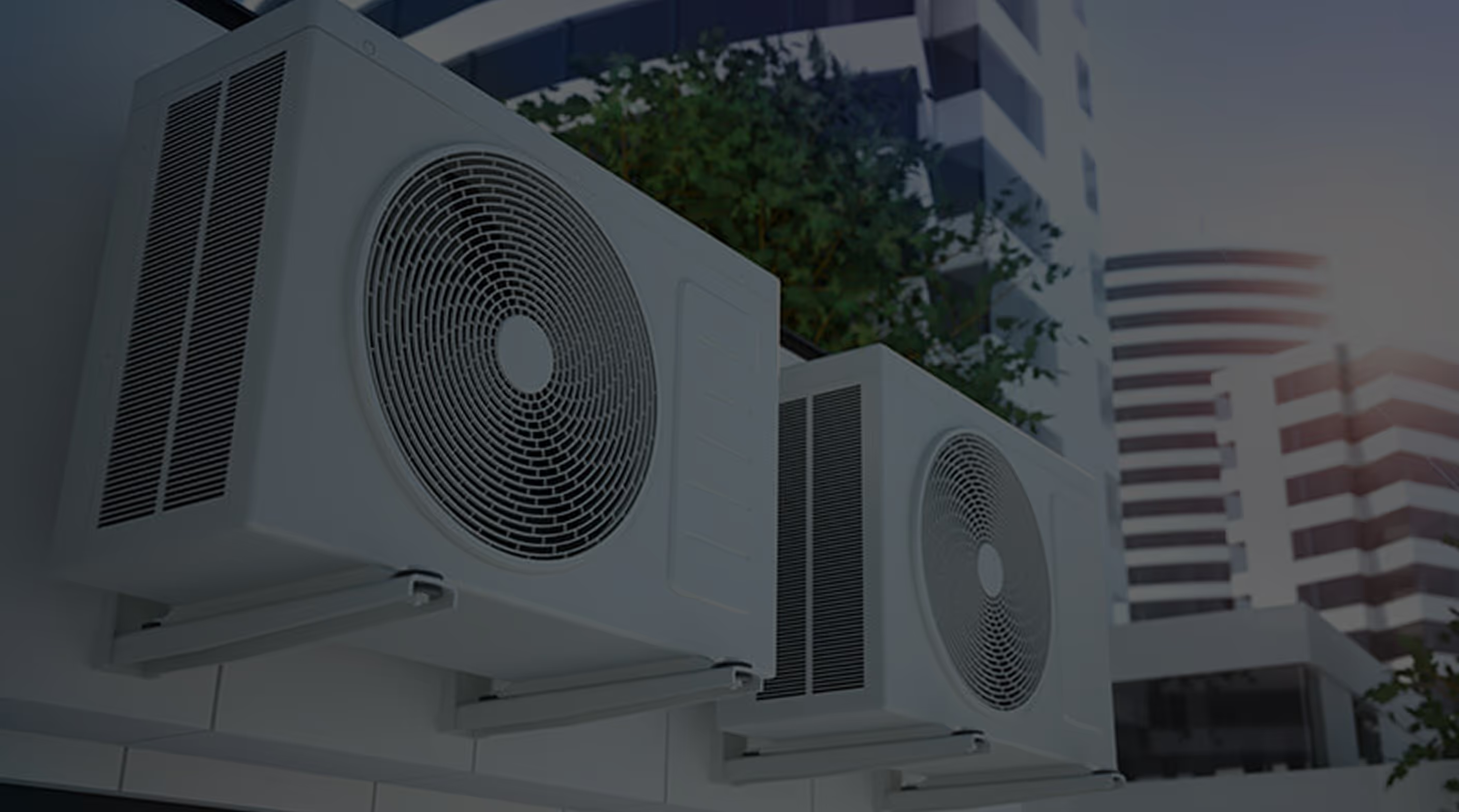
Air Conditioning Replacement in Redwood City, CA
Redwood City homeowners considering AC replacement will find a thorough guide from Plum HVAC on when to replace, how systems are evaluated, and how to compare equipment by SEER and efficiency. We outline cost factors, rebates, and financing, plus coordination of ductwork and thermostats to ensure long-term performance. Plum HVAC covers typical installation timelines, expected energy savings, and warranty considerations, including manufacturer coverage and contractor workmanship. A well-planned replacement delivers improved comfort, reliability, and lower energy bills over the life of the new system.
.jpeg)
Air Conditioning Replacement in Redwood City, CA
Replacing an aging or unreliable air conditioning system is a major decision for Redwood City homeowners. With warm summer afternoons, occasional heat waves, and rising energy costs in the Bay Area, a full AC replacement can improve comfort, reduce utility bills, and prevent repeated emergency repairs. This page explains when to consider full AC replacement in Redwood City, how systems are evaluated, equipment comparisons and efficiency ratings, cost drivers, available rebates and financing options, coordination with ductwork and thermostats, typical installation timelines, and what to expect for long-term energy savings and warranties.
When to consider a full AC replacement in Redwood City
Consider replacing your AC when one or more of the following apply:
- The system is over 10–15 years old and uses low efficiency technology.
- Repairs have been frequent or costly in the last 2–3 years.
- Cooling performance is inconsistent: some rooms stay hot despite repairs.
- Energy bills are rising without a change in usage patterns.
- The compressor has failed or replacement parts are hard to find.
- You want to switch to a higher-efficiency system or a heat pump to reduce carbon footprint.
In Redwood City, even moderate heat spikes and long summer days mean an outdated system can struggle. Replacing before the hottest months can avoid downtime and emergency service calls.
Evaluation process: age, efficiency, and repair history
A thorough evaluation balances documented history and on-site inspection:
- Age and documented repairs: Older systems often use less efficient refrigerants and components. Frequent compressor, coil, or refrigerant repairs suggest replacement is more cost-effective than patching.
- Efficiency metrics: Technicians compare current performance to rated Seasonal Energy Efficiency Ratio (SEER) and measured output. Systems below modern SEER standards typically consume significantly more energy.
- Cooling capacity and load analysis: Proper sizing (Manual J load) determines if your system is under- or oversized. Improper sizing causes short cycling or inadequate dehumidification.
- Ductwork and airflow: Leaks, poor insulation, and under-sized ducts reduce system effectiveness and can justify simultaneous duct improvements.
- Thermostat and controls: Old thermostats or incompatible controls limit benefits from modern variable-speed equipment and zoning.
This evaluation yields a recommendation: repair and monitor, partial system replacement, or full replacement with matched new components.
Equipment types and efficiency ratings
Choosing the right equipment depends on your home, budget, and goals:
- Central split system (traditional): Outdoor condenser + indoor air handler. Available in fixed-speed and variable-speed compressors. SEER typically ranges from mid-teens to over 20 for high-efficiency units.
- Air-source heat pump: Provides both cooling and efficient heating. Modern heat pumps are highly efficient and work well in Redwood City’s mild climate, often delivering year-round savings.
- Ductless mini-splits: Good for room additions, zones without ducts, or where minimal disruption is important. High efficiency and individual room control.
- Variable-speed and multi-stage compressors: Improve comfort and dehumidification by running longer at lower speeds, reducing temperature swings and energy use.
Efficiency considerations:
- SEER is the primary cooling efficiency metric; higher SEER means lower energy use for the same cooling capacity.
- Inverters and variable-speed technology increase upfront cost but often pay back through reduced energy use and better comfort.
- California efficiency standards and local utility programs influence recommended minimums, making high-efficiency units more attractive in Redwood City.
Cost factors for AC replacement
Costs vary based on several factors:
- Equipment type and SEER rating.
- System size and home load requirements.
- Complexity of installation: access, rooftop vs ground, and electrical upgrades.
- Ductwork repairs, replacement, or sealing and insulation needs.
- Thermostat and zoning controls.
- Permits, disposal of old equipment, and local inspection fees.
- Warranty level and any extended coverage options.
Budgeting should account for both equipment and the building work required to deliver designed performance.
Rebate and financing guidance
Redwood City homeowners often qualify for multiple incentive pathways:
- Local utility rebates and efficiency programs reward high-SEER or heat pump installations; eligibility depends on model and installation details.
- State and federal incentives or tax credits may be available for qualifying high-efficiency heat pumps and electrification upgrades.
- Financing options, including energy efficiency loans or on-bill financing programs, can spread replacement costs and be paired with rebates for lower monthly impact.
Eligibility and program details change over time, so have your system specifications ready during rebate pre-approval and choose equipment that meets program criteria.
Ductwork and thermostat coordination
A matched system is essential for long-term performance:
- Duct assessment: Sealing leaks, re-sizing runouts, and improving insulation often yields measurable improvements in comfort and efficiency. Poor ducts can negate benefits of a high-efficiency unit.
- Airflow balancing: Proper fan and duct sizing prevents short-cycling and uneven cooling.
- Thermostats and controls: Upgrading to a smart or programmable thermostat, or implementing zoning controls, maximizes savings and comfort—especially with variable-speed equipment and heat pumps.
- Integration: Ensure new thermostats are compatible with the chosen equipment and with any existing home automation systems.
Coordinating these elements during replacement avoids costly retrofits later.
Typical installation timeline
A standard replacement project in Redwood City follows these steps:
- On-site evaluation and load calculation (1 visit).
- Equipment selection and permit submission (several days to a week, depending on permitting).
- Delivery of equipment and scheduling of installation (manufacturer lead times vary).
- Installation day(s): removal of old equipment, installation of new condenser and air handler, duct adjustments, thermostat installation, electrical connections, and refrigerant charging (1–3 days for most homes).
- Startup, system testing, and final inspection (same day as installation or next day).Permits and inspections by the City of Redwood City typically add time to the schedule; plan installations outside peak summer demand if possible.
Long-term energy savings and warranty information
Long-term benefits of a properly sized, high-efficiency replacement:
- Lower energy bills: Upgrading from older low-SEER equipment to modern high-SEER units or heat pumps often reduces cooling energy use significantly, with typical savings varying by system and usage patterns.
- Improved comfort: Variable-speed systems and properly sealed ducts maintain more consistent temperatures and better humidity control.
- Reduced repair risk: New equipment carries manufacturer warranties and starts a fresh maintenance history, lowering unexpected repair costs.Warranty considerations:
- Manufacturer warranties typically cover compressors and parts; many offer 5–10 year limited parts coverage with options to extend.
- Installation workmanship is covered separately; expect a contractor workmanship guarantee for correct installation and startup.
- Keep documentation: Register equipment with the manufacturer and keep invoices and permit records for warranty and rebate purposes.
Replacing your AC in Redwood City is a strategic investment in comfort, reliability, and energy efficiency. A careful evaluation, matched equipment selection, coordinated duct and control upgrades, and awareness of local incentives ensure the replacement delivers measurable benefits for years to come.
hear what our satisfied clients have to say

.svg)
Service areas
.avif)