
Air Conditioning Maintenance in Redwood City, CA
Plum HVAC provides air conditioning maintenance in Redwood City, CA, emphasizing preventive care to prevent mid-summer breakdowns and maximize efficiency. We cover essential seasonal tune-ups, common local issues such as dirty filters, restricted airflow, and outdoor condenser corrosion, plus a detailed Plum HVAC maintenance checklist, from filter replacement to coil cleaning and electrical inspections. We also explain diagnostic steps, expected service plans, and practical tips to extend equipment life, reduce energy use, and maintain comfort during hot Redwood City summers.
.jpeg)
Air Conditioning Maintenance in Redwood City, CA
Keeping your home comfortable through Redwood City summers starts with reliable, routine air conditioning maintenance. Regular AC maintenance protects your system from heat-wave failures, improves efficiency during long cooling hours, and reduces the chance of costly emergency repairs. This page explains what a professional AC maintenance program and seasonal tune-up should include, common local issues, the step-by-step diagnostic process, plan options, and practical upkeep advice tailored to Redwood City, CA homes.
Why preventive AC maintenance matters in Redwood City
Redwood City experiences warm summers and occasional heat waves that put sustained stress on air conditioning systems. Coastal and bay influences can introduce mild humidity and salt-laden air that accelerates corrosion on outdoor condensers. Periodic smoke and fine-particle events during wildfire season also increase filter loading. Preventive AC maintenance in Redwood City helps you avoid mid-summer breakdowns, keeps energy use lower during peak demand, and preserves system life in our regional climate.
Common air conditioning maintenance issues in Redwood City homes
- Dirty or clogged air filters from seasonal pollen, coastal dust, and wildfire smoke
- Reduced airflow caused by blocked ducts, fan problems, or dirty evaporator coils
- Corrosion and debris buildup on outdoor condensers due to bay-area salt and pollen
- Refrigerant leaks or improper charge leading to poor cooling and higher energy use
- Electrical issues such as loose connections, failing capacitors, or worn contactors
- Thermostat miscalibration creating uneven temperatures or short cycling
- Condensate drain clogs causing water damage or system shutdown
- Wear on motors and belts from long cooling seasons
What a comprehensive AC maintenance checklist includes
A professional seasonal tune-up covers the essentials that keep your system reliable and efficient:
- Filter inspection and replacement: Check and replace disposable or clean reusable filters; recommend replacement frequency based on indoor air quality and occupancy.
- Evaporator coil cleaning: Remove dust and film that reduce heat transfer and indoor comfort.
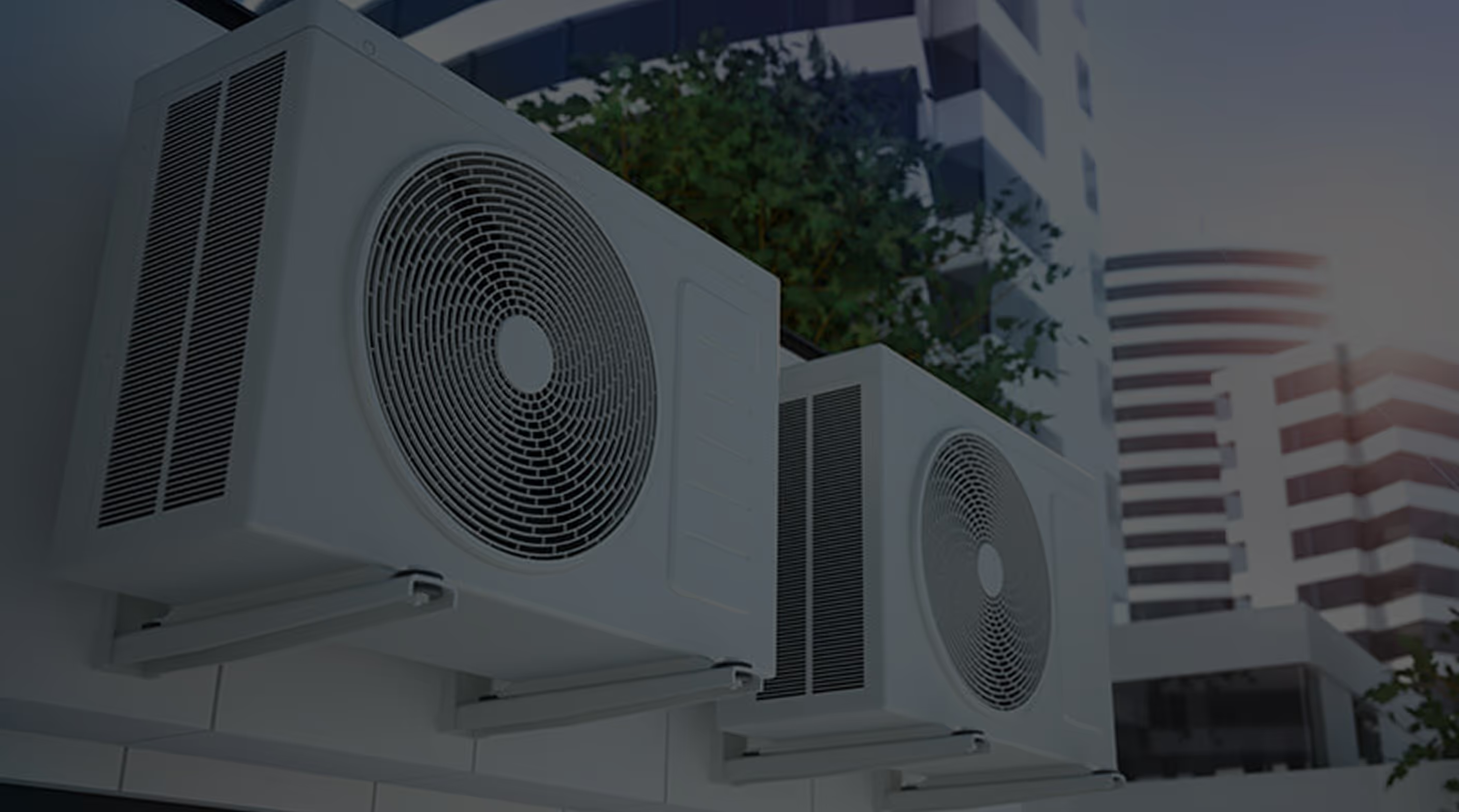
- Condenser coil and outdoor unit cleaning: Clear leaves, pollen, salt deposits, and debris to restore efficient outdoor heat rejection.
- Refrigerant level and leak check: Measure system charge and inspect for leaks; identify signs of low refrigerant that reduce cooling capacity.
- Electrical system inspection: Tighten connections, test capacitors, relays, contactors, and safety switches to prevent failures.
- Airflow and blower inspection: Measure airflow, inspect blower wheel, and ensure fan motor operation for consistent distribution.
- Thermostat calibration and controls check: Verify accurate temperature sensing, proper scheduling, and communication with the system.
- Condensate drain and pan cleaning: Clear clogs and treat pans to prevent overflow and mold growth.
- Lubrication of moving parts: When applicable, lubricate motors and bearings for quieter operation and longer life.
- Performance testing: Measure supply and return temperatures, monitor startup current, and evaluate overall system efficiency.
- Ductwork inspection: Visual check for obvious leaks, disconnected ducts, or excessive dust that reduce system performance.
Seasonal tune-up process: what to expect
A typical seasonal tune-up follows a consistent diagnostic flow so issues are found before they escalate.
- Review system history and any recent homeowner observations.
- Visually inspect indoor and outdoor units for damage or debris.
- Replace or clean air filters and inspect return grilles.
- Power on the system and observe startup sequence, listening for abnormal noises.
- Test electrical components and measure amperage and voltage to detect strain.
- Check refrigerant pressures and temperatures to confirm proper charge.
- Clean coils and condenser fins, straighten bent fins, and remove debris from around the outdoor unit.
- Inspect and clear condensate drains and pans.
- Calibrate thermostat and verify airflow through representative supply registers.
- Provide a written summary of findings, prioritized repairs, and recommended next steps.
This diagnostic-first approach means repairs are targeted, minimizing downtime during Redwood City heat events.
Service plans (what maintenance programs typically include)
Professional maintenance programs vary by provider but commonly include tiered options:
- Single seasonal tune-up: One complete inspection and service before the cooling season.
- Annual maintenance plan: At least one preventive visit per year with priority scheduling and a maintenance record to protect warranties.
- Bi-annual or winter/summer tune-up plans: Two visits timed before peak cooling and heating seasons for systems that also provide heat.
- Membership plans: Regular maintenance visits, discounts on parts and repairs, and priority service during peak demand.
Each plan generally documents work performed, safety checks, and recommendations. In Redwood City, scheduling a spring tune-up before the first hot days is particularly beneficial.
How regular maintenance extends system life and reduces costs
- Improved efficiency: Clean coils, proper refrigerant charge, and clear airflow allow the system to reach set temperatures using less energy.
- Fewer breakdowns: Tight electrical connections and replaced worn components prevent many common mid-season failures.
- Longer equipment life: Routine lubrication and balanced loading reduce wear on motors and compressors, extending system life.
- Preserved warranties: Many manufacturer warranties require documented maintenance for continued coverage.
- Better indoor air quality: Regular filter changes and coil cleaning reduce dust, allergens, and smoke residues circulating in the home.
Well-maintained systems operate more reliably during Redwood City heat spells and are less likely to require emergency repairs when you need cooling most.
Practical maintenance tips for Redwood City homeowners
- Schedule a tune-up in early spring before peak cooling demand.
- Replace disposable filters every 1 to 3 months depending on household pets, occupants, and air quality; replace sooner after wildfire smoke exposure.
- Keep at least 2 feet of clearance around the outdoor unit and occasionally hose off accumulated debris (power off first).
- Check for cooling performance changes or strange noises and document when they started.
- Use a programmable or smart thermostat to reduce run hours while maintaining comfort.
- Inspect attic and duct insulation to reduce load on the AC during warm months.
Regular preventive care pays off with lower energy bills, fewer emergency repairs, and more consistent comfort in Redwood City homes.
Summary — Protect comfort and performance with seasonal AC maintenance in Redwood City, CA
Routine air conditioning maintenance tailored to Redwood City conditions safeguards your home against heat-wave failures, salt and dust-related issues, and filter-clog related performance drops. A professional seasonal tune-up confirms proper refrigerant charge, cleans coils, checks electrical systems, and optimizes airflow so your system runs efficiently and lasts longer. Choose a maintenance plan that matches your home’s needs and schedule service before the cooling season to keep your household comfortable when temperatures rise.
hear what our satisfied clients have to say

.svg)
Service areas
.avif)