Heat Pump Services in Mountain View, CA
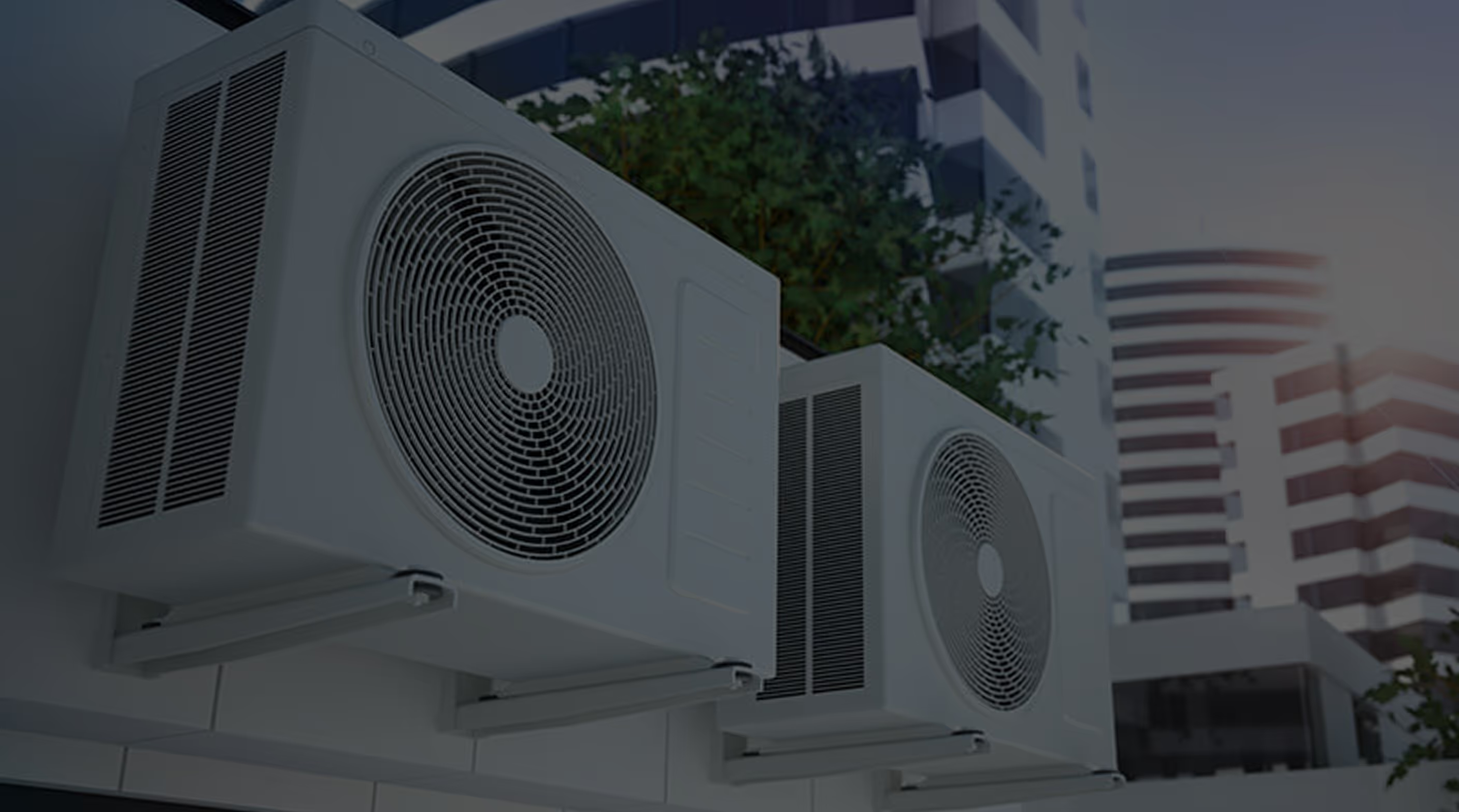
Mountain View homeowners, imagine year-round comfort and efficiency. At Plum HVAC, we're here to make that a reality with our complete heat pump services. We'll consult on gas-to-electric conversions, handle system sizing, and expertly install air-source and heat-pipe solutions. Beyond installation, we're here for repairs, troubleshooting, and ongoing maintenance, always with thorough post-installation testing. We’ll even guide you through incentives and provide transparent timelines and upfront pricing from assessment to commissioning, ensuring top performance and energy savings. Trust Plum HVAC for reliable, efficient comfort, backed by ongoing monitoring and homeowner education.
Heat Pump Services in Mountain View, CA
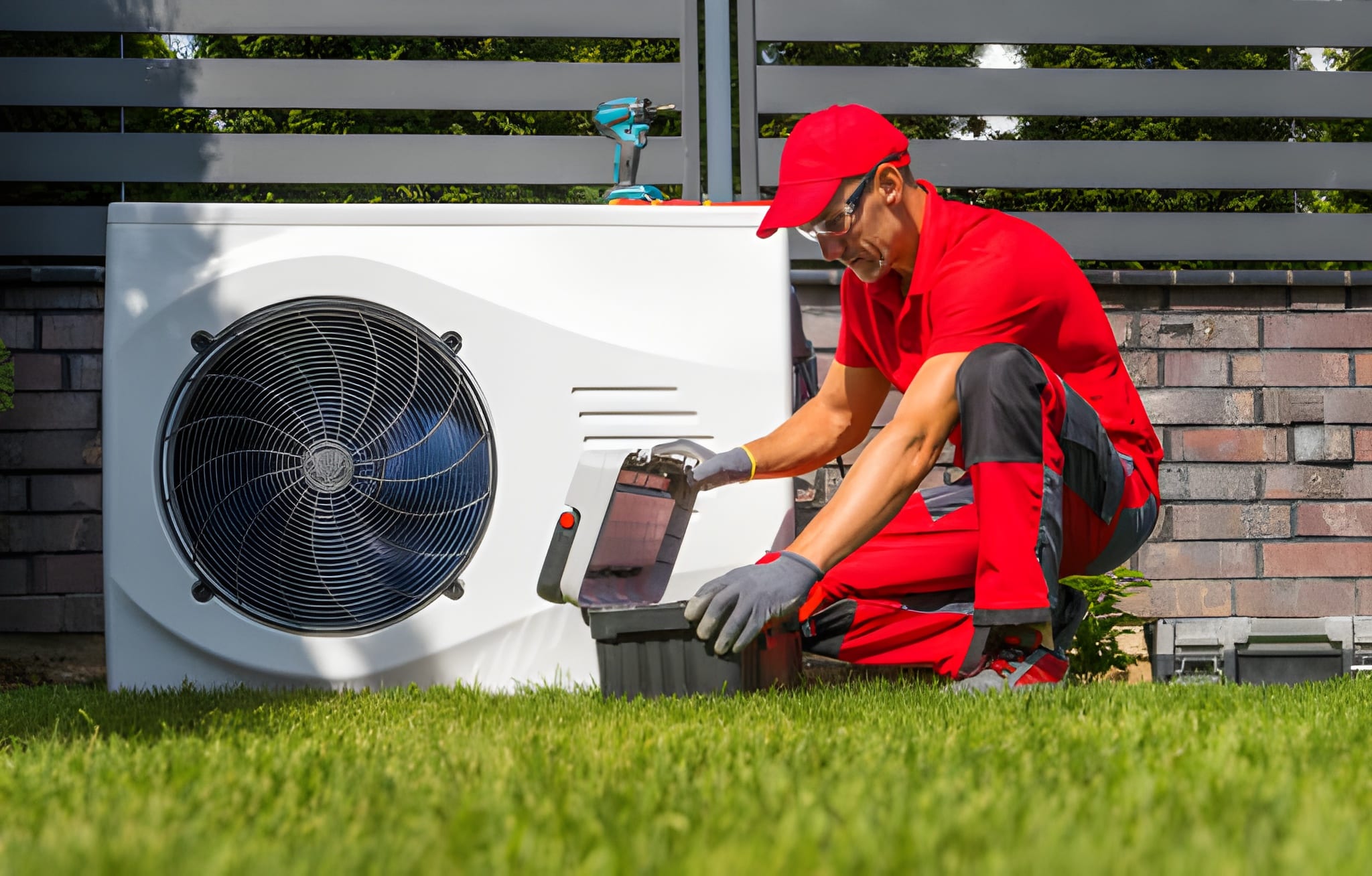
Converting to or maintaining a high-efficiency heat pump is one of the most practical ways Mountain View homeowners reduce energy use, improve year-round comfort, and eliminate dependence on on-site fossil fuels. Heat Pump Services in Mountain View, CA cover consultations for switching from gas to electric heating, system selection and sizing, professional installation of air-source and heat-pipe systems, repair and troubleshooting, ongoing maintenance plans, expected energy savings, available incentives, and post-installation testing and support. This page explains what each service includes, common local issues, and what to expect during the process.
Why switch to a heat pump in Mountain View
Mountain View has mild winters and warm summers, which makes heat pumps especially effective. Modern heat pumps provide efficient space heating during cooler months and cooling in summer with one system. For many homes, that means fewer systems to maintain and a lower carbon footprint without sacrificing comfort. Local electricity rates, decarbonized grid goals, and regional incentives also make conversion from gas to electric an attractive long-term choice.
Common heat pump services and issues in Mountain View
- Conversion consultations: Feasibility assessment for replacing gas furnaces or resistive electric heaters with heat pumps, including electrical capacity review and incentive eligibility.
- System selection and sizing: Proper sizing to match your home load and comfort goals; avoids undersizing or oversizing which cause short cycling and comfort problems.
- Professional installation: Ducted air-source, ductless mini-splits, and heat-pipe solutions installed to industry standards.
- Repair and troubleshooting: Diagnosis and repair of common problems like refrigerant leaks, compressor faults, thermostat and control issues, or airflow restrictions.
- Maintenance plans: Regular tune-ups to preserve efficiency and prolong equipment life.
- Post-installation testing and support: Commissioning, performance verification, and seasonal follow-up.
Consultation and converting from gas to electric
A conversion consultation begins with a site visit or detailed remote assessment to determine:
- Existing equipment and ductwork condition.
- Heating and cooling load using a Manual J style assessment.
- Electrical service capacity and any upgrades needed.
- Potential for ductless or ducted heat pump options.
- Local permit requirements and incentive opportunities.
Conversion steps typically include electrical panel evaluation, addressing or modifying ductwork, selecting an appropriately sized heat pump (measured in tons and based on heating/cooling load), planning backup or auxiliary heat if needed for rare cold snaps, and completing required permits and inspections. In Mountain View, modest winter temperatures often allow for right-sized heat pumps without extensive backup heating, but each home is different.
System selection and sizing
Correct sizing is key to long-term performance:
- Load calculations consider insulation, window area, orientation, and household occupancy.
- Efficiency ratings to consider: SEER for cooling performance, HSPF or HSPF2 and COP for heating performance.
- Choose a system with appropriate capacity and features for Mountain View climate such as strong low ambient performance and reliable defrost controls.
- Evaluate options: ducted central heat pumps, ductless mini-splits for room-by-room control, and heat-pipe or hybrid systems where applicable.
Professional installation and commissioning
Quality installation covers:
- Site preparation and placement of outdoor and indoor units for optimal airflow and noise control.
- Proper refrigerant handling, evacuation, and correct charge with EPA-compliant practices.
- Secure, insulated line sets and proper condensate drainage.
- Electrical connections with circuit protection and verification against code.
- Ductwork sealing, balancing, and airflow testing where applicable.
- Commissioning tests: measured airflow, superheat/subcooling checks, thermostat calibration, and a full system run-through to confirm design performance.
Repair and troubleshooting
Common symptoms and typical checks:
- Weak heating or cooling: Check refrigerant charge, airflow, reversing valve function, and compressor operation.
- Short cycling or frequent on/off: Verify correct sizing, refrigerant issues, control logic, and thermostat placement.
- Noisy operation: Inspect mounting, fan motors, compressor mount, and refrigerant flow noises.
- Frequent defrost or frost buildup: Diagnose defrost control, outdoor sensor placement, or refrigerant balance.
- Electrical faults: Test capacitors, contactors, breakers, and control boards.
Diagnosis follows a systematic approach: visual inspection, electrical testing, pressure and temperature measurements, and targeted repairs. Repairs are performed with manufacturer parts when available and documented for warranty and future maintenance.
Maintenance plans to preserve performance
Planned maintenance reduces unexpected failures and sustains efficiency:
- Biannual tune-ups timed for pre-winter and pre-summer operation.
- Filter replacement or cleaning, coil cleaning, and condensate drain inspection.
- Lubrication of moving parts, verification of refrigerant charge, and electrical safety checks.
- Controls and thermostat calibration, and airflow balancing.
- Seasonal performance reports to track efficiency and recommend improvements.
Regular maintenance can extend equipment life and maintain manufacturer warranty conditions.
Expected energy savings and performance
Savings depend on your current system and usage patterns. Typical outcomes for Mountain View homes:
- Replacing older gas furnaces or resistive electric heating with a modern heat pump often results in noticeable reductions in heating energy consumption. Many homeowners see significant year-over-year energy use improvement due to the heat pump’s higher efficiency and combined heating/cooling capability.
- Because heat pumps also replace separate cooling systems, total HVAC operational efficiency often improves across seasons.
- Exact savings vary with home size, insulation, thermostat behavior, and local electricity rates. A sizing and energy-use assessment during consultation clarifies potential savings for your household.
Incentives and rebates in the region
Federal, state, and local programs can offset installation costs and accelerate payback. Mountain View residents should evaluate:
- Federal tax incentives and credits available for qualifying heat pump installations.
- California state and Bay Area utility rebates and electrification incentives for residential heat pump adoption.
- Local municipality or county programs that support home electrification and energy efficiency upgrades.
An initial consultation includes guidance on typical incentive types and documentation commonly required for applications.
Post-installation testing and ongoing support
After installation, thorough testing and support ensure sustained performance:
- Commissioning checks to verify airflow, refrigerant charge, and electrical safety.
- Documentation of system settings, warranty registration recommendations, and operational training for homeowners.
- Options for remote monitoring or seasonal checks to detect performance drift.
- Structured maintenance schedules and troubleshooting support for the first year, including post-installation adjustments often needed once the system has settled.
ConclusionFor Mountain View homes, a properly designed and installed heat pump delivers efficient year-round comfort, simplifies HVAC systems, and supports local clean energy goals. From conversion consultations and precise sizing to professional installation, repair, and scheduled maintenance, comprehensive heat pump services ensure reliable performance and help maximize energy savings.
hear what our satisfied clients have to say

.svg)
Service areas
.avif)